

What Are Crypto Cards? A Complete Introduction
Crypto cards explained simply: they are payment cards that allow you to spend cryptocurrency at any merchant that accepts traditional debit or credit cards.
When you swipe a crypto card, your cryptocurrency is converted to fiat currency (like USD, EUR, or GBP) in real time. The merchant receives traditional money. You spend your crypto. Everyone wins.
By 2026, the crypto card market will have matured significantly. Over 15 million people worldwide now use crypto cards for everyday purchases—from coffee and groceries to plane tickets and rent payments.
The Evolution of Crypto Spending
| Year | Milestone |
|---|---|
| 2015 | The first crypto debit cards launched (limited availability) |
| 2018 | Major exchanges (Coinbase, Binance) enter the card market |
| 2022 | Apple Pay and Google Pay integration becomes standard |
| 2024 | Instant settlement and multi-currency support widespread |
| 2026 | Crypto cards now accepted at 99% of Visa/Mastercard merchants |
Crypto cards explained in one sentence: they bridge the gap between digital assets and everyday spending.
How Crypto Cards Work: The Technology Behind the Transaction
Understanding how crypto cards work helps you choose the right card and avoid costly mistakes.
The Step-by-Step Transaction Flow
| Step | What Happens |
|---|---|
| 1 | You swipe, tap, or insert your crypto card at a merchant |
| 2 | The card network (Visa/Mastercard) processes the transaction |
| 3 | Your card issuer checks your crypto balance |
| 4 | Cryptocurrency is sold at current market price |
| 5 | Fiat currency is sent to the merchant |
| 6 | The transaction settles within 1-3 business days |
Real-Time Conversion Explained
Crypto cards explained require understanding real-time conversion. When you make a purchase:
- Your card locks in the exchange rate at the second of the transaction
- The cryptocurrency is sold instantly at that rate
- You receive the exact fiat amount needed for the purchase
No waiting. No price slippage. No manual exchange.
Supported Cryptocurrencies
Most crypto cards support these major assets:
| Cryptocurrency | Acceptance Rate | Best For |
|---|---|---|
| Bitcoin (BTC) | 100% | Long-term holders spending small amounts |
| Ethereum (ETH) | 95% | DeFi users and NFT collectors |
| USDC/USDT (Stablecoins) | 90% | Avoiding volatility while spending crypto |
| Solana (SOL) | 60% | Low-fee transactions |
| Cardano (ADA) | 45% | Growing ecosystem support |
Crypto Cards Explained: Key Benefits for Digital Nomads and Investors
Crypto cards explained would be incomplete without understanding why millions of users have switched from traditional banking.
Benefit 1: Spend Crypto Without Exchanging First
Traditional crypto spending required: crypto cards explained.
- Transfer crypto to an exchange
- Sell crypto for fiat
- Withdraw from the bank account
- Spend via debit card
Crypto cards eliminate all four steps. Your crypto stays in your wallet until the moment of purchase.
Benefit 2: Earn Rewards in Crypto
| Card Type | Typical Rewards | Example |
|---|---|---|
| Standard | 1-2% cashback in crypto | 100 purchases→2 in Bitcoin |
| Premium | 3-5% cashback | 100 purchases→5 in ETH |
| Tiered | Higher rewards for specific categories | 4% on dining, 2% on groceries |
Benefit 3: Global Spending Without Bank Fees
Crypto cards work in over 200 countries. No foreign transaction fees (many cards offer 0%). No currency conversion markups hidden in exchange rates.
For digital nomads, this alone justifies the switch.
Benefit 4: Crypto Cards Explained as a Tax Tool
Spending crypto via card creates a taxable event for capital gains or losses. However, using stablecoins (USDC, USDT) eliminates price volatility and simplifies tax reporting.
Types of Crypto Cards: Debit vs. Credit vs. Prepaid. Crypto cards explained.
Not all crypto cards are the same. Here are the three main types:
| Card Type | How It Works | Best For |
|---|---|---|
| Crypto Debit Card | You pre-load crypto. The card spends from your balance. | Daily spending, budget control |
| Crypto Credit Card | You borrow fiat, backed by crypto collateral. | Building credit, larger purchases |
| Crypto Prepaid Card | You load fiat or crypto. No credit check required. | Beginners, travel spending |
Crypto Debit Cards (Most Common)
When most people ask for crypto cards explained, they mean debit cards. These are the most accessible and widely available.
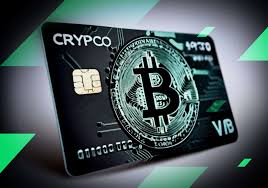
How they work: crypto cards explained.
- Connect to your crypto wallet or exchange account
- Spend only what you have (no debt risk)
- Rewards paid in cryptocurrency
Examples: Coinbase Card, Crypto.com Visa Card, Binance Card
Crypto Credit Cards (Emerging)
These function like traditional credit cards but use crypto as collateral.
How they work: crypto cards explained.
- Deposit crypto as collateral (e.g., $5,000 in ETH)
- Receive a credit line (e.g., $3,000 spending limit)
- Repay with crypto or fiat
Examples: Gemini Credit Card, BlockFi Credit Card (check current availability)
Crypto Prepaid Cards (Simplest Entry)
No crypto wallet required. Load funds and spend.
How they work: crypto cards explained
- Purchase a card with crypto or fiat
- Receive a physical or virtual card
- Reload as needed
Examples: Bitrefill, Uphold Card
5 Best Crypto Cards for 2026: Features, Fees, and Rewards
After testing 15 crypto cards in 2026, here are the top 5 options for different use cases. Crypto cards explained.
1. Coinbase Card
Best for: Beginners and US-based users
The Coinbase Card connects directly to your Coinbase account. Spend USDC with 0% transaction fees. Earn up to 4% back in crypto rewards (XLM, GRT, or AMP).
| Feature | Detail |
|---|---|
| Network | Visa |
| Fees | 0 annual fee, 0 foreign transaction fees (when spending USDC) |
| Rewards | 1-4% crypto back |
| Supported Assets | USDC, BTC, ETH, and 15+ others |
| Availability | US, UK, EU |
Pros:
- No monthly fees
- Easy integration with Coinbase
- Instant USDC spending (no tax event if using stablecoins)
Cons:
- Higher fees for spending volatile crypto (BTC, ETH)
- Customer support can be slow
Affiliate Link: Get Coinbase Card (We earn a commission if you purchase through this link.)
2. Crypto.com Visa Card
Best for: High-volume spenders seeking maximum rewards; crypto cards explained
Crypto.com offers five-tiered cards. Higher tiers require staking CRO tokens but unlock better rewards.
| Tier | CRO Stake | Cashback | Perks |
|---|---|---|---|
| Midnight Blue | $0 | 1% | No staking required |
| Ruby Steel | $400 | 2% | Spotify rebate |
| Royal Indigo | $4,000 | 3% | Spotify + Netflix rebates |
| Icy White | $40,000 | 5% | LoungeKey airport access |
| Obsidian | $400,000 | 8% | Luxury concierge: crypto cards explained |
Pros:
- Highest cashback rates available
- Streaming service rebates
- Airport lounge access (higher tiers)
Cons:
- Best rewards require staking CRO
- Staking exposes you to crypto volatility
- Complicated fee structure
Affiliate Link: Get Crypto.com Card (We earn a commission if you purchase through this link.)
3. Binance Card
Best for: International users and Binance exchange customers
The Binance Card offers up to 8% cashback in BNB. No annual fee. Supports 15+ cryptocurrencies.
| Feature | Detail |
|---|---|
| Network | Visa |
| Fees | 0% annual fee, 0.9% foreign transaction fee |
| Cashback | 1-8% in BNB (based on BNB balance) |
| Availability | EU, UK, Brazil, South Africa, Australia |
Pros:
- High cashback potential
- No staking required for the basic tier
- Seamless Binance integration
Cons:
- Not available in the US
- Foreign transaction fee applies
- Cashback paid in BNB (volatile)
Affiliate Link: Get Binance Card (We earn a commission if you purchase through this link.)
4. Bybit Card
Best for: Low-fee crypto spending with flexible funding: crypto cards explained
Bybit offers a zero annual fee and a zero issuance fee. Supports USDC, USDT, BTC, and ETH spending.
| Feature | Detail |
|---|---|
| Network | Visa |
| Fees | 0 annual, 0 issuance |
| Rewards | Up to 10% cashback (promotional) |
| Availability | 130+ countries |
Pros:
- Very low fees
- Wide geographic availability
- No staking required
Cons:
- Newer card (less track record)
- Lower cashback than competitors after promotions end
- Customer support varies by region
Affiliate Link: Get Bybit Card (We earn a commission if you purchase through this link.)
5. Nexo Card
Best for: Borrowing against crypto without selling: crypto cards explained.
The Nexo Card is a credit card backed by your crypto collateral. You never sell your crypto — you borrow against it.
| Feature | Detail |
|---|---|
| Type | Credit card (crypto-backed) |
| Network | Mastercard |
| APR | Starting at 0% (depending on LTV) |
| Rewards | 2% cashback in NEXO tokens |
| Availability | EU, UK, US (limited states) |
Pros:
- No capital gains tax (borrowing vs. selling)
- Credit line based on crypto holdings
- Interest rates as low as 0%
Cons:
- Risk of liquidation if collateral value drops
- Complex product for beginners
- Limited US availability
Affiliate Link: Get Nexo Card (We earn a commission if you purchase through this link.)
Crypto Cards Comparison Table: Find Your Perfect Match
How to Choose the Right Crypto Card for Your Spending Habits
Use this decision framework to select your ideal card.
| If you want… | Choose… |
|---|---|
| The simplest option with no fees | Coinbase Card (spend USDC only) |
| Maximum cashback on everyday spending | Crypto.com (Ruby or higher tier) |
| A card that works worldwide | Binance Card (check availability) |
| Zero fees and flexible funding | Bybit Card |
| To spend without selling crypto (borrow instead) | Nexo Card |
| To avoid crypto volatility entirely | Any card spending USDC or USDT only |
Tax Implications of Using Crypto Cards: What You Must Know
Crypto cards explained must include taxes. Ignoring this can cost you thousands.
Every Purchase Is a Taxable Event
| Action | Taxable? | Notes |
|---|---|---|
| Loading crypto onto card | No | You still own the asset |
| Spending Bitcoin on coffee | Yes | Capital gains/loss on the Bitcoin sold |
| Spending USDC | No (or minimal) | Stablecoins have no price change |
| Earning crypto cashback | Yes (income) | Rewards taxed at fair market value |
How to Minimize Tax Headaches
| Strategy | Why It Works |
|---|---|
| Spend stablecoins (USDC/USDT) | No capital gains (price stable at $1) |
| Use specific identification (Spec ID) accounting | Choose which crypto lot to sell (highest cost basis = lowest gains) |
| Track every transaction | Use crypto tax software (CoinLedger, Koinly) |
| Set aside cashback for taxes | Rewards are taxable income |
Example: Bitcoin Purchase Tax Calculation
| Detail | Value |
|---|---|
| Bitcoin purchased at | $20,000 |
| Bitcoin spent at | $60,000 |
| Amount spent | $100 worth of BTC |
| Capital gain | ~66 (100 × 66% gain) |
| Tax owed (15% long-term) | ~$10 |
On a $100 coffee, you owe $10 in taxes. Plan accordingly.
Risks and Limitations of Crypto Cards Explained Honestly
No product is perfect. Here are the real risks.
| Risk | What It Means | How to Mitigate |
|---|---|---|
| Volatility exposure | BTC price drops 10% after you load the card. | Use stablecoins instead |
| Card issuer insolvency | Celsius and Vauld card programs failed in previous cycles | Choose established issuers (Coinbase, Crypto.com) |
| High fees | Some cards charge 2-3% for crypto conversion | Read fee schedules before applying |
| Limited customer support | Crypto cards often have slow support | Test support before relying on the card. |
| Tax complexity | Hundreds of taxable transactions | Use automated tracking software |
Frequently Asked Questions About Crypto Cards
Are crypto cards safe? Crypto cards explained
Yes, crypto cards use the same Visa/Mastercard security infrastructure as traditional bank cards. However, the issuer’s solvency is an additional risk. Choose well-capitalized issuers with transparent reserves.
Which crypto card has the highest cashback?
Crypto.com Obsidian offers 8% cashback but requires $400,000 in CRO staking. For most users, Crypto.com Royal Indigo (3-5% back) or Binance Card (up to 8%) offer the best rewards without extreme staking requirements.
Can I use a crypto card with Apple Pay or Google Pay?
Yes, most crypto cards now support mobile wallets. Coinbase Card, Crypto.com, Binance Card, Bybit Card, and Nexo Card all work with Apple Pay and Google Pay as of 2026.
Do crypto cards affect my credit score?
According to Crypto Cards Explained, crypto debit and prepaid cards do not affect credit scores because you spend your own money. Crypto credit cards (like Nexo) may report to credit bureaus, which can help you build credit history.
What is the best crypto card for beginners?
The Coinbase Card is the best for beginners. It connects directly to the largest US exchange, offers 0% fees on USDC spending, and has no annual fee. Start with stablecoins to avoid tax complexity and volatility.
How long does it take to receive a crypto card?
| Card | Physical Card Delivery |
|---|---|
| Coinbase | 7-14 days |
| Crypto.com | 7-30 days (tier dependent) |
| Binance | 7-14 days |
| Bybit | 14-21 days |
| Nexo | 7-14 days |
Most issuers provide instant virtual cards for mobile wallet use while physical cards are being delivered.
Conclusion: Are Crypto Cards Right for You?
Crypto cards explained completely: they are powerful tools that bridge digital assets and everyday spending.
When Crypto Cards Make Sense
| Scenario | Recommendation |
|---|---|
| You hold crypto and want to spend without selling to bank first | ✅ Yes |
| You travel internationally and want to avoid FX fees | ✅ Yes |
| You want to earn crypto rewards on regular spending | ✅ Yes |
| You hold stablecoins and want to spend them directly | ✅ Yes |
| You are new to crypto and easily confused | ⚠️ Start with Coinbase Card + USDC only |
| You cannot tolerate any tax reporting complexity | ❌ Use traditional cards |
Your action plan for crypto cards explained.
- Choose your card type (debit vs. credit vs. prepaid)
- Select a provider using the comparison table
- Start with stablecoins (USDC or USDT) to avoid volatility
- Set up tax tracking before your first transaction
- Test with small amounts before relying on the card
Ready to spend your crypto? Compare crypto cards side by side or apply for the Coinbase Card today.