
Forex risk management is the single most important skill any trader can develop. Without it, even the most profitable strategy will eventually fail. With it, even a mediocre strategy can become consistently profitable.
Here is the hard truth that most beginners discover too late: forex risk management is not about avoiding losses—it is about controlling them. Professional traders understand that losses are inevitable. They accept them, learn from them, and move on. The difference between professionals and amateurs is not the number of winning trades. It is how they manage risk when they lose.
This comprehensive guide will teach you forex risk management with seven proven strategies that professional traders use to protect their capital. You will learn:
- How to calculate position sizing with precision
- Where to place stop-loss orders for maximum effectiveness
- How to use risk-reward ratios to stay profitable
- The psychology of trading and how to master it
- Common risk management mistakes and how to avoid them
By the end, you will understand forex risk management well enough to protect your account and trade with confidence.
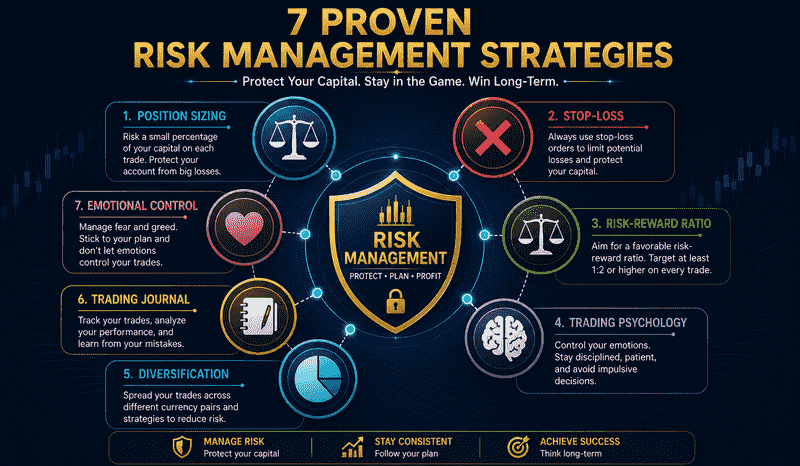
Figure 1: Forex risk management—7 proven strategies to protect your capital
What Is Forex Risk Management?
Forex risk management is the process of identifying, assessing, and controlling potential losses in your trading account. It is the discipline that separates successful traders from those who blow up their accounts.
🎯 Real-World Analogy: Think of forex risk management like driving a car. You don’t drive without a seatbelt, airbags, and brakes. Risk management is your seatbelt—it doesn’t prevent accidents, but it protects you when they happen. Similarly, forex risk management doesn’t prevent losing trades, but it ensures those losses don’t destroy your account.
The Golden Rule of Forex Risk Management
Never risk more than 1-2% of your trading account on any single trade.
This is the most important rule in forex risk management. If you follow this rule, you can survive a series of losing trades and still have enough capital to continue trading.
| Account Size | 1% Risk | 2% Risk |
|---|---|---|
| $500 | $5 | $10 |
| $1,000 | $10 | $20 |
| $5,000 | $50 | $100 |
| $10,000 | $100 | $200 |
| $50,000 | $500 | $1,000 |
🟦 Blue Highlight: The 1% rule is the foundation of forex risk management. It ensures that no single trade can wipe out your account, giving you the staying power to weather inevitable losses.
Strategy #1: Position Sizing — The Foundation of Forex Risk Management
Position sizing is the most critical component of forex risk management. It determines how much of your capital you are risking on each trade. Getting this right is essential for long-term survival.
The Position Sizing Formula
Position Size = (Risk Amount ÷ Stop Loss Distance) × Pip Value
Let’s break this down step by step.
🧮 Position Sizing Calculation
Scenario: You have a $10,000 account. You want to risk 1% per trade. Your stop-loss is 50 pips on EUR/USD.
Step 1: Calculate your risk amount
- 1% of $10,000 = **$100** (This is the maximum you can lose on this trade)
Step 2: Determine your stop-loss in pips
- Stop-loss = 50 pips
Step 3: Calculate pip value for your chosen lot size
- 1 standard lot = $10 per pip
- 1 mini lot = $1 per pip
- 1 micro lot = $0.10 per pip
- 1 nano lot = $0.01 per pip
Step 4: Calculate the required pip value
- Risk per pip = $100 ÷ 50 pips = **$2.00 per pip**
Step 5: Determine the lot size
- Since 1 mini lot = $1 per pip, you need 2 mini lots (0.2 lots)
✅ Result: Your position size should be 0.2 lots (2 mini lots).
📊 Table: Position Sizing Examples
| Account Size | Risk % | Risk $ | Stop Loss (Pips) | Pip Value Needed | Position Size |
|---|---|---|---|---|---|
| $1,000 | 1% | $10 | 50 pips | $0.20 | 0.02 lots |
| $1,000 | 1% | $10 | 100 pips | $0.10 | 0.01 lots |
| $5,000 | 1% | $50 | 50 pips | $1.00 | 0.10 lots |
| $5,000 | 1% | $50 | 30 pips | $1.67 | 0.17 lots |
| $10,000 | 1% | $100 | 50 pips | $2.00 | 0.20 lots |
| $10,000 | 1% | $100 | 30 pips | $3.33 | 0.33 lots |
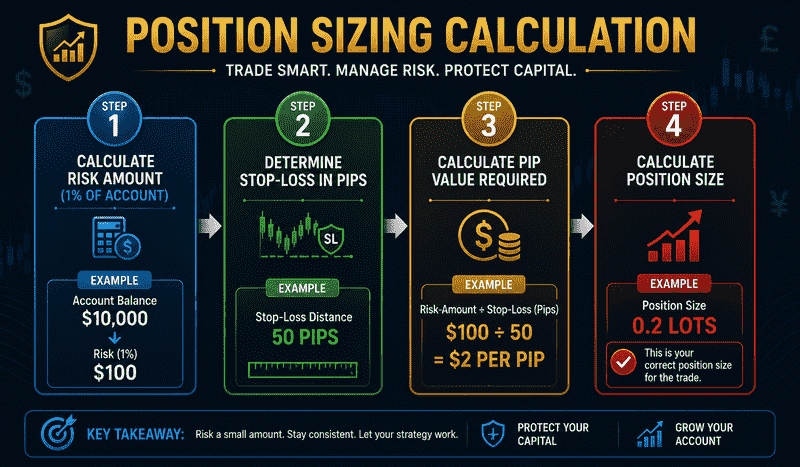
Figure 2: Position sizing formula — the foundation of forex risk management
Strategy #2: Stop-Loss Placement — Your Safety Net
A stop-loss is a pre-set order that automatically closes your trade if the market moves against you. It is the most essential tool in forex risk management.
Types of Stop-Loss Orders
| Type | Definition | Best Used For |
|---|---|---|
| Fixed Stop-Loss | Set at a specific price level | All trades |
| Trailing Stop-Loss | Moves with the price in your favor | Trending markets |
| Volatility-Based Stop-Loss | Based on average true range | Volatile markets |
| Time-Based Stop-Loss | Closes after a set time | Day trading |
Where to Place Your Stop-Loss
| Placement Method | How It Works | Example |
|---|---|---|
| Below Support | Place just below key support level | Support at 1.1000 → Stop at 1.0980 |
| Above Resistance | Place just above key resistance level | Resistance at 1.1100 → Stop at 1.1120 |
| Volatility-Based | Use ATR (Average True Range) | ATR = 50 pips → Stop at 2× ATR = 100 pips |
| Fixed Distance | Same distance for every trade | Always 30 pips regardless of the market |
🎯 Real-World Example
Scenario: You buy EUR/USD at 1.1050. You want to place your stop-loss.
Option 1 (Support-Based):
- Support level at 1.1000
- Place stop-loss at 1.0980 (20 pips below support)
- Risk: 70 pips
Option 2 (Volatility-Based):
- ATR (Average True Range) = 40 pips
- Place stop-loss at 2 × ATR = 80 pips
- Risk: 80 pips
Option 3 (Fixed Distance):
- Place stop-loss at 30 pips below entry
- Stop-loss at 1.1020
- Risk: 30 pips
🟦 Blue Highlight: In forex risk management, the stop-loss placement method you choose should match your trading strategy. Swing traders may use support-based stops, while day traders often use fixed-distance stops.
Strategy #3: Risk-Reward Ratio — The Key to Profitability
The risk-reward ratio (R:R) compares the potential profit of a trade to the potential loss. It is a critical concept in forex risk management because it determines how profitable you can be even with a low win rate.
📊 Table: Break-Even Win Rates by Risk-Reward Ratio
| Risk-Reward Ratio | Break-Even Win Rate | Minimum Profit Win Rate |
|---|---|---|
| 1:1 | 50% | 50%+ |
| 1:1.5 | 40% | 40%+ |
| 1:2 | 33% | 33%+ |
| 1:2.5 | 28.5% | 28.5%+ |
| 1:3 | 25% | 25%+ |
| 1:4 | 20% | 20%+ |
🧮 Risk-Reward Calculation
Scenario: You have a 50-pip stop-loss and a 100-pip take-profit.
Step 1: Calculate the risk in pips
- Risk = 50 pips
Step 2: Calculate the reward in pips
- Reward = 100 pips
Step 3: Calculate the risk-reward ratio
- R:R = Risk ÷ Reward = 50 ÷ 100 = 1:2
Step 4: Determine the break-even win rate
- Break-even win rate = 1 ÷ (1 + R:R) = 1 ÷ (1 + 2) = 1 ÷ 3 = 33.3%
✅ Result: With a 1:2 risk-reward ratio, you only need to win 33% of your trades to break even. This is why professional traders focus on risk-reward ratio rather than win rate.
🔴 Red Highlight: Many beginners focus on having a high win rate (70%+). But in forex risk management, a trader with a 40% win rate and a 1:3 risk-reward ratio will be far more profitable than a trader with a 70% win rate and a 1:1 ratio. Always prioritize risk-reward over win rate.
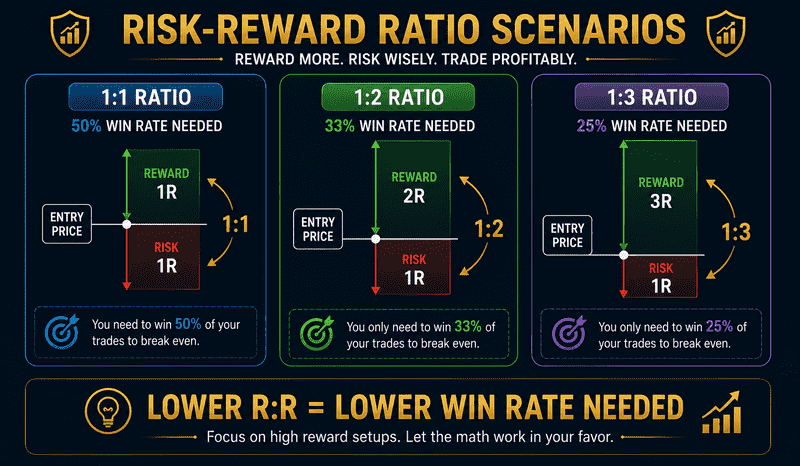
Figure 3: Risk-reward ratio — the key to consistent forex profitability
Strategy #4: Diversification — Spreading Your Risk
Diversification is an often-overlooked aspect of forex risk management. It involves spreading your trading across different currency pairs, timeframes, and strategies to reduce overall risk.
Types of Diversification
| Type | Description | Example |
|---|---|---|
| Currency Diversification | Trade different currency pairs | EUR/USD, GBP/JPY, AUD/NZD |
| Strategy Diversification | Use different trading strategies | Trend following and mean reversion |
| Timeframe Diversification | Trade different timeframes | Day trading + Swing trading |
| Correlation Diversification | Trade uncorrelated pairs | EUR/USD + USD/CHF (correlated) = bad |
📊 Table: Currency Pair Correlations
| Pair 1 | Pair 2 | Correlation | Diversification Effect |
|---|---|---|---|
| EUR/USD | GBP/USD | ✅ High Positive (+85%) | ❌ Poor |
| EUR/USD | USD/CHF | ❌ High Negative (-90%) | ❌ Poor |
| EUR/USD | USD/JPY | ⚠️ Moderate Negative (-50%) | ✅ Good |
| EUR/USD | AUD/USD | ⚠️ Moderate Positive (+65%) | ⚠️ Moderate |
| EUR/USD | GBP/JPY | ⚠️ Moderate Positive (+60%) | ⚠️ Moderate |
| EUR/USD | USD/CAD | ⚠️ Moderate Negative (-55%) | ✅ Good |
🟦 Blue Highlight: In forex risk management, diversification means not having all your risk concentrated in one currency pair or one strategy. If you trade correlated pairs, you are essentially doubling your risk.
Strategy #5: Trading Psychology — Managing Your Emotions
Trading psychology is the most underrated aspect of forex risk management. Your emotions—fear, greed, hope, and regret—can destroy your account faster than any losing trade.
Common Psychological Biases
| Bias | Description | Impact on Trading |
|---|---|---|
| Loss Aversion | Fear of losses leads to poor decisions | Holding losing trades too long |
| Overconfidence | Past success leads to excessive risk | Taking oversized positions |
| Revenge Trading | Chasing losses to “get even” | Doubling down on losing trades |
| FOMO (Fear of Missing Out) | Jumping into trades late | Buying tops and selling bottoms |
| Anchoring | Fixating on a specific price | Refusing to cut losses |
🎯 Real-World Example: Revenge Trading
Scenario: You lose $200 on a trade. Your emotions take over.
Step 1: The Loss
- You feel frustrated and angry
- You want to “get your money back.”
Step 2: The Revenge Trade
- You double your position size (from 0.2 to 0.4 lots)
- You ignore your normal risk management rules
- You enter a trade without a proper setup
Step 3: The Result
- The trade moves against you
- You lose another $400
- Your account is now down $600
✅ The Solution: In forex risk management, after a loss, you should step away from the screen. Take a break. Clear your head. Return when you are calm and can think clearly.
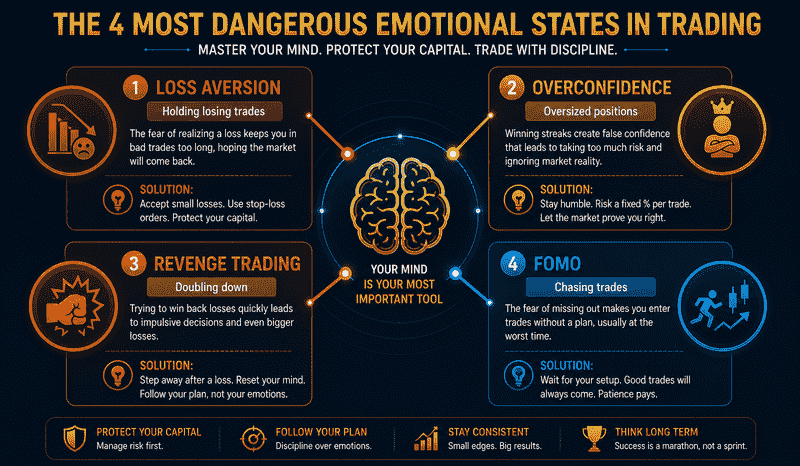
Figure 4: Trading psychology—mastering your emotions is essential for effective forex risk management
Strategy #6: Keep a Trading Journal
A trading journal is one of the most powerful tools in forex risk management. It is a record of every trade you take, including the reasons for entry, the outcome, and the lessons learned.
What to Record in Your Trading Journal
| Field | Why It Matters |
|---|---|
| Date & Time | Track your trading patterns |
| Currency Pair | Identify your best-performing pairs |
| Trade Direction | Buy or sell |
| Entry Price | The price you entered at |
| Exit Price | The price you exited at |
| Stop-Loss Level | Where you placed your stop-loss |
| Take-Profit Level | Where you placed your take-profit |
| Position Size | The lot size you used |
| Profit/Loss | The final outcome |
| Reason for Trade | Why you entered |
| Emotional State | How you felt during the trade |
| Lessons Learned | What you will do differently |
🎯 Real-World Example: Journal Entry
Date: 2026-07-15
Pair: EUR/USD
Direction: Buy
Entry: 1.1050
Exit: 1.1070 (Take-Profit hit)
Stop-Loss: 1.1020
Position Size: 0.1 mini-lots
Profit: +$20
Reason: Breakout above resistance with RSI confirmation
Emotional State: Calm, confident
Lesson: My breakout strategy worked well. Continue to trust my analysis.
🔴 Red Highlight: In forex risk management, if you don’t track your trades, you can’t learn from them. A trading journal turns your trading experience into a powerful learning tool.
Strategy #7: Emotional Control and Discipline
Emotional control is the most difficult aspect of forex risk management. It requires discipline, patience, and the ability to follow your trading rules even when your emotions are telling you otherwise.
Rules for Emotional Control
| Rule | Why It Matters |
|---|---|
| Take Breaks | Prevents emotional decision-making |
| Stick to Your Plan | Removes impulsive decisions |
| Accept Losses | Losses are part of trading |
| Don’t Chase Trades | Avoids buying tops and selling bottoms |
| Stay Consistent | Builds discipline over time |
| Review Your Trades | Learn from both wins and losses |
🎯 Real-World Analogy: Emotional control in forex risk management is like a pilot following a checklist. A pilot doesn’t make decisions based on emotions—they follow the procedures. Similarly, a successful trader follows their trading plan regardless of emotional state.
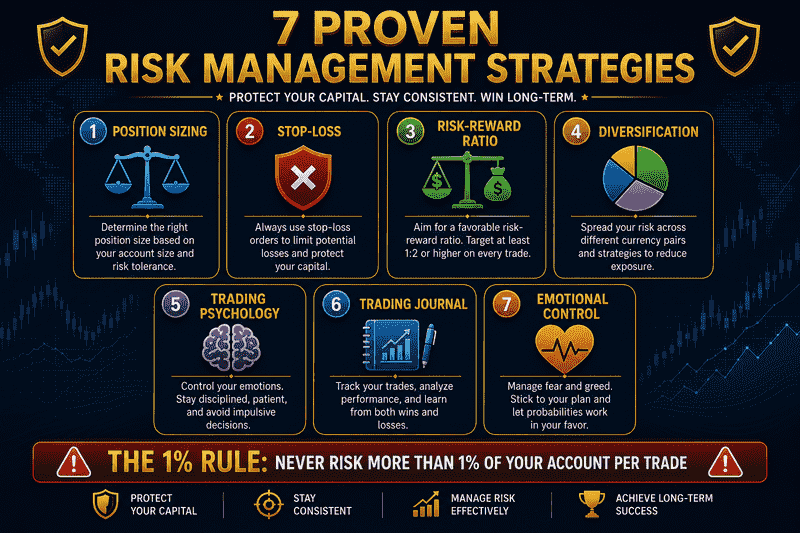
Figure 5: Forex risk management — 7 proven strategies to protect your capital
Common Risk Management Mistakes to Avoid
| Mistake | Why It’s Dangerous | How to Fix |
|---|---|---|
| Risking too much per trade | One loss can wipe out your account | Risk 1-2% maximum |
| Not using stop-loss | Losses can spiral out of control | Always use a stop-loss |
| Moving the stop-loss further away | Turns small losses into big ones | Stick to your original stop loss. |
| Using too much leverage | Amplifies both gains and losses | Use 1:5 to 1:10 maximum |
| Revenge trading | Chasing losses leads to bigger losses | Step away after a loss |
| No trading plan | Inconsistent decision-making | Create and follow a plan |
| Ignoring correlations | Doubling risk without knowing it | Check pair correlations |
Conclusion: Master Forex Risk Management
Forex risk management is not optional. It is the foundation of every successful trading career. Without it, even the best strategy will fail. With it, even a mediocre strategy can become consistently profitable.
Key Takeaways:
- The 1% Rule is non-negotiable—never risk more than 1% of your account per trade
- Position sizing is essential—calculate your position size before every trade
- Always use a stop-loss—It is your most important risk management tool
- Risk-reward ratio matters more than win rate—Focus on R: R, not win rate
- Diversification reduces risk—Trade different pairs, timeframes, and strategies
- Trading psychology is critical—control your emotions, or they will control you
- A trading journal is your best teacher—record, review, and learn from every trade
🎯 Final Thought: The goal of forex risk management is not to avoid losses. It is to survive long enough to let your profitable trades outnumber your losing ones. Master these 7 proven strategies, and you will protect your capital, build confidence, and trade with discipline.
FAQ
1. What is the 1% rule in forex?
The 1% rule means you never risk more than 1% of your trading account on any single trade. With a $10,000 account, your maximum loss per trade is $100.
2. How do I calculate position size?
Position Size = (Risk Amount ÷ Stop-Loss Distance) × Pip Value. For example, with $10,000 risking 1% ($100), a 50-pip stop-loss, and $2 per pip, your position size is 0.2 lots.
3. What is a good risk-reward ratio?
A minimum of 1:2 is recommended. This means you risk $1 to make $2. With a 1:2 ratio, you only need a 33% win rate to break even.
4. Where should I place my stop-loss?
Place your stop-loss below support levels (for long trades) or above resistance levels (for short trades). You can also use volatility-based stops using the ATR indicator.
5. How much leverage should I use?
Beginners should use a 1:5 to 1:10 leverage maximum. Higher leverage amplifies both profits and losses and can quickly blow up your account.
6. How can I control my emotions while trading?
Use a trading plan, take breaks after losses, stick to your risk management rules, and keep a trading journal to track your emotional patterns.
7. Why is a trading journal important?
A trading journal helps you identify patterns in your trading, learn from your mistakes, and improve your decision-making over time.
Further Reading
To deepen your understanding of forex trading, we recommend exploring these additional resources from Finwirestack:
- 7 Proven Steps to Start Trading Forex: Beginner’s Guide — Learn how to choose a broker, open an account, and place your first trade.
- Essential Forex Trading Terminology: Ultimate Guide — Master the language of forex with 100+ terms explained with real examples.
- Technical vs Fundamental Analysis: Which Strategy Wins? — Discover which trading approach suits your personality.
- Central Banks & Forex: 5 Powerful Ways They Move Markets — Understand how the Fed, ECB, and BoJ move the markets.
External Resources (DoFollow Links)
- Investopedia: Risk Management — Comprehensive guide to risk management in trading.
- BabyPips: Risk Management — Beginner-friendly risk management education.
- DailyFX: Risk Management — Advanced risk management strategies.
- FXStreet: Risk Management — Practical risk management tips for traders.
Disclaimer: Trading forex and CFDs involves significant risk of loss. It is not suitable for all investors. You should carefully consider your investment objectives, level of experience, and risk appetite before trading. Never trade with money you cannot afford to lose. The information provided in this article is for educational purposes only and does not constitute financial advice.





[…] Risk Management Mastery: 7 Proven Strategies—Master position sizing, stop-loss strategies, and trading psychology, making “how to read forex charts” easy […]
[…] Risk Management Mastery: 7 Proven Strategies — Master position sizing, stop-loss strategies, and trading psychology in relation to how to trade forex news. […]
[…] Risk Management Mastery: 7 Proven Strategies — Master position sizing, stop-loss strategies, and trading psychology. […]
[…] Article Link: 7 Proven Steps to Start Trading Forex […]
[…] Risk Management Mastery: 7 Proven Strategies — Master position sizing, stop-loss strategies, and trading psychology. […]
[…] The Complete Guide to Forex Risk Management […]
[…] alert the trader.For traders who want to strengthen their foundation first, FinWireStack’s Forex risk management guide explains position sizing, stop-loss placement, risk-reward ratios, and trading […]
[…] of capital on individual trades may eventually experience a major drawdown. This is where FinWireStack’s Risk Management Mastery: 7 Proven Strategies can complement your copy-trading research. Risk Management Mastery: 7 Proven Strategies. The same […]
[…] That is why understanding risk management remains essential. Risk Management Mastery: 7 Proven Strategies provides a useful foundation for understanding position… […]