Category Forex Education

Algorithmic Trading in 2027: 11 Powerful Ways Beginners Can Use Automation Safely

Algorithmic trading in 2027 with automated trading technology

Algorithmic trading is no longer something reserved exclusively for investment banks, hedge funds, and high-frequency trading firms.

Technology has made algorithmic trading increasingly accessible to retail traders through automated trading platforms, expert advisors, trading bots, APIs, and AI-powered financial tools.

That creates an exciting opportunity.

It also creates a serious problem.

Many new traders believe that algorithmic trading means they can switch on a bot, deposit money, and allow software to generate profits automatically.

That assumption can be extremely dangerous.

Algorithmic trading does not eliminate trading risk.

It changes how decisions are made, how orders are executed, and how quickly mistakes can spread.

The International Monetary Fund reports that algorithmic trading is becoming increasingly significant in capital markets and that artificial intelligence is expected to influence its further development. The IMF also highlights risks involving data, performance, cybersecurity, leverage, and financial stability.

The opportunity, therefore, is not simply to automate everything.

The smarter objective for beginners is to understand algorithmic trading, test it carefully, and maintain appropriate human control.


What Is Algorithmic Trading?

how algorithmic trading works from market data to trade execution

Algorithmic trading uses computer programs and predefined rules to analyze markets and execute trading decisions.

Instead of manually watching a chart and deciding when to enter or exit, a trader can create rules such as:

  • Enter when two moving averages cross.
  • Exit when volatility reaches a predetermined level.
  • Risk no more than 1% of available capital.
  • Stop trading after a specified drawdown.
  • Close a position when a particular indicator reverses.

The software then follows those rules automatically.

The IMF defines algorithmic trading as a subset of electronic trading that uses rule-based mathematical models for activities such as execution, market making, and directional or relative-value strategies.

This distinction is important.

Algorithmic trading is not automatically the same thing as artificial intelligence.

A simple Expert Advisor using fixed rules can be algorithmic trading.

A machine-learning system that changes its predictions based on data can also be part of algorithmic trading.


Algorithmic Trading vs. AI Trading

The two terms are often used interchangeably, but they are not identical.

Algorithmic Trading

Traditional algorithmic trading generally follows predefined instructions.

For example:

If the 9 EMA crosses above the 20 SMA, and the RSI, is above 50, open a BUY position.

The rules are predetermined.

AI Trading

AI trading can use machine learning, language models, or other adaptive techniques to identify patterns and generate predictions.

The system may analyze:

  • Historical prices
  • Market sentiment
  • News
  • Economic data
  • Volatility
  • Correlations
  • Alternative datasets

Modern financial markets are increasingly combining both approaches. The IMF notes that AI is influencing trading, portfolio management, risk management, and other parts of the investment process.

For beginners, the important lesson is simple:

You do not need sophisticated AI to begin learning algorithmic trading.

A transparent rule-based system is often easier to understand, test, and control.


11 Powerful Ways Beginners Can Use Algorithmic Trading Safely

1. Start With a Simple Trading Strategy

The first rule of algorithmic trading should be simplicity.

Do not begin with a system containing 15 indicators, seven filters, three AI models, and dozens of parameters.

You need to understand exactly why the system enters and exits trades.

A simple strategy might use:

  • Moving averages
  • RSI
  • Support and resistance
  • ATR
  • Price action
  • Volatility filters

The objective is not to create the most complicated algorithmic trading system.

The objective is to create a system whose behavior you understand.

Why Simplicity Matters

A complicated strategy can produce impressive backtest results while hiding serious weaknesses.

For example, a system might appear profitable because it has been optimized excessively for one historical period.

That leads directly to one of the biggest problems in algorithmic trading:

overfitting.


2. Define Your Trading Rules Before Automating

Never automate a strategy that you cannot clearly explain manually.

Write down:

Entry

What causes the trade?

Exit

What causes the position to close?

Stop-loss

Where is the trade considered invalid?

Take-profit

Where will profits be taken?

Position sizing

How much capital is exposed?

Trading hours

When is the strategy allowed to operate?

Maximum drawdown

When must the system stop?

These rules form the foundation of responsible algorithmic trading.

If you cannot explain your strategy on paper, you probably should not automate it.


3. Backtest Before Using Real Money

Backtesting is one of the most important stages of algorithmic trading.

A backtest applies your trading rules to historical market data.

It allows you to examine:

  • Number of trades
  • Win rate
  • Average profit
  • Average loss
  • Maximum drawdown
  • Profit factor
  • Consecutive losses
  • Strategy stability

However, a successful backtest does not guarantee future profits.

Why Backtesting Can Mislead Traders

Historical markets are not identical to future markets.

A strategy can perform extremely well during one market regime and poorly during another.

For example, a trend-following strategy may perform well during a strong directional market but struggle during prolonged sideways conditions.

Therefore, algorithmic trading should never be evaluated solely on the biggest historical return.

Look at risk-adjusted performance and robustness.


4. Use Forward Testing

After backtesting, your next step should be forward testing.

Forward testing means running the strategy on current market conditions without immediately risking substantial capital.

This can involve:

  • Demo accounts
  • Paper trading
  • Small experimental positions
  • Simulated execution

Forward testing helps reveal issues that historical testing may not show.

These include:

  • Slippage
  • Spread changes
  • Execution delays
  • Broker restrictions
  • Platform failures
  • Data differences

This is particularly important because real-world algorithmic trading depends not only on strategy logic, but also on technology and execution infrastructure.


5. Automate Risk Management

This may be the most valuable use of algorithmic trading for beginners.

Instead of using automation only to find entries, you can use it to enforce discipline.

For example, your system could automatically:

  • Limit risk per position
  • Set stop-losses
  • Limit daily losses
  • Stop trading after consecutive losses
  • Reduce position size during high volatility
  • Prevent excessive simultaneous positions

This can help address one of the biggest problems facing retail traders:

emotional decision-making.

A trader might ignore a risk limit after losing several positions.

An appropriately designed automated system does not need to become angry,frightened or desperate to recover losses.


6. Avoid Over-Leveraging Your Algorithm

Automation can make traders overconfident.

A trader may think:

โ€œThe system has tested well, so I can increase the lot size.โ€

This is one of the fastest ways to turn algorithmic trading into excessive speculation.

Leverage magnifies both profits and losses.

A strategy that experiences a 10% drawdown at one position size can create a much larger financial problem if the trader increases exposure aggressively.

The Better Approach

Start small.

Measure performance.

Understand drawdown.

Then determine whether additional exposure is justified.

Never increase risk simply because a backtest looks attractive.


7. Test the Strategy Across Different Market Conditions

Good algorithmic trading systems should not be judged from a single market environment.

Test your strategy during:

  • Bull markets
  • Bear markets
  • Sideways markets
  • High-volatility periods
  • Low-volatility periods
  • Major economic announcements
  • Unexpected market shocks

A strategy that works only under one condition may not be robust.

Test Different Instruments

If you trade Forex, test different currency pairs.

If you trade crypto, test different assets.

If you trade indices, test multiple indices.

However, you should not assume that a strategy that works on EUR/USD will automatically work on XAU/USD, BTC/USD, or synthetic indices.

Every market has different characteristics.


8. Monitor Your Algorithmic Trading System

Automation does not mean abandoning your computer and checking the account six months later.

You should monitor:

  • Trade execution
  • Open positions
  • Drawdown
  • System errors
  • Connection failures
  • Broker responses
  • Unexpected trades
  • Abnormal performance

The SEC has previously highlighted the potential for automated trading systems to generate rapid and cascading problems when something goes wrong.

More recent financial-market disclosures also continue to identify system failures, design defects, cybersecurity issues, and errors in automated and algorithmic systems as material risks.

The lesson is clear:

Automation requires supervision.


9. Protect Your Trading Account From Technical Failures

A profitable strategy is useless if the technology supporting it fails.

Potential problems include:

  • Internet interruptions
  • VPS failures
  • Broker server problems
  • API errors
  • Platform crashes
  • Incorrect price feeds
  • Software bugs
  • Power interruptions

This is why serious algorithmic trading requires operational planning.

Consider a VPS.

A Virtual Private Server can keep automated trading software running even when your personal computer is switched off.

But a VPS does not make a trading strategy safer.

It simply improves availability.

You still need:

Strategy + risk controls + monitoring + reliable infrastructure.


10. Watch for Overfitting

Overfitting is one of the most dangerous concepts in algorithmic trading.

Imagine you test a strategy and discover that:

  • RSI should be 47
  • Moving average should be 13
  • Stop-loss should be 37 pips
  • Take-profit should be 83 pips
  • Trading should begin at 07:17
  • Trading should stop at 14:42

You then optimize dozens of parameters until the historical results become spectacular.

The problem?

You may have designed a strategy specifically for the past.

The Out-of-Sample Test

One useful approach is to separate your historical data.

Use one portion for developing the strategy.

Use another portion to test it without changing the rules.

This helps determine whether the system has learned a broader market relationship or simply memorized historical noise.


11. Keep a Human in Control

The future of algorithmic trading does not necessarily require humans to disappear from the process.

In fact, human oversight can be one of the most important safety mechanisms.

A sensible structure could be

Human: defines strategy.

Algorithm: monitors market.

Algorithm: identifies predefined setups.

Human: reviews unusual conditions.

Algorithm: executes approved rules.

Algorithm: manages predefined risk.

Human: reviews performance.

This hybrid approach also fits the direction of modern financial technology.

The IMF says AI can improve efficiency and automate financial processes, but it also identifies risks involving performance, data, cybersecurity, and broader financial stability.


The Most Useful Algorithmic Trading Strategies for Beginners

Not every strategy is equally suitable for automation.

Trend-Following

Trend-following systems attempt to participate in sustained price movements.

Common tools include;

  • Moving averages
  • ADX
  • Breakouts
  • Donchian channels

Trend-following can be relatively straightforward to translate into algorithmic rules.

Mean Reversion

Mean-reversion strategies assume that price may return toward a historical average after moving unusually far away.

Common tools include;

  • Bollinger Bands
  • RSI
  • Statistical deviations
  • Moving averages

These systems can struggle when markets enter strong trends.

Momentum

Momentum strategies attempt to identify assets showing persistent directional strength.

Breakout Trading

Breakout algorithms monitor price levels and attempt to participate when price moves beyond predefined ranges.

Execution Algorithms

Not every algorithm tries to predict direction.

Some are designed primarily to execute large orders efficiently.

The IMF identifies approaches such as TWAP and VWAP as examples of execution algorithms designed to manage order execution and reduce market impact.


Algorithmic Trading for Forex Beginners

Forex is one of the markets where retail algorithmic trading is particularly accessible.

Platforms such as MetaTrader allow traders to build or deploy Expert Advisors.

A basic Forex algorithm might combine:

  • Moving-average direction
  • RSI confirmation
  • ATR-based stop-loss
  • Risk-per-trade calculation
  • Trading-session filter

The important point is that automation should follow a tested trading plan.

Do not buy an Expert Advisor simply because its sales page displays a dramatic equity curve.

If you are new to automated systems, read AI Trading Bots: 11 Powerful Ways to Avoid Dangerous Trading Scams before purchasing or connecting any trading software.


Algorithmic Trading for Cryptocurrency

Crypto markets create another interesting application for algorithmic trading because they operate continuously.

A human trader cannot realistically monitor every cryptocurrency market every minute.

Automation can monitor:

  • Bitcoin
  • Ethereum
  • Major altcoins
  • Volatility
  • Trading volume
  • Price momentum
  • Market structure

However, crypto volatility creates significant risks.

A strategy that appears stable during normal conditions may behave very differently during a sudden market crash.

Never assume that 24/7 automation means 24/7 profitability.


Algorithmic Trading and AI: What Changes in 2027?

Traditional algorithmic trading depends heavily on predefined rules.

AI can potentially make those systems more adaptive.

AI may help with:

  • Pattern recognition
  • Sentiment analysis
  • News classification
  • Market regime detection
  • Anomaly detection
  • Portfolio optimization
  • Trade execution

The IMF expects AI developments to influence algorithmic trading and notes that adoption is expanding across capital-market activities.

But AI introduces additional risks.

Models can:

  • Produce incorrect conclusions
  • Depend on poor data
  • Drift over time
  • Misinterpret unusual conditions
  • Become difficult to explain
  • Create correlated decisions

Therefore, AI-powered algorithmic trading should not be treated as automatically superior to transparent rule-based systems.


The Biggest Algorithmic Trading Risks

algorithmic trading risks including overfitting technology and market risk

Strategy Risk

Your underlying strategy may simply be bad.

Market Risk

Markets can move against your position.

Execution Risk

Actual execution can differ from backtested assumptions.

Technology Risk

Software or infrastructure can fail.

Data Risk

Bad or incomplete data can corrupt decisions.

Model Risk

AI or statistical models can make incorrect predictions.

Cybersecurity Risk

Automated systems can create additional attack surfaces.

Liquidity Risk

A position may become difficult or expensive to exit during stressed conditions.

The IMF specifically identifies data, performance, cybersecurity, and financial-stability risks associated with accelerated AI adoption in securities markets.


How Much Money Do You Need for Algorithmic Trading?

There is no universal minimum.

Your required capital depends on:

  • Asset
  • Broker
  • Minimum position size
  • Strategy
  • Risk percentage
  • Trading costs
  • Leverage
  • Account type

The mistake is asking:

โ€œHow much money do I need to start?โ€

before asking:

โ€œHow much money can I afford to lose while testing this system?โ€

A responsible algorithmic trading plan starts with risk rather than profit expectations.


Can Algorithmic Trading Make You Rich?

It can potentially improve consistency and execution, but algorithmic trading cannot guarantee wealth.

Anyone advertising:

  • Guaranteed monthly returns
  • Guaranteed profits
  • No losing trades
  • Zero-risk automation
  • Secret AI technology
  • Guaranteed passive income

should immediately attract skepticism.

Algorithmic systems can lose money.

They can lose money quickly when leverage is high or when a strategy encounters market conditions it was not designed to handle.


Algorithmic Trading vs. Manual Trading

FeatureAlgorithmic TradingManual Trading
SpeedVery highLimited
Emotional influenceLower if properly designedHigher
Market monitoringContinuousLimited
ExecutionAutomatedManual
Strategy flexibilityRule-dependentHigh
Technical riskHigherLower
Human judgmentLimited during executionHigh
ConsistencyHighVariable
TestingExtensive backtesting possibleMore difficult
OversightEssentialDirect

Neither approach is automatically superior.

The right choice depends on the trader’s strategy, experience, technology, and risk tolerance.


7 Warning Signs of a Bad Algorithmic Trading System

1. Guaranteed Profits

No legitimate trading system can guarantee future returns.

2. No Verifiable Track Record

A screenshot is not sufficient evidence.

3. Only Backtested Results

Backtests are useful, but they are not live performance.

4. Extreme Monthly Returns

Unusually high returns often involve unusually high risk.

5. No Explanation of Strategy

If the seller refuses to explain how the system works,you should be cautious.

6. No Risk Controls

A system without appropriate drawdown and exposure controls can become dangerous.

7. Pressure to Deposit Immediately

Urgency is a common warning sign in financial scams.

For additional protection, see Forex Broker Red Flags and Forex Broker Selection Checklist.


How to Build a Beginner Algorithmic Trading Plan.

algorithmic trading process for beginners

Use this seven-step process.

Step 1โ€”Select One Market

Start with one market instead of attempting to automate everything.

Step 2โ€”Select One Strategy

Choose a strategy that you understand.

Step 3โ€”Define Every Rule

Remove ambiguity from entries, exits and risk.

Step 4โ€”Backtest

Test sufficient historical data.

Step 5โ€”Forward Test

Use a demo or simulated environment.

Step 6โ€”Start Small

Use limited capital when moving to live algorithmic trading.

Step 7โ€”Review Continuously

Track performance and investigate abnormal results.

This process is much safer than purchasing a mysterious bot and immediately connecting it to a large account.


What Will Algorithmic Trading Look Like by 2030?

future of algorithmic trading and AI trading in 2030

The next stage of algorithmic trading may be significantly more intelligent.

Instead of a simple:

IF โ†’ THEN

system, traders may use AI agents capable of:

Monitor โ†’ Analyze โ†’ Research โ†’ Generate Strategy โ†’ Test โ†’ Execute โ†’ Monitor โ†’ Adapt

That creates enormous possibilities.

It also creates enormous responsibility.

Recent research and regulatory analysis increasingly focus on the possibility that AI systems could make correlated decisions across markets. The IMF has warned about interconnectedness and other financial-stability considerations associated with expanded AI adoption.

A 2026 research paper also examines how similarities between algorithmic models can amplify capital-flow responses during periods of stress, highlighting why model diversity and risk controls matter as automated systems become more widespread.

The future may therefore not belong to the trader with the most sophisticated algorithm.

It may belong to the trader who understands when not to trust the algorithm.


The Future of Algorithmic Trading Is Human + Machine

The most useful way to think about algorithmic trading is not:

Human versus machine.

It is:

Human judgment + machine execution.

Humans can provide:

  • Strategy
  • Context
  • Creativity
  • Oversight
  • Risk judgment

Machines can provide:

  • Speed
  • Consistency
  • Data processing
  • Monitoring
  • Execution

Together, the combination can be considerably more powerful than either approach alone.

This also connects with our previous discussion in AI vs Human Traders: 11 Powerful Reasons the Future of Trading May Surprise You.


Final Verdict: Should Beginners Use Algorithmic Trading in 2027?

Yesโ€”but cautiously.

Algorithmic trading can help beginners improve consistency, automate repetitive tasks, enforce risk rules, and analyze large amounts of information.

But it should not be treated as a shortcut to wealth.

The correct sequence is:

Learn โ†’ Define โ†’ Test โ†’ Validate โ†’ Automate โ†’ Monitor โ†’ Improve.

Not:

Deposit โ†’ Buy Bot โ†’ Hope.

As we approach 2027 and eventually 2030, algorithmic trading will probably become increasingly accessible.

The technology will become more powerful.

The platforms will become easier to use.

AI will become more deeply integrated into trading systems.

That makes financial education even more important.

The biggest advantage will not necessarily belong to the person with the most advanced algorithm.

It may belong to the trader who understands risk, technology, market behavior, and human limitationsโ€”and knows how to combine all four.


Frequently Asked Questions About Algorithmic Trading

Is algorithmic trading profitable?

Algorithmic trading can be profitable, but profitability is never guaranteed. Results depend on the strategy, market conditions, execution, risk management, and costs.

Is algorithmic trading suitable for beginners?

Yes, but beginners should start with simple strategies, backtesting, demo testing, and small amounts of capital rather than immediately deploying complex automated systems.

Is algorithmic trading the same as AI trading?

No. Algorithmic trading can use simple predefined rules. AI trading may use machine learning or other adaptive techniques. AI can be incorporated into algorithmic systems, but the concepts are not identical.

Can algorithmic trading work in Forex?

Yes. Forex is one of the markets where retail algorithmic trading is widely accessible through platforms that support automated strategies and Expert Advisors.

Can algorithmic trading work with cryptocurrency?

Yes. Crypto’s continuous market hours make automation particularly useful, but its high volatility can create significant risks.

What is the best algorithmic trading strategy?

There is no universally best strategy. Trend-following, mean reversion, momentum, breakouts and statistical approaches can all work under particular conditions, but each has weaknesses.

How much money do I need for algorithmic trading?

There is no universal amount. The appropriate capital depends on the broker, asset, position size, risk tolerance, and strategy.

Can algorithmic trading guarantee profits?

No. Any company promising guaranteed profits from algorithmic trading should be treated with extreme caution.

Is algorithmic trading legal?

The legality and regulatory requirements depend on the jurisdiction, market, broker, and activity. Traders should understand the rules applicable to their location and financial products.

Will AI replace algorithmic trading?

AI is more likely to transform algorithmic trading than eliminate it. AI can make automated systems more adaptive while also introducing new models, data, and cybersecurity risks.


Recommended External Sources

International Monetary Fund: Regulatory Considerations Regarding Accelerated Use of AI in Securities Marketsโ€”useful for explaining AI adoption, algorithmic trading, regulatory developments, and associated risks.

U.S. Securities and Exchange Commission: Report to Congress on Algorithmic Tradingโ€”provides background on algorithmic trading, investor use, market structure, and potential risks.

IMF Capital Markets Webinar: Advances in Artificial Intelligence: Implications for Capital Market Activitiesโ€”discusses automation, AI-driven trading strategies, and financial-stability considerations.

IMF Technical Note: Regulatory Considerations Regarding Accelerated Use of AI in Securities Marketsโ€”Full Publicationโ€”detailed technical resource on AI and securities markets.


Financial Disclaimer

FinWireStack provides educational and informational content and does not provide personalized investment, financial, legal, or tax advice. Algorithmic trading, Forex, CFDs, cryptocurrency, stocks, and other financial instruments involve substantial risk and may result in the loss of some or all of your capital. Automated trading systems and AI-powered trading tools do not guarantee profits. Past performance, backtests, and simulated results do not guarantee future results. Always conduct independent research, understand the risks, and consider consulting an appropriately qualified financial professional before making investment decisions.

Prop Trading Firms in 2027: Are Funded Trading Accounts Really Worth It?

Prop Trading Firms in 2027 and funded trading accounts

Prop trading firms in 2027 are attracting a new generation of retail traders with a powerful proposition:

Trade a large account without putting the full account value into the market yourself.

For someone with a $500, $1,000, or $2,000 personal trading account, the idea of controlling a $50,000, $100,000, or even larger account can sound revolutionary.

But there is an important question that every trader should ask before paying for a challenge:

What exactly does โ€œfundedโ€ mean?

That question matters because modern retail prop firms are not necessarily structured like traditional proprietary trading desks.

Some online firms provide simulated trading environments and pay traders rewards based on their performance. FTMO, for example, describes its modern funded-account model as simulated trading capital rather than a conventional live brokerage account.

Meanwhile, traditional proprietary trading firms can operate very differently, using their own capital and professional trading infrastructure.

Therefore, prop trading firms in 2027 should not be evaluated simply by looking at the advertised account size.

The real questions are:

  • What does the trader actually receive?
  • Is the account simulated or live?
  • What does the evaluation cost?
  • What are the drawdown rules?
  • What happens when the trader breaches a rule?
  • How are payouts calculated?
  • What restrictions apply?
  • Who operates the company?
  • What legal protections apply?
  • And most importantly, does the business model make sense for the trader?

What Are Prop Trading Firms?

A proprietary trading firm, commonly called a prop firm, traditionally uses its own capital to trade financial markets.

Instead of managing money for outside investors, the firm trades for its own account.

Traditional proprietary trading can involve:

  • Professional traders
  • Quantitative analysts
  • Algorithmic trading
  • Market making
  • Arbitrage
  • Institutional technology
  • Risk-management systems
  • Large trading books

However, the term prop firm is now widely used online for retail-funded trader programs.

These businesses typically allow traders to purchase an evaluation or challenge.

The trader then has to satisfy specific trading conditions.

These may include:

  • Profit targets
  • Maximum daily loss
  • Maximum overall drawdown
  • Minimum trading days
  • Maximum position size
  • Consistency requirements
  • News-trading restrictions
  • Overnight restrictions
  • Weekend restrictions
  • Prohibited strategies

If the trader successfully completes the evaluation, they may receive access to a larger trading account or a simulated funded environment.

That distinction is critical when researching Prop Trading Firms in 2027.


How Do Funded Trading Accounts Work?

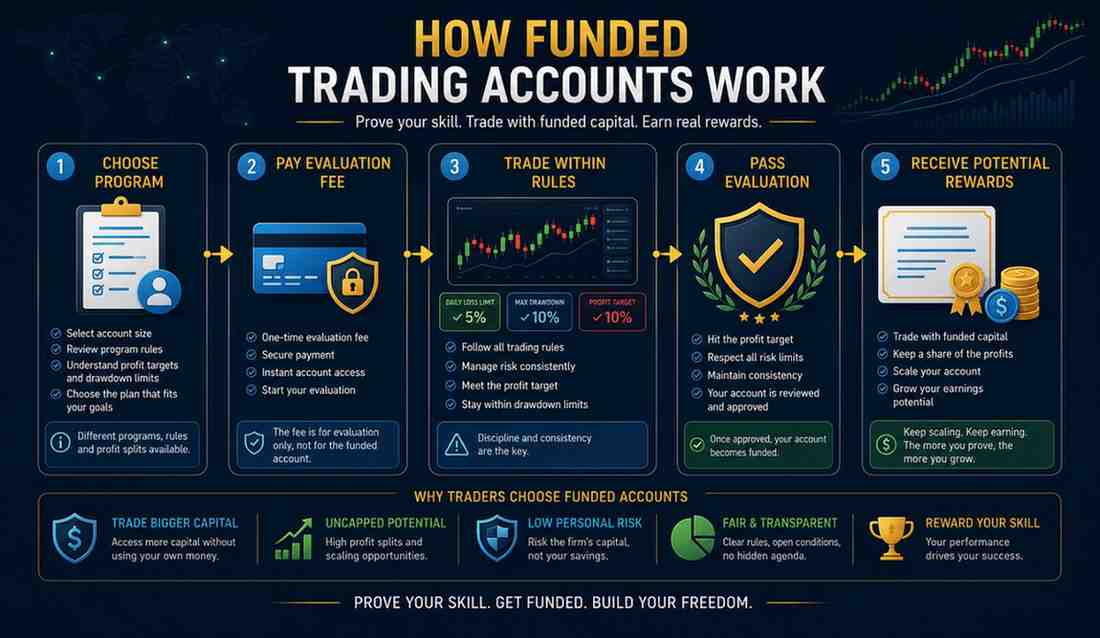
A typical funded trading account follows several stages.

how funded trading accounts work with Prop Trading Firms in 2027

Stage 1: Choose a Program

The trader selects a challenge based on account size and rules.

For example:

Program FeatureExample
Advertised account size$100,000
Challenge feeVaries
Profit targetVaries
Maximum daily lossVaries
Maximum total lossVaries
Profit splitVaries
Minimum trading daysVaries

These figures are examples only. Every firm has different rules.

Stage 2: Pay the Evaluation Fee

Many online funded trading programs charge an evaluation or challenge fee.

The fee may provide access to a simulated trading environment and the opportunity to demonstrate performance.

This means traders should not automatically interpret the advertised account size as money deposited into their personal brokerage account.

Stage 3: Trade Within the Rules

The trader attempts to reach the required performance target without violating the risk rules.

This is where many traders struggle.

A strategy that works perfectly on a normal personal account may fail under strict prop-firm restrictions.

Stage 4: Pass the Evaluation

If the trader satisfies the firm’s conditions, they may advance to another stage or receive a funded-account status.

The exact structure varies substantially between companies.

Stage 5: Trade and Request Rewards

Depending on the program, the trader may receive a percentage of eligible profits.

For example, a firm may advertise an 80% or 90% trader share.

But the percentage alone doesn’t tell you whether the program is attractive.

You must examine the entire rulebook.


The $100,000 Account Illusion

real vs simulated funded trading accounts

One of the biggest misunderstandings surrounding prop Trading Firms in 2027 is the meaning of a “$100,000 funded account.”

A trader may see:

$100,000 ACCOUNT

and assume:

โ€œThe firm has deposited $100,000 into an account that I can freely lose or withdraw.โ€

That may not be the case.

Some modern prop programs explicitly state that the trading environment is simulated.

This doesn’t automatically make such a program fraudulent.

It simply means the trader needs to understand the business model.

The important question is not

โ€œIs the account real?โ€

The better question is,

โ€œWhat contractual relationship am I entering into, what am I paying for, what can I earn, and what risks do I assume?โ€


Traditional Prop Trading vs Modern Funded Trader Programs

FeatureTraditional Proprietary FirmModern Retail Funded Program
CapitalUsually firm’s capitalOften simulated
TraderEmployee/contractorIndependent participant
EntryRecruitment/applicationChallenge/evaluation
FeeUsually no retail challenge feeOften evaluation fee
Trading environmentLive/institutionalOften simulated
Revenue modelTrading profitsVaries by firm
Profit sharingEmployment/contract arrangementReward/profit split
RulesInternal risk frameworkPublished challenge rules
TechnologyInstitutionalRetail platforms
RegulationDepends on activity/jurisdictionVaries significantly

This distinction should become one of the most important concepts in Prop Trading Firms in 2027.


Why Are Prop Trading Firms So Popular?

The appeal is easy to understand.

1. Lower Personal Capital Requirement

A trader may not have enough personal capital to trade a large account responsibly.

A funded program can potentially provide access to a larger notional trading environment without requiring the trader to deposit the entire advertised account size.

2. Defined Loss Limits

A personal trading account can be destroyed if the trader repeatedly deposits more money.

A funded challenge typically has predefined loss limits.

Once those limits are breached, the account may be terminated.

3. Performance-Based Opportunity

Successful traders may receive rewards based on their performance.

4. Psychological Separation From Personal Savings

Some traders prefer risking a defined evaluation fee rather than placing a large portion of personal savings into a trading account.

However, that does not mean the evaluation fee is low-risk.

Repeated failed challenges can become expensive.

5. Trading Technology

Modern prop programs can offer access to platforms and tools that resemble professional trading environments.


The Biggest Problem With Prop Trading Firms in 2027

The biggest danger isn’t necessarily the concept.

It is misunderstanding the rules.

A trader might have a profitable strategy but still fail because of:

  • Daily drawdown
  • Trailing drawdown
  • News restrictions
  • Maximum lot size
  • Overnight rules
  • Weekend restrictions
  • Consistency rules
  • Copy-trading restrictions
  • Expert Advisor restrictions
  • Arbitrage restrictions
  • Minimum trading days

A trader can therefore be profitable and still fail the challenge.

That is why understanding risk management remains essential. Risk Management Mastery: 7 Proven Strategies provides a useful foundation for understanding position sizing, drawdowns, and disciplined trading.


11 Powerful Rules for Choosing Prop Trading Firms in 2027

Rule 1: Understand What โ€œFundedโ€ Actually Means

Before paying anything, find out whether the account is:

  • Live
  • Simulated
  • Demo
  • Hybrid
  • Performance-based
  • Connected to actual market execution

Do not rely on the word funded.

Read the firm’s legal terms.

Rule 2: Read the Maximum Drawdown Rule

This may be more important than the advertised profit split.

Suppose:

Account size = $100,000

Maximum drawdown = 10%

The practical loss threshold is approximately

$10,000

If the account reaches the firm’s loss threshold, the program may terminate the account.

But drawdown can be calculated differently.

It could be:

  • Static
  • Trailing
  • Equity-based
  • Balance-based
  • Intraday
  • End-of-day

Never assume two firms with a โ€œ10% drawdownโ€ have identical rules.

Rule 3: Understand Daily Loss Limits

A firm might have:

Maximum daily loss = 5%

But how is the day calculated?

Does it use:

  • Balance?
  • Equity?
  • Floating losses?
  • Closed trades?
  • Swap?
  • Commission?

These details matter.

A trader can breach a rule without realizing how the firm calculates it.

Rule 4: Examine the Profit Target

A 10% profit target may sound achievable.

But consider the risk required to reach it.

If you risk 2% per trade and need 10%, five consecutive winning trades might seem attractive.

But losses can quickly compound in the opposite direction.

The objective should not be:

Pass as quickly as possible.

It should be:

Trade in a way that can survive long enough to demonstrate genuine consistency.

Rule 5: Examine the Profit Split

A 90/10 split sounds better than an 80/20 split.

But profit split alone should never determine your choice.

Consider:

  • Payout frequency
  • Minimum payout
  • Eligibility conditions
  • Consistency rules
  • Scaling requirements
  • Withdrawal methods
  • Account reset conditions
  • Processing time

A smaller percentage from a transparent program can potentially be preferable to a larger percentage surrounded by restrictive conditions.

Rule 6: Read the Prohibited Strategy List

This is especially important for algorithmic traders.

Some firms restrict:

  • Expert Advisors
  • Trade copiers
  • Arbitrage
  • Latency trading
  • High-frequency strategies
  • Grid systems
  • Martingale
  • Hedging
  • Account sharing
  • Copying another trader

Rules differ substantially.

For example, one current funded program explicitly prohibits copying trades from other traders and restricts certain bots and strategies.

Therefore, never assume that an EA or strategy that works with one firm will be allowed at another.

Rule 7: Investigate the Company Behind the Brand

Don’t stop at the website.

Find:

  • Legal entity
  • Registered address
  • Terms and conditions
  • Privacy policy
  • Company registration
  • Regulatory status where applicable
  • Ownership information
  • Contact information
  • Complaint procedures

A professional website is not proof of legitimacy.

Rule 8: Understand the Payout Process

Before purchasing a challenge, ask:

What conditions must be satisfied before I can receive money?

Check:

  • Minimum payout
  • Payout schedule
  • Identity verification
  • Profit requirements
  • Consistency requirements
  • Maximum payout
  • Payment methods
  • Processing times
  • Reasons for payout denial

Don’t build your trading plan around an advertised payout percentage without reading the conditions.

Rule 9: Check the Jurisdiction

Where is the company legally based?

Where is your contract with?

Which laws govern the agreement?

Where would you make a complaint?

These questions matter because protections can vary significantly between jurisdictions.

The FCA has repeatedly warned consumers about firms operating without appropriate UK authorization and about losing regulatory protections when dealing with unauthorized or offshore entities.

Rule 10: Never Believe Guaranteed Profit Claims

This should be a universal rule.

Avoid statements such as:

โ€œGuaranteed income.โ€

โ€œRisk-free funded account.โ€

โ€œGuaranteed $10,000 monthly.โ€

โ€œPass with our secret strategy.โ€

โ€œNever lose your own money.โ€

Trading involves uncertainty.

The FCA has warned about unrealistic return promises and high-pressure financial promotions in the broader CFD and trading ecosystem.

Rule 11: Calculate Your True Cost

Your cost isn’t necessarily the challenge fee.

Consider:

  • Challenge fee.
  • Reset fees.
  • Second attempt
  • Platform costs
  • Data costs
  • Trading costs
  • Potential payout limitations
  • Time spent.
  • Psychological cost

This gives you a much more realistic picture of Prop Trading Firms in 2027.


Prop Firm Challenge Fees: The Cost Most Traders Underestimate

Suppose a trader pays:

$100

for a challenge.

They fail.

They pay another:

$100

They fail again.

Another:

$100

After ten attempts:

$1,000

The trader may eventually pass.

But the question becomes:

How much did it cost to reach the payout stage?

This is why traders should calculate their total challenge expenditure, not simply the price of one evaluation.


Why Good Traders Can Still Fail Prop Challenges

This is one of the most important lessons for beginners.

A trader can have a profitable strategy and still fail a prop challenge because of the mismatch between:

Strategy risk

and

Prop-firm rules.

Consider a swing trader.

Their normal strategy might tolerate:

8% drawdown

before recovering.

But the prop firm allows only,

6% maximum drawdown.

The strategy could be profitable over twelve months but still fail the evaluation.

This doesn’t necessarily mean the trader is bad.

It means the strategy and account structure are incompatible.


Prop Trading Firms in 2027 and Algorithmic Trading

Automation will become increasingly important.

Traders are already using:

  • Expert Advisors
  • Python systems
  • Trading bots
  • AI-assisted strategies
  • Trade copiers
  • Automated risk managers
  • Algorithmic execution

But Prop Trading Firms in 2027 will not necessarily allow every form of automation.

Before using an EA, check:

Is automated trading permitted?

Then check:

Are third-party EAs permitted?

Then:

Are trade copiers permitted?

Then:

Are latency-arbitrage strategies prohibited?

Never assume.

A trader who has spent months developing an automated system could lose an account by violating a rule they never read.


AI and Prop Trading Firms in 2027

AI could significantly change the funded-trader industry.

A trader might use AI for:

  • Market research
  • Economic-news analysis
  • Strategy development
  • Coding
  • Backtesting
  • Risk management
  • Trade journaling
  • Performance analysis
  • Psychological tracking

Prop firms themselves could also use AI to analyze:

  • Trading behavior
  • Risk exposure
  • Rule violations
  • Account correlations
  • Suspicious activity
  • Strategy duplication

This creates an interesting future.

The trader will increasingly compete not only against the market but also against sophisticated risk-monitoring systems.


Prop Trading Firms in 2027 vs. Personal Trading Account

FeatureProp TradingPersonal Account
Initial capitalUsually lower personal outlayYour own capital
Maximum lossProgram-definedPotentially your entire account
ControlLimited by firm rulesFull
Strategy freedomOften restrictedGreater
LeverageFirm-definedBroker-defined
Profit sharingUsually requiredYou keep your trading profit
EvaluationUsually requiredUsually not
Psychological pressureChallenge rulesPersonal capital
PayoutSubject to rulesWithdraw according to broker terms
Long-term ownershipUsually noYes

Neither model is automatically better.

The correct choice depends on the trader’s capital, skill, discipline, strategy, and objectives.


Prop Trading vs Copy Trading

These two models are often confused.

Copy trading means following another trader’s positions.

Prop trading means attempting to trade under a firm’s capital or simulated-capital program in exchange for potential rewards.

FeatureProp TradingCopy Trading
Trader makes decisionsYesUsually another trader
EvaluationOftenUsually no
Capital modelFirm/simulatedInvestor’s account
Skill requirementHighLower initially
ControlHigh within rulesLower
Main riskRule + market riskTrader + market risk
Profit splitCommonUsually not
MonitoringEssentialEssential

Is Prop Trading Safer Than Trading Your Own Money?

This question needs a nuanced answer.

A trader may potentially limit their direct financial exposure to the evaluation fee.

But that does not mean prop trading is automatically safer.

You can lose:

  • Challenge fees
  • Reset fees
  • Trading time
  • Emotional capital
  • Potential profits

And if you repeatedly purchase challenges because you are failing, your losses can accumulate.

The better question is:

Does the prop model help you control your risk, or does it encourage you to take more risk because the account looks large?

That distinction matters.


The Psychology of Funded Trading

The number displayed on a trading platform can influence behavior.

Imagine seeing:

$100,000

on your dashboard.

You may psychologically treat it differently from:

$1,000 of your own money.

That can lead to:

  • Oversizing
  • Revenge trading
  • Overtrading
  • Moving stop losses
  • Chasing the profit target
  • Trading during unsuitable market conditions

A professional trader should think in terms of risk percentage, not account size.

If your maximum acceptable risk is 0.5% per trade, that principle should remain consistent regardless of whether the nominal account is $10,000 or $100,000.


Red Flags When Evaluating Prop Trading Firms in 2027

Prop Trading Firms in 2027 red flags

Be cautious when you encounter:

Guaranteed Returns

No legitimate trading model can guarantee future market profits.

Unrealistic Profit Claims

Claims that ordinary traders can consistently generate enormous monthly returns deserve scrutiny.

Hidden Rules

The challenge should have clearly accessible terms.

Constant Rule Changes

Frequent changes can make historical comparisons difficult.

Aggressive Upselling

Be cautious if you’re repeatedly pressured to purchase larger accounts or additional challenges.

Unclear Legal Entity

You should know who you’re contracting with.

Unclear Payout Conditions

If you cannot understand when and why you can receive a payout, stop and investigate.

Anonymous Ownership

A professional financial business should provide meaningful information about its corporate identity.

Pressure to Deposit More

This is a major warning sign in any financial service.


How to Research a Prop Trading Firm

Before paying a challenge fee, create a simple research sheet.

QuestionYour Answer
Legal company name
Country of registration
Regulatory status
Challenge fee
Profit target
Daily loss limit
Maximum drawdown
Trailing drawdown
Minimum trading days
News restrictions
Weekend restrictions
EA allowed?
Copy trading allowed?
Profit split
Payout conditions
Refund policy
Customer support
Terms and conditions

If you cannot fill this table confidently, you probably haven’t researched the firm enough.


A Better Way to Compare Prop Trading Firms in 2027

Instead of asking:

โ€œWhich prop firm is the best?โ€

ask:

โ€œWhich prop firm best matches my trading strategy?โ€

A scalper may need:

  • Tight spreads
  • Fast execution
  • Flexible news rules
  • Low trading costs

A swing trader may prioritize:

  • Overnight holding
  • Weekend holding
  • No restrictive time limits

An algorithmic trader may need:

  • EA compatibility
  • VPS access
  • API support
  • Stable execution

A news trader may need completely different conditions.

Therefore, there is no universal best prop trading firm.

There is only a potentially better or worse fit for a particular trader.


Prop Trading Firms in 2027: A Practical Scoring System

Use a 100-point framework:

CategoryWeight
Rule transparency20
Drawdown structure20
Payout terms15
Company transparency15
Strategy compatibility10
Trading costs10
Platform/technology5
Customer support5
Total100

This isn’t an official industry scoring system.

It is a FinWireStack educational framework for comparing programs more systematically.


Should Beginners Use Prop Trading Firms?

Prop Trading Firms in 2027 may look attractive to beginners, but a challenge should not be treated as a shortcut to becoming a profitable trader.

If you are consistently losing on a $500 personal account, obtaining a $100,000 nominal funded account will not automatically fix the problem.

In fact, the additional rules may make the situation harder.

Before attempting a challenge, beginners should understand:

  • Risk management
  • Position sizing
  • Stop-loss placement
  • Leverage
  • Drawdown
  • Trading psychology
  • Market structure
  • Trading costs
  • Their own strategy

If you are still learning technical analysis, our How to Read Forex Charts: Beginner’s Guide can serve as a useful starting point.


When a Prop Firm May Make Sense

A funded trading program may potentially make sense for a trader who:

  • Already has a tested strategy
  • Understands risk management
  • Can follow rules consistently
  • Has realistic return expectations
  • Understands the firm’s business model
  • Can afford the evaluation fee
  • Has studied the payout conditions
  • Does not depend on challenge profits for essential expenses

When a Prop Firm May NOT Make Sense

Avoid rushing into a challenge if:

  • You have no tested strategy
  • You revenge trade
  • You regularly over-leverage
  • You cannot follow stop losses
  • You need immediate income
  • You are borrowing the challenge fee
  • You believe a funded account guarantees income
  • You are choosing firms solely because of social media influencers
  • You haven’t read the rules
  • You are repeatedly failing challenges

The Future of Prop Trading Firms Toward 2030

The industry could evolve significantly between 2027 and 2030.

Potential developments include:

AI-Based Trader Evaluation

Firms could assess traders using behavioral and statistical models rather than simple profit targets.

Dynamic Risk Limits

Instead of fixed rules, limits could adapt according to volatility and trader behavior.

More Automated Monitoring

AI could detect:

  • Rule violations
  • Account sharing
  • Strategy copying
  • Suspicious trading patterns
  • Correlated accounts
  • Abnormal execution

Greater Regulatory Attention

As retail-funded programs grow, regulators may increasingly examine how companies market these products and describe simulated trading, payouts, and financial risks.

Greater Transparency for Prop Trading Firms in 2027

Competition could encourage firms to publish:

  • Pass rates
  • Payout statistics
  • Rule changes
  • Legal entities
  • Trading environments
  • Historical performance

Integration With AI Trading

By 2030, traders may increasingly combine:

Human judgment + AI research + automated execution + funded capital.

That could make the prop-trading ecosystem very different from today’s model.


The Future May Not Be About Bigger Accounts

This is perhaps the most important point for Prop Trading Firms in 2027.

The industry has spent years marketing:

$10K

$50K

$100K

$200K

$500K

But the account size is not necessarily the most important number.

The more meaningful numbers are,

Maximum drawdown

Daily loss limit

Trading costs

Payout conditions

Risk per trade

Strategy expectancy

A $50,000 account with a sensible structure may be more useful than a $200,000 account with restrictive rules.


10 Questions to Ask Before Buying a Funded Account

Before paying for Prop Trading Firms in 2027, ask:

1. Is the trading account live or simulated?
2. What exactly happens to my challenge fee?
3. What is the maximum daily loss?
4. What is the maximum overall drawdown?
5. Is the drawdown static or trailing?
6. What strategies are prohibited?
7. How are payouts calculated?
8. What conditions can cause a payout to be denied?
9. Who legally operates the company?
10. What happens if the company shuts down?

If you cannot get clear answers, don’t rush.


Prop Trading Firms in 2027 Checklist

Prop Trading Firms in 2027 selection checklist

Before purchasing any funded trading challenge:

โ˜ Verify the legal company.

โ˜ Read the complete terms.

โ˜ Confirm whether the account is live or simulated.

โ˜ Understand the evaluation fee.

โ˜ Understand the profit target.

โ˜ Calculate the maximum daily loss.

โ˜ Calculate maximum drawdown.

โ˜ Understand trailing drawdown.

โ˜ Check payout conditions.

โ˜ Check profit split.

โ˜ Check minimum trading days.

โ˜ Check news restrictions.

โ˜ Check weekend restrictions.

โ˜ Check EA restrictions.

โ˜ Check copy-trading restrictions.

โ˜ Check prohibited strategies.

โ˜ Verify customer support.

โ˜ Research independent reviews carefully.

โ˜ Never believe guaranteed-profit claims.

โ˜ Never borrow money to purchase repeated challenges.


Frequently Asked Questions

Are prop trading firms in 2027 worth it?

Prop trading firms in 2027 may be worthwhile for experienced traders who understand the rules, risk, and business model. They are not automatically worthwhile for beginners or consistently unprofitable traders.

Is a funded trading account real money?

It depends on the provider. Some modern funded programs explicitly operate simulated accounts. FTMO, for example, describes its funded account as a simulated trading environment.

Can you really make money with prop firms?

Some traders receive rewards or payouts, but profitability is not guaranteed. A trader must satisfy the firm’s rules and remain within its risk limits.

What is the biggest risk of prop trading?

In Prop Trading Firms in 2027, the biggest risks include losing evaluation fees, repeatedly purchasing challenges, violating restrictive rules, misunderstanding drawdown calculations, and assuming that advertised account size represents accessible cash capital.

Are prop firms regulated?

There is no single regulatory status shared by every online prop firm. The legal structure, jurisdiction, products, and services differ. Traders should independently verify the specific company’s legal and regulatory position.

What is a prop firm challenge?

A prop firm challenge is an evaluation process in which a trader attempts to meet predefined performance and risk requirements.

What is maximum drawdown?

Maximum drawdown is the largest permitted decline from a specified account level or equity/balance reference point. The calculation method varies between firms.

What is a profit split?

A profit split determines how eligible trading profits or rewards are divided between the trader and the firm.

Can beginners use prop firms?

They can, but Prop Trading Firms in 2027 should not be treated as a substitute for learning how to trade. Beginners should first develop risk management and trading skills.

Are bigger funded accounts better?

Not necessarily. The advertised account size should be evaluated alongside drawdown, leverage, trading restrictions, fees, and payout conditions.


Final Verdict: Are Prop Trading Firms in 2027 Worth It?

Prop Trading Firms in 2027 could provide opportunities for disciplined traders who lack sufficient personal capital and want to operate within predefined risk parameters.

But the industry needs to be understood correctly.

A “$100,000 funded account” does not necessarily mean that a firm has placed $100,000 of withdrawable cash into your personal brokerage account.

A 90% profit split does not automatically mean a better deal.

A cheap challenge does not necessarily mean lower risk.

A large social media following does not prove that a company is trustworthy.

And passing an evaluation does not guarantee long-term profitability.

In Prop Trading Firms in 2027, the smartest trader is therefore not the person who chooses the biggest account.

It is the person who understands the business model, rules, risk, costs, and payout structure before paying a cent.

As the industry moves toward 2030, AI, automation, and sophisticated risk monitoring are likely to make funded trading more technologically advanced.

That could create genuine opportunities.

It could also create increasingly sophisticated marketing.

The trader’s best protection will remain the same:

Read the rules. Understand the risk. Verify the company. Control your expectations.

And never confuse access to a large trading account with having a large amount of risk-free money.

Disclaimer: This article, Prop Trading Firms in 2027, is for educational and informational purposes only and does not constitute financial, investment, tax, or legal advice. Prop trading and financial-market trading involve substantial risk. Funded-account structures, rules, fees, payouts, and regulatory treatment vary by provider and jurisdiction. Always read the provider’s current legal documents and do your own research before paying for a trading program.

Copy Trading in 2027: Is Following Another Trader Really a Shortcut to Profit?

Copy Trading in 2027

Copy trading in 2027 is becoming an increasingly important topic for retail traders who want market exposure without making every trading decision themselves. The idea sounds simple. Find a successful trader. Connect your account. Copy their trades automatically.

When they buy, your account buys. When they sell, your account sells. For a beginner struggling to understand charts, indicators, economic news, and risk management, copy trading in 2027 can look like an attractive shortcut. But there is a problem. Following a trader does not automatically mean following their success. You are also copying their losses, leverage, drawdowns, timing, strategy limitations, and potentially their mistakes.

The growth of social and mobile trading is making this distinction more important. Regulators have been paying attention to copy trading because automated copying can cross into investment or portfolio management depending on how the service is structured. The UK’s Financial Conduct Authority states that copy trading can be treated as portfolio or investment management where there is no clear manual intervention from the account holder.

That makes Copy trading in 2027 much more than a question of finding the trader with the highest return. The real question is, can you identify a trader whose strategy, risk level, transparency, and performance are compatible with your own financial goals?

What Is Copy Trading?

Copy trading in 2027 refers to using a platform or service that allows one trader’s transactions to be automatically replicated in another investor’s account. The person being followed is commonly called a:

  • Signal provider
  • Strategy provider
  • Lead trader
  • Master trader
  • Trader to copy
    The person following them may be called:
  • Copier
  • Follower
  • Investor
  • Copy trader
    The copied trade may be replicated proportionally according to the amount allocated to the strategy.
    For example, suppose a trader opens a EUR/USD position using 5% of their account.
    Your copy-trading platform may allocate a corresponding proportion of your designated copy-trading capital.
    The exact mechanism depends on the platform.
    This is important because copy trading in 2027 does not necessarily mean that you own the same portfolio or experience the same percentage return.
    Execution prices, spreads, commissions, leverage, account size, and platform rules can all affect your results.

Why Copy Trading in 2027 Is Becoming More Attractive

Several trends are making Copy trading in 2027 particularly relevant.

1. Trading Is Becoming More Social

Modern trading platforms increasingly combine:

  • Market data
  • Social feeds
  • Trader rankings
  • Performance dashboards
  • Community discussions
  • Automated execution
    This creates an environment where trading ideas can spread rapidly.
2. Mobile Trading Is Normal

A trader no longer needs a traditional desktop workstation to monitor an account. Mobile platforms allow users to:

  • Follow traders
  • Review performance
  • Adjust allocations
  • Monitor positions
  • Receive notifications
  • Stop copying strategies
    That accessibility is one reason copy trading in 2027 could attract more inexperienced market participants.
3. AI Is Changing Trader Discovery

AI can potentially help investors analyze:

  • Historical returns
  • Drawdowns
  • Trading frequency
  • Asset exposure
  • Volatility
  • Risk-adjusted performance
  • Correlations
    This could make Copy trading in 2027 more analytical than the old approach of simply choosing the trader with the biggest percentage gain.
4. Finfluencer Culture Is Growing

How Copy Trading Will Actually Work in 2027

Social media has created a new class of financial personalities. Some provide useful educational content. Others may promote trading services, signals, or managed accounts without giving investors enough information about the risks. The FCA has specifically warned that some finfluencers promote unrealistic returns and encourage consumers to copy trades, invest in managed accounts, or purchase trading tips. Therefore, copy trading in 2027 should never be based solely on the personality of the trader.

how Copy Trading in 2027 works

A typical copy trading process in 2027 looks like this:

Step 1: Open an Account

You register with a platform that offers social or copy trading.

Step 2: Select a Trader

The platform normally displays information such as:

  • Return
  • Drawdown
  • Number of followers
  • Trading history
  • Risk score
  • Assets traded
  • Trading frequency

Step 3: Allocate Capital

You decide how much money to dedicate to copying. This is critical. Your entire investment portfolio does not have to be allocated to one trader.

Step 4: Activate Copying

Once activated, new trades from the selected trader may be replicated automatically.

Step 5: Monitor Performance

You should continue monitoring the strategy. Copy trading in 2027 is not “set it and forget it.”

Step 6: Stop or Adjust

If the trader’s strategy changes or risk becomes unacceptable, you should be able to reduce allocation or stop copying, depending on the platform.

The Biggest Mistake: Choosing the Highest Return

Copy Trading in 2027 trader selection

One of the biggest mistakes in Copy trading in 2027 will be chasing the trader at the top of the leaderboard. Imagine three traders:

TraderReturnMaximum DrawdownTrading Style
Trader A+180%-65%Aggressive
Trader B+65%-18%Moderate
Trader C+28%-9%Conservative
Trader A looks impressive.
But a 65% drawdown can be devastating.
If your $5,000 allocation falls 65%, you are left with approximately $1,750.
Recovering from a 65% loss requires a gain of approximately 186%.
That is why Copy Trading in 2027 should focus on risk-adjusted performance rather than headline returns.

11 Rules for Safer Copy Trading in 2027

Rule 1: Examine Maximum Drawdown

Maximum drawdown tells you how far an account or strategy has fallen from a previous peak. It is one of the most important measurements in copy trading in 2027. A trader who produces excellent returns but regularly suffers enormous drawdowns may be unsuitable for a conservative investor. Ask: How much of my capital can I tolerate losing before I stop copying?

Rule 2: Look at the Full Trading History

Do not judge Copy Trading in 2027 performance from the last 30 days. A trader can have an exceptional month because of:

  • Market conditions
  • One large position
  • High leverage
  • Concentration
  • Luck
    Look for a longer history where available.
    Ideally, examine multiple market conditions.

Rule 3: Understand the Trader’s Strategy

Before using Copy trading in 2027, understand what the trader actually does. Ask:

  • Are they scalping?
  • Day trading?
  • Swing trading?
  • Position trading?
  • Using leverage?
  • Trading CFDs?
  • Trading crypto?
  • Holding positions overnight?
  • Using automated systems?
    A trader whose strategy you cannot explain is difficult to monitor responsibly.

Rule 4: Check Leverage

Leverage can dramatically change Copy trading risk in 2027. A trader may produce impressive returns because they are taking enormous positions. If the market reverses, the same leverage can produce severe losses. Never assume that a high return means a low-risk strategy.

Rule 5: Check Risk Per Trade

A trader who repeatedly risks a large percentage of capital on individual trades may eventually experience a major drawdown. This is where FinWireStack’s Risk Management Mastery: 7 Proven Strategies can complement your copy-trading research. Risk Management Mastery: 7 Proven Strategies. The same principles of position sizing, stop-loss management, and drawdown control apply when evaluating copy Trading in 2027.

Rule 6: Do Not Put Everything Into One Trader

Diversification matters. Suppose you have $10,000 available for copy trading. Putting all $10,000 behind one highly aggressive trader creates concentration risk. A more diversified structure might involve different strategies or keeping some capital outside the copy-trading system. The correct allocation depends on your circumstances and risk tolerance.

Rule 7: Investigate the Platform

Copy Trading in 2027 is only as safe as the platform holding and executing your money.

Check:

  • Regulation
  • Legal company name
  • Client-fund arrangements
  • Fees
  • Withdrawal rules
  • Execution model
  • Complaint procedures
  • Account protection
    Do not assume a platform is legitimate simply because it has thousands of users.

Rule 8: Investigate the Trader

Follower count is not enough. A trader may have:

  • 50,000 followers
  • Attractive lifestyle content
  • Expensive cars
  • Luxury holidays
  • Screenshots of profits
    None of these prove that the strategy is sustainable.
    Copy Trading in 2027 should be based on evidence, not lifestyle marketing.

Rule 9: Understand All Fees

Your actual Copy trading in 2027 return can be affected by:

  • Spreads
  • Commissions
  • Performance fees
  • Management fees
  • Withdrawal fees
  • Currency conversion
  • Overnight financing
  • Platform charges
    A trader can show a strong gross return while your net return is considerably lower.

Rule 10: Set a Maximum Loss

Before activating Copy Trading in 2027, establish a personal risk limit. For example: “If this strategy reaches a 15% drawdown, I will review or stop copying.” The exact number should reflect your own risk tolerance and the strategy involved. The important principle is having a predefined rule.

Rule 11: Be Prepared to Stop

Stopping a losing strategy is not failure. Continuing to copy because you hope the trader will recover can turn a manageable loss into a much larger one. Copy Trading in 2027 requires the same discipline as direct trading.

Can Copy Trading in 2027 Actually Make Money?

Yes, it can produce profits. But that does not mean it is easy. The outcome depends on:

  • Trader selection
  • Market conditions
  • Risk management
  • Costs
  • Execution
  • Capital allocation
  • Strategy consistency
  • Your decision to stop or continue
    The key question is not:
    “Can copy trading in 2027 make money?”
    It is:
    “Can I identify and manage a strategy whose risk is acceptable to me?”
    A profitable trader can experience a losing period.
    A trader with an excellent historical record can change strategy.
    A strategy that worked in one market environment may fail in another.
    Therefore, Copy Trading in 2027 should be treated as an investment process rather than a guaranteed-income system.

Copy Trading in 2027 and Forex

Forex is one of the markets where copy trading has become particularly popular. A Forex copy trader may follow trading strategies:

  • EUR/USD
  • GBP/USD
  • USD/JPY
  • USD/CHF
  • AUD/USD
  • Gold
  • Major indices
    The advantage is convenience.
    The danger is leverage.
    A Forex strategy can appear highly profitable during a strong trend and then experience a rapid drawdown when market conditions change.
    If you are considering Forex copy trading, understanding how to read Forex charts can still be valuable even when someone else makes the trading decisions. How to Read Forex Charts: Beginner’s Guide
    You do not need to become a professional analyst.
    But you should understand enough to know what the trader is doing with your money.

Copy Trading in 2027 and Cryptocurrency

Crypto copy trading presents a different risk profile. Cryptocurrency markets can operate around the clock and may experience sharp price movements. A trader who performs well during a strong crypto bull market may have a very different result during a prolonged decline. Crypto copy trading also introduces platform, custody, and regulatory considerations. That means copy trading in 2027 should not be evaluated solely by the trader’s percentage return. You should also understand:

  • Which assets are being traded
  • Whether leverage is used
  • Where assets are held
  • What happens during extreme volatility
  • What fees apply
  • What happens if the platform becomes unavailable

Copy Trading in 2027 vs. Trading Yourself

FactorCopy Trading in 2027Trading Yourself
Decision-makingShared/delegatedYou decide.
Time requirementLowerHigher
Learning opportunityModerateHigh
ControlPartialFull
RiskDepends on providerDepends on you
Emotional pressurePotentially lowerPotentially higher
Skill requirementTrader selectionMarket analysis + execution
MonitoringStill requiredRequired
FeesPlatform + trading costsTrading costs
Neither approach is automatically superior.
Copy Trading in 2027 may suit someone who does not have the time or expertise to execute every trade.
Direct trading may suit someone who wants complete control and is willing to develop the required skills.

Copy Trading in 2027 Is Not Passive Investing

This distinction matters. Passive investing generally involves buying diversified assets and holding them for a long period. Copy trading in 2027 is usually much more active. The trader may:

  • Open positions frequently
  • Change exposure
  • Increase leverage
  • Close trades quickly
  • Change strategy
    Therefore, copying someone does not transform an active trading strategy into passive investing.

The Finfluencer Problem

Social media is likely to remain a major driver of Copy Trading in 2027. A trader can build a large audience by displaying:

  • Luxury cars
  • Profitable trades
  • Trading screens
  • Expensive watches
  • Travel
  • High account balances
    The problem is that social media usually shows the highlights.
    You rarely see:
  • Losing months
  • Margin calls
  • Failed strategies
  • Drawdowns
  • Hidden costs
  • Withdrawals
  • Personal financial losses
    The FCA has already raised concerns about finfluencers and unrealistic return claims connected with copy trading and managed accounts.
    Copy Trading in 2027 should therefore separate the trader’s marketing identity from their verified trading record.

How AI Could Change Copy Trading in 2027

AI could make copy trading in 2027 significantly more sophisticated. Instead of simply ranking traders by return, AI systems could potentially compare:

  • Risk-adjusted returns
  • Drawdown patterns
  • Correlations
  • Position concentration
  • Trading frequency
  • Volatility exposure
  • Market regime performance
  • Strategy changes
  • Behavioral patterns
    This could help investors identify whether two traders are actually diversified or simply making similar bets.
    AI may also help detect sudden changes in a trader’s behavior.
    For example:
    A trader historically risks 1% per position.
    Suddenly, they begin risking 8%.
    An intelligent monitoring system could flag the change.
    This direction fits into the broader evolution toward AI-assisted investing and autonomous financial tools.
    FinWireStack’s AI Trading Agents 2027 article explores how autonomous AI systems could increasingly participate in market research, decision-making, and execution. AI Trading Agents 2027
    However, AI does not eliminate the fundamental risk of following another person’s strategy.
    It simply gives investors more tools for evaluating that strategy.

A Copy Trading in 2027 Scoring System

Before choosing a trader, consider scoring them across several categories.

CategoryWeight
Long-term track record20%
Maximum drawdown20%
Risk management15%
Strategy transparency15%
Consistency10%
Leverage10%
Fees5%
Platform/regulatory quality5%
Do not interpret the percentages as a universal formula.
They are simply a framework for thinking beyond headline returns.
The goal of Copy Trading in 2027 is not to identify the trader who made the most money last month.
It is to identify the strategy that offers a reasonable combination of potential return, risk and transparency.

7 Questions to Ask Before Copying a Trader

Before starting Copy Trading in 2027, ask:

1. How long has the trader been active?

A few profitable weeks are not enough evidence.

2. What is the maximum historical drawdown?

This helps you understand potential downside.

3. How much leverage does the trader use?

High leverage can transform normal volatility into severe losses.

4. What assets does the trader trade?

Know what you are actually exposed to.

5. How much do fees reduce my return?

Focus on net results rather than advertised returns.

6. What happens if I stop copying?

Understand how open positions are handled.

7. Is the platform properly regulated?

Verify this independently. These questions can dramatically improve the quality of your Copy Trading in 2027 decision.

Common Copy Trading Mistakes

Chasing Last Year’s Winner

A trader who performed exceptionally well in the past may not repeat that performance.

Ignoring Drawdown

Return without drawdown analysis is incomplete.

Copying Too Many Traders

Owning ten strategies does not necessarily create diversification. They may all trade the same assets.

Using Money You Cannot Afford to Lose

Copy trading remains exposed to market risk.

Trusting Social Media

Popularity is not proof.

Ignoring Fees

Costs compound over time.

Never Checking the Account

Automatic execution does not mean automatic supervision.

Increasing Allocation After a Winning Streak

A winning streak can create false confidence.

Copying High-Leverage Strategies

Large returns may simply reflect large risk.

Expecting Monthly Income

Trading performance is not a salary.

Is Copy Trading in 2027 Good for Beginners?

Copy trading in 2027 can be useful for beginners as an educational tool, but beginners should not confuse convenience with safety. A new trader can observe:

  • How professionals enter trades
  • How they manage positions
  • How they react to market changes
  • How frequently they trade
  • How drawdowns develop
    But the beginner should also study the underlying principles.
    A person who blindly copies another trader may never learn how markets work.
    A person who combines copy trading with education can use the experience as a learning laboratory.

A Safer Beginner Framework for Copy Trading in 2027

A beginner could approach copy trading in 2027 using five stages:

Stage 1 โ€” Learn:

Understand basic market terminology, leverage, spreads, and risk.

Stage 2 โ€” Observe:

Track several traders without committing capital.

Stage 3โ€”Compare:

Analyze returns, drawdown, leverage, and strategy.

Stage 4 โ€” Start Small:

If you decide to proceed, use an amount appropriate to your risk tolerance.

Stage 5 โ€” Review:

Monitor performance and determine whether the strategy still fits your objectives.

This is much more disciplined than choosing a trader because their profile displays the highest return.

What Regulators Are Telling Investors

Regulatory attention to copy trading is increasing. The FCA explains that copy trading may fall within portfolio or investment management requirements when investors automatically follow another person’s trades without meaningful manual intervention.

ESMA has also issued supervisory guidance covering copy-trading services, including requirements and expectations around marketing communications, costs, suitability, appropriateness, remuneration and the qualifications of traders whose trades are copied. This matters because Copy Trading in 2027 is not simply a social-media trend.

It intersects with investor protection, financial promotion, suitability, and regulation. The FCA has separately warned that consumers are sometimes encouraged by finfluencers to copy trades or invest in managed accounts based on unrealistic return claims.

What Could Go Wrong With Copy Trading in 2027?

Consider this scenario. You allocate $2,000 to a trader. The trader has generated a 90% return over the previous year. You assume the strategy is reliable. Three months later, the trader experiences a 30% drawdown. You panic and stop copying. Two weeks later, the strategy recovers. The trader finishes the year profitably. You still lose money because your timing was different. This is an important lesson.

Copy Trading in 2027 Risks

Copy Trading in 2027 does not guarantee that your result will match the trader’s displayed result. Differences can arise from:

  • Entry price
  • Execution
  • Slippage
  • Fees
  • Allocation
  • Timing
  • Account size
  • When you start copying
  • When you stop copying

The Biggest Psychological Trap

The biggest psychological danger in copy trading in 2027 may be giving up responsibility. When you make your own trade, you know the decision belongs to you. When another trader makes it, you may blame them. That can create a dangerous cycle: Profit โ†’ Increase allocation โ†’ Loss โ†’ Blame trader โ†’ Switch trader โ†’ Repeat. The solution is to treat every copied position as your own financial exposure. You are still responsible for deciding how much capital to allocate.

Final Verdict: Can You Make Money With Copy Trading in 2027?

Yes, copy trading in 2027 can potentially make money. But it is not a guaranteed income strategy. It is not a shortcut around risk. It is not a substitute for financial education. And it should never be treated as a magic button that turns another person’s trading history into your future profits. The strongest approach to copy trading in 2027 is selective, analytical, and risk-controlled. Look beyond returns. Study drawdown. Understand leverage. Check fees. Investigate the platform.

Verify the trader. Watch for strategy changes. Set your own risk limits. And never allow a social media personality to make your financial decisions for you. The future of copy trading in 2027 will likely be more automated, more personalized, and increasingly AI-supported.

That could make it easier to identify good traders. It could also make bad traders better at marketing themselves. The investor’s advantage will therefore come from one skill above all: knowing how to separate evidence from hype.

Copy Trading in 2027 Checklist

Copy Trading in 2027 Checklist

Before activating a strategy, ask yourself:

โ˜ I understand how the strategy works.

โ˜ I have reviewed the trader’s history.

โ˜ I have checked the maximum drawdown.

โ˜ I understand the leverage used.

โ˜ I know what assets are traded.

โ˜ I understand every major fee.

โ˜ I have verified the platform.

โ˜ I have checked the regulatory position.

โ˜ I have set my maximum acceptable loss.

โ˜ I am not relying on social media popularity.

โ˜ I am not chasing the highest recent return.

โ˜ I understand that past performance does not guarantee future results.

โ˜ I can afford to lose the capital allocated.

โ˜ I will continue monitoring the strategy.

If several answers are “no,” you are not ready to start copy trading in 2027.

Frequently Asked Questions

Is copy trading in 2027 profitable?

Copy trading in 2027 can be profitable, but profitability is not guaranteed. Results depend on trader selection, strategy, risk management, market conditions, costs, and execution.

Is copy trading in 2027 safe for beginners?

Copy trading in 2027 can reduce the amount of direct trade execution a beginner needs to perform, but it does not remove market risk. Beginners should understand leverage, drawdown, and fees before allocating money.

What is the biggest risk of copy trading in 2027?

The biggest risk is assuming that a trader’s historical performance will automatically become your future performance. Drawdowns, leverage, fees, execution, and timing can create very different results.

Can AI improve copy trading in 2027?

AI may improve trader discovery, risk analysis, portfolio monitoring, and strategy comparison. However, AI cannot guarantee future returns or eliminate market risk.

Should I copy the trader with the highest return?

No. A high return can come with extremely high risk. Examine maximum drawdown, leverage, consistency, and risk-adjusted performance before choosing a trader.

Can I lose all my money through copy trading?

Depending on the product, leverage, platform, and strategy, substantial or even total losses may be possible. Always understand the specific risks before investing.

Is copy trading the same as investing?

No. Many copy-trading strategies are active trading strategies rather than long-term passive investments.

How much money should I use for copy trading?

There is no universal amount that is appropriate for everyone. The amount should reflect your financial circumstances, risk tolerance, and ability to withstand losses.

Conclusion

Copy trading in 2027 could become one of the most accessible ways for retail investors to participate in active trading. But accessibility is not the same as safety. The platforms may become smarter. AI may make trader analysis faster. Mobile apps may make execution easier. Social networks may make successful traders more visible.

None of these developments changes the fundamental rule: You are still responsible for the risk attached to the money you allocate.

If you approach copy trading in 2027 by chasing profits, you may end up copying risk you do not understand. If you approach copy trading in 2027 by studying performance, drawdown, leverage, fees, regulation, and strategy consistency, you have a much stronger foundation for making an informed decision.

The goal is not to find someone who never loses. That person does not exist. The goal is to find a strategy whose risks you understand, whose performance you can evaluate, and whose potential losses you can genuinely afford.

Copy trading can copy a strategy. It cannot copy certainty.

Disclaimer: This article is for educational and informational purposes only and does not constitute financial, investment, tax, or legal advice. Trading and investing involve substantial risk, and past performance does not guarantee future results. Always conduct independent research and consider your financial circumstances and risk tolerance before allocating capital.

Sources

Financial Conduct Authority (FCA): Copy Tradingโ€”regulatory treatment and investor information. FCA Copy Trading Guidance.

Financial Conduct Authority (FCA): FCA warns investors in CFDs risk losing out on protections.

FCA Investor Protection Warning.

European Securities and Markets Authority (ESMA): Supervisory guidance for copy trading services. ESMA Copy Trading Guidance.

European Securities and Markets Authority (ESMA): Risks from social-media-driven trading. ESMA Social Trading Risk Warning.

U.S. Securities and Exchange Commission / Investor.gov: Social Sentiment Investing Tools. Investor.gov Social Sentiment Investing Tools.

How to Master Forex Risk Management: 17 Proven Strategies to Protect Your Trading Capital in 2027

Forex Risk Management illustration showing a professional trader using stop-loss orders, position sizing, and risk analysis dashboards to protect trading capital.

If there is one skill that separates consistent traders from those who repeatedly lose money, it is Forex Risk Management.

Many beginners spend countless hours searching for the perfect trading strategy, the most accurate technical indicator, or the next big market opportunity. Yet experienced traders often agree that long-term success depends less on predicting the market and more on managing risk effectively.

No strategy wins every trade. Even professional traders experience losing streaks. The difference is that successful traders understand how to limit losses, preserve capital, and remain disciplined through changing market conditions.

In this comprehensive guide, you will learn Forex Risk Management principles that can help you make more informed decisions and reduce avoidable mistakes. We will cover position sizing, leverage, stop-loss orders, diversification, trading psychology, and practical frameworks that beginners can apply immediately.

Whether you are trading major currency pairs or comparing markets after reading our guide on Forex vs Crypto Trading, effective risk management should remain at the center of every trading decision.

If you are new to Forex, begin with our complete beginner’s guide: complete-beginners-guide-to-forex-trading

You may also find these guides helpful before continuing:


What Is Forex Risk Management?

Forex Risk Management is the process of identifying, evaluating, and controlling the risks involved in currency trading. It is not about eliminating riskโ€”because no investment is completely risk-freeโ€”but about making thoughtful decisions that help protect your trading capital over time.

Every trade carries uncertainty. Prices may move in your favor or against you because of economic data, central bank announcements, geopolitical events, or unexpected market sentiment.

Good risk management focuses on controlling what you can control, including:

  • Position size.
  • Maximum loss per trade.
  • Stop-loss placement.
  • Total portfolio exposure.
  • Use of leverage.
  • Emotional discipline.

Think of risk management as the safety system in a vehicle. It cannot prevent every accident, but it can reduce the impact when something goes wrong.


Why Forex Risk Management Matters

Many traders believe success comes from winning most of their trades.

In reality, profitability often depends on how well losses are managed.

Imagine two traders:

Trader A

  • Wins 70% of trades.
  • Risks 20% of the account on every trade.

A few consecutive losses could significantly reduce the account balance.

Trader B

  • Wins 45% of trades.
  • Risks only 1% per trade.
  • Maintains a favorable risk-to-reward ratio.

Although Trader B wins fewer trades, disciplined risk management may lead to more consistent long-term results.

This example illustrates an important principle:

Capital preservation creates opportunities to continue learning and participating in the market.


The Three Pillars of Forex Risk Management.

Every successful risk management plan is built on three core principles:

1. Protect Your Capital

Your trading account is your business capital.

Once significant losses occur, recovering becomes progressively more difficult.

For example:

LossGain Needed to Recover
10%11.1%
20%25%
30%42.9%
40%66.7%
50%100%

This table highlights why avoiding large losses is often more important than chasing large gains.


2. Control Risk Before Seeking Profit

Many beginners focus on how much they can make.

Professional traders often begin by asking:

“How much am I prepared to lose if this trade does not work as expected?”

This shift in thinking encourages discipline and supports better decision-making.


3. Think Long-Term

Trading is a marathon rather than a sprint.

Consistent habits, continuous education, and responsible risk management often contribute more to long-term success than short-term excitement.


Reference authoritative educational resources in this content include:

The 17 Proven Forex Risk Management Strategies

Understanding Forex Risk Management is one thing; consistently applying it is what separates disciplined traders from those who struggle over time. The following strategies are practical principles that can help you build a structured approach to managing risk.


Strategy #1 โ€“ Never Risk More Than You Can Afford to Lose

The foundation of Forex Risk Management is simple: never trade with money that you cannot afford to lose.

Forex markets can be volatile. Even well-researched trades may move against you due to unexpected economic announcements, geopolitical events, or sudden shifts in market sentiment.

Before placing a trade, ask yourself:

  • If this trade reaches my stop-loss, will I still be financially comfortable?
  • Am I trading with disposable capital rather than money needed for essential expenses?
  • Would losing this amount affect my daily life?

Pro Tip: Build a dedicated trading account funded only with money allocated for investing or trading. This encourages discipline and supports sound Forex Risk Management practices.


Strategy #2 โ€“ Follow the 1% Risk Rule

One of the most widely discussed principles in Forex Risk Management is the 1% Rule.

This guideline suggests risking no more than 1% of your trading account on a single trade.

Example

Trading Account: $5,000

Maximum Risk per Trade:

$50

Even if several trades result in losses, limiting risk per trade helps preserve your capital and allows you to continue participating in the market.

Why the 1% Rule Matters

Imagine two traders:

TraderRisk per TradeAfter Five Consecutive Losing Trades
Trader A10%Approximately 41% account drawdown
Trader B1%Approximately 5% account drawdown

The difference illustrates why disciplined Forex Risk Management focuses on controlling downside risk rather than chasing quick profits.


A stop-loss order is one of the most important tools in Forex Risk Management.

It is an instruction to close a trade if the market reaches a predetermined price level, helping to limit potential losses.

Benefits
  • Limits downside exposure.
  • Reduces emotional decision-making.
  • Encourages disciplined trade planning.
  • Supports consistent risk management.

Avoid moving a stop-loss farther away simply because you hope the market will reverse. Doing so can increase risk beyond your original trading plan.

For a detailed explanation of trading fundamentals, revisit our beginner’s guide:

https://finwirestack.com/complete-beginners-guide-to-forex-trading


Forex Risk Management infographic illustrating how stop-loss orders protect trading capital by automatically limiting losses on Forex trades.

Strategy #4 โ€“ Determine Position Size Before Entering a Trade

Position sizing is another essential component of Forex Risk Management.

Rather than deciding how many lots to trade based on emotion or confidence, calculate your position size based on:

  • Account balance.
  • Percentage of capital at risk.
  • Stop-loss distance.
  • Currency pair.

This structured approach helps ensure consistency regardless of market conditions.

Example

Account Balance: $10,000

Risk Per Trade: 1%

Maximum Loss:

$100

Your position size should be adjusted so that if the stop-loss is reached, the total loss remains within your predetermined risk limit.


Strategy #5 โ€“ Maintain a Favorable Risk-to-Reward Ratio

Every trading opportunity should be evaluated by comparing the potential reward with the potential risk.

A commonly used benchmark is a 1:2 risk-to-reward ratio.

For example:

  • Potential Risk: 50 pips
  • Potential Reward: 100 pips

This means that even if you win fewer than half of your trades, disciplined Forex Risk Management may still support long-term profitability.

Comparison
RiskRewardRatio
50 pips100 pips1:2
40 pips120 pips1:3
30 pips60 pips1:2

Before entering any trade, ask:

“Does the potential reward justify the amount of risk?”


Strategy #6 โ€“ Understand and Control Leverage

Leverage allows traders to control larger market positions with a relatively small amount of capital.

While leverage can amplify gains, it can also magnify losses.

Responsible Forex Risk Management means using leverage conservatively and understanding how it affects your exposure.

Before using leverage, review educational guidance from the U.S. Commodity Futures Trading Commission:

https://www.cftc.gov/LearnAndProtect

Understanding leverage is especially important for beginners.


Strategy #7 โ€“ Diversify Thoughtfully

Diversification does not eliminate risk, but it can help avoid excessive exposure to a single market or currency.

For example, opening multiple positions that are highly correlated may increase overall risk rather than reduce it.

Instead of focusing on the number of trades, consider the relationship between them.


Strategy #8 โ€“ Avoid Emotional Trading

Fear, greed, overconfidence, and frustration can all interfere with good decision-making.

One of the most overlooked aspects of Forex Risk Management is emotional discipline.

Common emotional mistakes include:

  • Revenge trading after a loss.
  • Increasing position size impulsively.
  • Ignoring stop-loss levels.
  • Entering trades out of fear of missing out (FOMO).

Developing a written trading plan and following it consistently can reduce the influence of emotions.

For more on the psychological side of trading, also read:

https://finwirestack.com/the-psychology-of-money


Strategy #9 โ€“ Keep a Trading Journal

Recording every trade helps identify patterns over time.

Include details such as:

  • Entry and exit prices.
  • Position size.
  • Stop-loss placement.
  • Risk-to-reward ratio.
  • Trade outcome.
  • Lessons learned.

A trading journal transforms experience into measurable improvement and supports continuous Forex Risk Management refinement.


Strategy #10 โ€“ Learn Before Increasing Position Sizes

Many beginners make the mistake of increasing trade sizes after a few successful trades.

A more sustainable approach is to scale gradually as your experience, consistency, and confidence grow.

Responsible growth is an important principle of Forex risk management because it helps prevent overexposure during periods of overconfidence.


You can also learn more and expand your knowledge on trading in these areas, especially on:


You may also be interested in:
Strategy #11 โ€“ Limit Your Total Market Exposure

One of the most overlooked aspects of Forex Risk Management is total exposure.

Many beginners believe that opening several different trades automatically means they are diversified. In reality, many currency pairs are closely correlated.

For example:

  • EUR/USD
  • GBP/USD
  • AUD/USD

These pairs often respond similarly to movements in the U.S. dollar. Opening large positions in all three may significantly increase your overall exposure.

Instead of counting the number of trades, ask:

  • How much of my account is exposed?
  • Are multiple trades dependent on the same market movement?
  • What happens if the U.S. dollar strengthens unexpectedly?

Professional Forex Risk Management considers the combined effect of all open positionsโ€”not just each trade individually.


Strategy #12 โ€“ Understand Drawdowns

Every trader experiences losses.

The goal of Forex Risk Management is not to eliminate losing trades but to prevent losses from becoming so large that recovery becomes difficult.

A drawdown measures how much your account declines from its highest value.

Example

Starting Balance:

$20,000

After losses:

$17,000

Drawdown:

15%

The larger the drawdown, the greater the return required to recover.

DrawdownGain Needed to Recover
5%5.3%
10%11.1%
20%25%
30%42.9%
40%66.7%
50%100%

This is why preserving capital remains the cornerstone of effective Forex Risk Management.


Strategy #13 โ€“ Have a Maximum Daily Loss Limit

Professional trading firms often establish daily loss limits.

Individual traders can benefit from adopting the same discipline.

Example:

Trading Account:

$10,000

Maximum Daily Loss:

2%

If losses reach $200 during the day, stop trading and review what happened before returning to the market.

This practice helps prevent:

  • Revenge trading
  • Emotional decisions
  • Overtrading
  • Escalating losses

A maximum daily loss rule is one of the simplest yet most effective Forex Risk Management techniques.


Forex Risk Management infographic showing account drawdowns, recovery percentages, daily loss limits, and capital preservation strategies for Forex traders.

Strategy #14 โ€“ Don’t Chase the Market

Markets present opportunities every day.

Missing one trade rarely matters over the long term.

However, chasing a rapidly moving market can increase risk dramatically.

Examples include:

  • Entering after a large price spike.
  • Ignoring your trading plan.
  • Increasing position size because of fear of missing out (FOMO).

Strong Forex Risk Management means accepting that not every opportunity is worth pursuing.

Patience is often a competitive advantage.


Strategy #15 โ€“ Trade Around Major Economic Events Carefully

Economic announcements can create significant price movements.

Examples include:

  • Central bank interest rate decisions
  • Inflation reports
  • Employment data
  • GDP releases

During these events:

  • Spreads may widen.
  • Volatility may increase.
  • Price gaps may occur.

Before trading around major news, consult the official economic calendar provided by trusted sources or your broker.

You can also review educational resources from the Bank for International Settlements (BIS) regarding foreign exchange markets:

https://www.bis.org

Understanding scheduled events is an important part of Forex Risk Management.


Strategy #16 โ€“ Develop a Written Trading Plan

Professional traders rarely rely on memory alone.

Instead, they document:

  • Entry criteria.
  • Exit criteria.
  • Risk percentage.
  • Position sizing.
  • Markets traded.
  • Trading hours.
  • Maximum daily loss.
  • Weekly review process.

A written plan provides consistency and helps reduce impulsive decisions.

As your experience grows, your trading plan should evolve alongside your Forex Risk Management practices.


Strategy #17 โ€“ Continue Learning

Financial markets evolve continuously.

Successful traders invest in ongoing education.

Recommended learning areas include:

  • Technical analysis
  • Fundamental analysis
  • Trading psychology
  • Macroeconomics
  • Artificial intelligence in trading
  • Portfolio management

Continue building your knowledge through FinWireStack’s educational resources:

Consistent learning strengthens both your decision-making and your Forex Risk Management framework.


Common Forex Risk Management Mistakes

Even experienced traders occasionally make mistakes.

Some of the most common include:

โŒ Trading without a stop-loss

โŒ Risking too much on a single trade

โŒ Using excessive leverage

โŒ Moving stop-loss orders farther away

โŒ Overtrading after losses

โŒ Ignoring economic announcements

โŒ Trading emotionally

โŒ Failing to keep a trading journal

Recognizing these behaviors is the first step toward improving your Forex Risk Management.


A Simple Daily Forex Risk Management Checklist

Before placing any trade, ask yourself:

โœ… Have I identified the trend?

โœ… Have I calculated my position size?

โœ… Is my stop-loss in place?

โœ… Is the potential reward greater than the risk?

โœ… Am I risking less than 1% of my account?

โœ… Have I checked today’s economic calendar?

โœ… Does this trade follow my written trading plan?

If the answer to any of these questions is No, consider waiting until your plan is complete before entering the market.


External DoFollow Resources

Support your learning with these trusted organizations:

These organizations provide educational material and market information that complements the principles discussed in this guide.

Building Your Personal Forex Risk Management Framework

One of the biggest mistakes beginners make is treating Forex Risk Management as a collection of disconnected rules. Successful traders, however, develop a complete risk management frameworkโ€”a repeatable system they follow before, during, and after every trade.

A framework provides consistency. It helps reduce emotional decisions and ensures that every trade follows the same process regardless of recent wins or losses.

Think of your framework as a pilot’s pre-flight checklist. Even experienced pilots follow procedures every time because consistency reduces unnecessary risk. The same principle applies to Forex Risk Management.


Step 1: Define Your Maximum Account Risk

Before placing a trade, determine how much of your total account you are willing to risk.

Many disciplined traders choose a fixed percentage, such as 1% per trade, but the appropriate level depends on your financial situation, experience, and trading plan.

Ask yourself:

  • What is my total account balance?
  • What percentage am I comfortable risking?
  • Have I calculated my maximum loss before entering this trade?

Beginning with risk rather than profit is a hallmark of sound Forex Risk Management.


Step 2: Identify Market Conditions

Not every market environment is suitable for every strategy.

Before trading, evaluate:

  • Is the market trending?
  • Is it ranging?
  • Is volatility unusually high?
  • Are major economic announcements scheduled?

Market conditions should influence position size, stop-loss placement, and even the decision to stay out of the market.


Step 3: Calculate Position Size

Once your maximum risk has been determined, calculate an appropriate position size.

Your position size should take into account:

  • Account balance.
  • Risk percentage.
  • Stop-loss distance.
  • Currency pair volatility.

Avoid increasing position size simply because you feel confident about a trade.

Consistent Forex Risk Management means applying the same calculation process every time.


Step 4: Define Exit Rules Before Entry

Every trade should have a predefined exit strategy.

This includes:

  • Entry price.
  • Stop-loss level.
  • Take-profit target.
  • Risk-to-reward ratio.

Making these decisions before entering a trade helps reduce emotional reactions while the trade is active.


Forex Risk Management framework infographic illustrating a complete trading plan with position sizing, stop-loss, take-profit, leverage, and trade review.

Real-World Forex Risk Management Example

Consider two traders with identical accounts of $10,000.

Trader A
  • Risks 8% per trade.
  • Uses no stop-loss.
  • Trades emotionally after losses.
  • Frequently increases leverage.

After several losing trades, the account balance declines rapidly, making recovery increasingly difficult.

Trader B

  • Risks 1% per trade.
  • Uses predefined stop-loss levels.
  • Maintains a written trading plan.
  • Reviews every trade in a journal.
  • Adjusts position size based on market conditions.

Even after a series of losses, Trader B preserves enough capital to continue trading and learning.

This comparison illustrates why Forex Risk Management is about sustainability rather than short-term gains.


Position Sizing Comparison

Account BalanceRisk per TradeMaximum Loss
$1,0001%$10
$2,5001%$25
$5,0001%$50
$10,0001%$100
$25,0001%$250

This table demonstrates how risk scales proportionally with account size while maintaining consistent Forex Risk Management principles.


Advanced Capital Preservation Techniques

As traders gain experience, they often refine their Forex Risk Management by adding additional safeguards.

Examples include:

Scaling Into Positions

Instead of entering a full position at once, experienced traders may build positions gradually as market conditions confirm their analysis.

Reducing Exposure During High Volatility

Major economic announcements can significantly increase market volatility.

Reducing position size during these periods can help manage uncertainty.

Weekly Risk Reviews

Set aside time each week to evaluate:

  • Winning trades.
  • Losing trades.
  • Risk-to-reward ratios.
  • Emotional decision-making.
  • Adherence to your trading plan.

Regular reviews encourage continuous improvement.


The Role of Psychology in Forex Risk Management

Even the best risk management plan can fail if emotions take control.

Common emotional challenges include:

  • Fear after consecutive losses.
  • Overconfidence after winning streaks.
  • Impatience while waiting for setups.
  • Frustration leading to revenge trading.

Managing these emotions is a critical component of Forex Risk Management.

Practical techniques include:

  • Taking breaks after difficult trading sessions.
  • Following a written trading checklist.
  • Keeping a trading journal.
  • Avoiding impulsive decisions.

Forex Risk Management roadmap showing the journey from beginner trader to disciplined capital preservation through position sizing, stop-loss planning, leverage control, and continuous learning.

Forex Risk Management Myths vs Facts

Many beginners develop misconceptions about Forex Risk Management. Let’s separate fact from fiction.

MythFact
I only need risk management if I’m trading large accounts.Forex Risk Management is essential regardless of account size.
A good strategy eliminates losing trades.Every trading strategy experiences losses; risk management helps keep them manageable.
Higher leverage always means higher profits.Higher leverage can magnify both gains and losses.
Stop-loss orders reduce profits.Stop-loss orders protect trading capital and encourage disciplined trading.
Professional traders rarely lose.Professional traders lose trades tooโ€”they focus on controlling risk and preserving capital.
Winning more trades guarantees success.Long-term success depends on managing losses as much as achieving wins.

Understanding these realities helps build a healthier trading mindset.


Your Forex Risk Management Checklist

Use this checklist before entering every trade.

Trading Preparation

โ˜ I have reviewed today’s economic calendar.

โ˜ My trading setup meets my written plan.

โ˜ I understand current market conditions.

โ˜ There are no major announcements scheduled that could significantly affect my trade.


Risk Assessment

โ˜ My position size has been calculated correctly.

โ˜ I am risking no more than my predetermined percentage of capital.

โ˜ My stop-loss has been placed before entering the trade.

โ˜ My potential reward justifies the risk.

โ˜ My total market exposure remains within my plan.


Emotional Readiness

โ˜ I am not trading out of fear, greed, or frustration.

โ˜ I am following my trading plan rather than reacting emotionally.

โ˜ I accept that this trade may result in a loss.

โ˜ I am prepared to follow my exit rules without hesitation.

Saving or printing this checklist can help reinforce disciplined Forex Risk Management over time.


Frequently Asked Questions About Forex Risk Management

What is Forex Risk Management?

Forex Risk Management is the process of controlling potential losses while participating in the foreign exchange market. It includes position sizing, stop-loss orders, leverage management, diversification, emotional discipline, and capital preservation.


Why is Forex risk management important?

Without effective Forex Risk Management, even a profitable trading strategy can fail because large losses may outweigh gains. Protecting capital allows traders to continue learning, adapting, and participating in the market.


How much should I risk on each trade?

Many experienced traders choose to risk 1% or less of their account on a single trade, though the appropriate amount depends on individual circumstances, financial goals, and risk tolerance.


Can I trade Forex without a stop-loss?

While it is technically possible, trading without a stop-loss generally increases risk. Stop-loss orders are one of the most widely used Forex Risk Management tools because they help define maximum potential loss before entering a trade.


Does Forex Risk Management guarantee profits?

No.

Forex Risk Management cannot guarantee profits or eliminate losses. Its purpose is to reduce unnecessary risk, preserve capital, and improve consistency over the long term.


How often should I review my trading plan?

Review your trading plan regularlyโ€”many traders do so weekly or monthlyโ€”and after significant changes in market conditions or trading performance. Continuous evaluation helps refine your Forex Risk Management process.


Key Takeaways

Remember these core principles:

  • Protect capital before pursuing profits.
  • Risk only a small percentage of your account on each trade.
  • Use stop-loss orders consistently.
  • Calculate position size before entering the market.
  • Maintain a favorable risk-to-reward ratio.
  • Control leverage responsibly.
  • Keep a trading journal.
  • Follow a written trading plan.
  • Continue learning and adapting.

Strong Forex Risk Management is not about avoiding all lossesโ€”it’s about ensuring that no single trade or short series of trades can derail your long-term goals.


Final Thoughts

The most successful traders understand that long-term performance is built on consistency rather than excitement.

Developing effective Forex Risk Management habits takes time, practice, and discipline. There will always be uncertainty in financial markets, but by controlling the factors within your influenceโ€”such as position size, leverage, stop-loss placement, and emotional disciplineโ€”you can make more informed decisions.

Think of Forex Risk Management as the foundation of every trading strategy. Technical analysis, fundamental analysis, and market knowledge become much more valuable when they are supported by sound risk control.

Whether you are just beginning your Forex journey or refining an existing trading plan, make Forex Risk Management a non-negotiable part of every decision.


Continue Learning on FinWireStack

Expand your knowledge with these related guides:

  • The Complete Beginner’s Guide to Forex Trading
  • Forex vs Crypto Trading: 15 Essential Differences Every Beginner Must Know
  • How to Choose a Forex Broker: 17 Essential Tips
  • Understanding Technical Analysis
  • Mastering Trading Psychology
  • AI Tools Transforming Forex Trading
  • How to Avoid Forex and Crypto Scams

Building knowledge across these topics will help you become a more informed and disciplined trader.


Recommended External Resources

For additional educational material and market information, explore these trusted organizations:

  • Bank for International Settlements (BIS) โ€“ Research on global foreign exchange markets.
  • Commodity Futures Trading Commission (CFTC) โ€“ Investor education and market oversight.
  • National Futures Association (NFA) โ€“ Broker verification and educational resources.
  • Financial Conduct Authority (FCA) โ€“ Consumer guidance on financial services.
  • International Monetary Fund (IMF) โ€“ Global economic analysis.
  • Federal Reserve โ€“ Monetary policy and economic data.
  • Organisation for Economic Co-operation and Development (OECD) โ€“ Economic research and financial education.

Conclusion

Mastering Forex Risk Management is not about predicting the market with perfect accuracyโ€”it is about protecting your ability to participate in the market tomorrow.

Every successful trader experiences losses. The difference is that disciplined traders prepare for them, limit their impact, and continue learning.

By applying the 17 strategies in this guide, maintaining a structured trading plan, and continuously improving your knowledge, you can build habits that support long-term consistency and responsible decision-making.

At FinWireStack, our mission is to provide practical, evidence-based financial education that empowers readers to make informed decisions in Forex, investing, cryptocurrency, and personal finance. We encourage you to continue exploring our growing library of educational resources as you develop your trading skills.

How to Choose a Forex Broker: 17 Essential Tips to Find a Safe Broker in 2027

Professional trader comparing regulated Forex brokers using multiple monitors, broker comparison tools, and a trading checklist to choose a safe Forex broker in 2027.

Choosing the right broker is one of the most important decisions you will make as a trader. How to Choose a Forex Broker is not simply about finding the platform with the lowest spreads or the highest leverage. It is about protecting your money, accessing reliable trading tools, and building your trading journey on a trustworthy foundation.

Every year, thousands of beginners lose moneyโ€”not because their trading strategy is poorโ€”but because they deposit funds with unreliable brokers, fall victim to scams, or overlook important details such as regulation, withdrawal policies, and execution quality.

As the Forex industry continues to evolve in 2027, traders have access to more brokers than ever before. While increased competition has improved trading technology and reduced costs, it has also made it harder to distinguish reputable firms from those that should be avoided.

This comprehensive guide explains how to choose a Forex broker using 17 practical evaluation criteria. Whether you are opening your first trading account or considering switching providers, these tips will help you make an informed decision and reduce unnecessary risks.

  • Why broker selection matters.
  • How financial regulation protects traders.
  • The differences between broker types.
  • How to compare spreads, commissions, and fees.
  • Which trading platforms are best for beginners.
  • Common Forex broker scams and warning signs.
  • A step-by-step checklist before funding your account.

Making the right choice today can save you money, reduce stress, and support your long-term success in the Forex market.


Why Choosing the Right Forex Broker Matters

Before learning how to choose a Forex broker, it is important to understand the role brokers play in every trade.

A Forex broker acts as the intermediary between you and the foreign exchange market. Through the broker’s trading platform, you can buy and sell currency pairs, analyze charts, manage your account, and execute trades.

Your broker influences almost every aspect of your trading experience, including:

  • Trade execution speed.
  • Available currency pairs.
  • Transaction costs.
  • Charting tools.
  • Customer support.
  • Deposit and withdrawal options.
  • Account security.
  • Educational resources.

Even the best trading strategy can produce disappointing results if you use a broker with poor execution, hidden fees, or unreliable systems.

A trustworthy broker provides a stable environment where you can focus on learning and improving your trading skills rather than worrying about operational issues.


What Does a Forex Broker Do?

A Forex broker provides the technology and infrastructure that allows retail traders to participate in the global foreign exchange market.

Without a broker, individuals generally cannot access interbank currency markets directly.

Most brokers offer:

  • Trading platforms.
  • Live price quotes.
  • Technical analysis tools.
  • Economic calendars.
  • Market news.
  • Risk management features.
  • Mobile trading applications.
  • Educational materials.

Some brokers also provide additional services such as copy trading, algorithmic trading support, webinars, and AI-assisted market analysis.

Understanding these services helps you evaluate which broker best matches your trading style and goals.


Understanding Forex Broker Regulation

If there is one factor that deserves your immediate attention when learning how to choose a Forex broker, it is regulation.

Financial regulators establish rules designed to protect investors, promote market integrity, and improve transparency within financial markets.

Although regulations differ by country, reputable regulators generally require licensed brokers to:

  • Maintain sufficient operating capital.
  • Keep client funds separate from company funds.
  • Submit to regular audits.
  • Follow strict reporting requirements.
  • Provide transparent pricing and disclosures.

These requirements help reduce the risk of fraud and improve accountability.

Regulation does not eliminate investment risk, but it can provide important protections that unregulated firms may not offer.


Major Financial Regulators

Several regulators are widely recognized for overseeing financial markets.

Examples include:

Financial Conduct Authority (FCA)

The UK’s Financial Conduct Authority regulates financial firms operating within its jurisdiction and establishes standards for consumer protection.

Commodity Futures Trading Commission (CFTC)

The CFTC oversees U.S. derivatives markets and works to promote market integrity and protect market participants.

National Futures Association (NFA)

The NFA is a self-regulatory organization in the United States that provides educational resources and allows investors to verify member firms.

Australian Securities and Investments Commission (ASIC)

ASIC regulates financial services in Australia and is recognized internationally for its supervisory role.

Cyprus Securities and Exchange Commission (CySEC)

CySEC supervises investment firms operating within its regulatory framework and plays an important role in European financial markets.


Why Regulation Matters

Choosing a regulated broker can provide greater confidence that the company operates within an established legal framework.

Potential benefits include:

  • Greater transparency.
  • Clear dispute resolution processes.
  • Client fund segregation requirements.
  • Ongoing regulatory oversight.
  • Compliance with financial reporting standards.

Before opening an account, verify a broker’s regulatory status directly through the regulator’s official register rather than relying solely on marketing materials.


You are also advised to read the following:


Other materials worth reading include:


Understanding the Different Types of Forex Brokers

Before learning how to choose a Forex broker, it’s important to understand that not all brokers operate the same way. The way a broker executes your trades can influence spreads, pricing, execution speed, and your overall trading experience.

Although brokers use different business models, beginners should focus on transparency, regulation, and reliability rather than marketing claims.

The three common execution models are:

  • Market Maker
  • STP (Straight Through Processing)
  • ECN (Electronic Communication Network)

Market Maker Brokers

Market makers create a market for their clients by quoting bid and ask prices. They may execute trades internally rather than routing every order directly to external liquidity providers.

Advantages
  • Often lower minimum deposits.
  • Beginner-friendly platforms.
  • Stable pricing during normal market conditions.
  • Educational resources are commonly available.
Considerations

Execution methods vary between brokers, so it’s important to understand how orders are handled and review the broker’s disclosures.


STP (Straight Through Processing)

STP brokers route client orders to one or more liquidity providers.

Advantages
  • Competitive pricing.
  • Fast execution.
  • Generally fewer dealing desk interventions.
Best For

Intermediate traders seeking efficient order execution with relatively simple pricing structures.


ECN (Electronic Communication Network)

ECN brokers connect traders to a network of market participants, allowing access to competitive bid and ask prices.

Advantages
  • Highly competitive spreads.
  • Fast execution.
  • Transparent pricing.
  • Popular among experienced traders.
Considerations

ECN accounts often charge a commission in addition to spreads.


Broker Model Comparison

FeatureMarket MakerSTPECN
Beginner Friendlyโญโญโญโญโญโญโญโญโญโญโญโญ
Spread TypeUsually Fixed or VariableVariableUsually Very Low + Commission
Execution SpeedFastVery FastVery Fast
CommissionOften Included in SpreadUsually LowSeparate Commission
Suitable ForBeginnersIntermediateAdvanced

Essential Tip #1 โ€” Verify Regulation First

If you remember only one lesson from this article on how to choose a Forex broker, let it be this:

Always verify regulations before depositing money.

Never rely solely on a broker’s homepage or advertising.

Visit the official website of the stated regulator and confirm that the broker’s license is active and matches the company details.

Reliable regulators often maintain searchable online registers where investors can verify authorization.

Taking a few minutes to verify a broker can help you avoid unnecessary risks.


Essential Tip #2 โ€” Research the Broker’s Reputation

A broker’s reputation develops over years of serving clients.

Before opening an account, research:

  • Years in operation.
  • Public company information (if applicable).
  • Educational offerings.
  • Customer support responsiveness.
  • Transparency of fees.
  • Complaint handling procedures.

Read multiple independent reviews rather than relying on a single source.

Look for consistent patterns rather than isolated positive or negative comments.


Essential Tip #3 โ€” Compare Trading Costs

Trading costs directly affect profitability.

These costs may include:

  • Spreads.
  • Commissions.
  • Overnight financing charges (swap fees).
  • Currency conversion fees.
  • Inactivity fees.
  • Withdrawal charges.

The lowest advertised spread does not always mean the lowest total trading cost.

Evaluate the complete pricing structure.


Essential Tip #4 โ€” Understand Spreads

The spread is the difference between the buying price (Ask) and selling price (Bid).

Example:

EUR/USD

Bid

1.1050

Ask

1.1052

Spread

2 pips

Smaller spreads generally reduce trading costs, particularly for active traders.

However, spreads can widen during periods of low liquidity or significant market news.


Essential Tip #5 โ€” Understand Commissions

Some brokers include their fees within the spread.

Others charge:

  • Raw spreads
  • Plus a fixed commission per trade

Neither pricing model is inherently better.

Choose the structure that best aligns with your trading frequency and preferred strategy.


Comparison infographic explaining Market Maker, STP, and ECN Forex broker models, including spreads, execution methods, commissions, and suitability for beginners.

Essential Tip #6 โ€” Evaluate Trading Platforms

Your trading platform is where you will spend most of your time.

A quality platform should provide:

  • Reliable charting.
  • Fast execution.
  • Technical indicators.
  • Risk management tools.
  • Mobile compatibility.
  • Stable performance.

Choose a platform that is intuitive and supports your trading style.


Essential Tip #7 โ€” Execution Speed

Execution quality can influence trade outcomes, especially during periods of increased market activity.

Look for brokers that emphasize:

  • Reliable infrastructure.
  • Low latency.
  • Transparent execution policies.

Fast execution helps reduce the likelihood of unexpected price differences between placing and executing an order.


Essential Tip #8 โ€” Available Currency Pairs

Not every broker offers the same markets.

Most beginners focus on major currency pairs such as:

  • EUR/USD
  • GBP/USD
  • USD/JPY
  • AUD/USD
  • USD/CAD

As your knowledge grows, you may also explore minor and exotic currency pairs, provided you understand their characteristics and risks.


Essential Tip #9 โ€” Account Types

Many brokers offer different account options.

Examples include:

  • Standard Accounts
  • Micro Accounts
  • Cent Accounts
  • Demo Accounts
  • Islamic (Swap-Free) Accounts
  • Professional Accounts (where available)

Choose an account type that aligns with your experience level and trading objectives.


Essential Tip #10 โ€” Demo Accounts

Before funding a live account, practice using a demo account whenever possible.

Demo trading allows you to:

  • Learn the platform.
  • Test trading strategies.
  • Practice order placement.
  • Build confidence.
  • Develop discipline without risking real money.

While demo trading cannot fully replicate live-market emotions, it remains an excellent learning tool for beginners.

Essential Tip #11 โ€“ Evaluate Deposit and Withdrawal Methods

One of the most overlooked aspects of how to choose a Forex broker is understanding how you can deposit and withdraw your funds.

A reputable broker should clearly explain:

  • Accepted payment methods.
  • Minimum deposit requirements.
  • Processing times.
  • Currency conversion fees (if applicable).
  • Withdrawal procedures.
Questions to Ask
  • How long do withdrawals usually take?
  • Are there withdrawal fees?
  • Is identity verification required before withdrawing?
  • Are there daily or monthly withdrawal limits?

Transparent policies help build trust and reduce surprises later.


Essential Tip #12 โ€“ Test Customer Support

Reliable customer support becomes especially important when you encounter technical issues or account questions.

Before opening an account, consider testing the broker’s support team by asking a few questions.

Evaluate:

  • Response time.
  • Professionalism.
  • Accuracy of information.
  • Availability during trading hours.
  • Communication channels (email, live chat, phone).

Good support reflects a broker’s commitment to its clients.


Essential Tip #13 โ€“ Educational Resources

The best brokers invest in educating their clients.

Look for resources such as:

  • Beginner guides.
  • Video tutorials.
  • Webinars.
  • Economic calendars.
  • Trading glossaries.
  • Market analysis.
  • Demo accounts.
  • Risk management articles.

Educational content can help shorten your learning curve and encourage responsible trading.


Essential Tip #14 โ€“ Security of Client Funds

Protecting client funds is a key consideration when deciding how to choose a Forex broker.

Features to look for include:

  • Segregated client accounts.
  • Secure login procedures.
  • Two-factor authentication (2FA), if available.
  • Strong encryption for data transmission.
  • Transparent privacy policies.

Although no system is immune to risk, these measures demonstrate a broker’s commitment to account security.


Essential Tip #15 โ€“ Mobile Trading Experience

Many traders monitor markets using smartphones or tablets.

A quality mobile app should allow you to:

  • View charts.
  • Place and modify trades.
  • Monitor open positions.
  • Receive notifications.
  • Access account information securely.

Before relying on mobile trading, test the app’s usability through a demo account if available.


Professional checklist infographic showing the most important factors to consider when choosing a Forex broker, including regulation, security, trading costs, platforms, withdrawals, and customer support.

Essential Tip #16 โ€“ AI Tools and Trading Technology

Artificial Intelligence is becoming increasingly integrated into trading platforms.

Some brokers now provide:

  • AI-assisted market analysis.
  • Pattern recognition tools.
  • Economic news summaries.
  • Risk monitoring dashboards.
  • Trading performance analytics.

These features can improve efficiency, but they should never replace your own education and decision-making.

Remember:

AI is a toolโ€”not a guarantee of profits.


Essential Tip #17 โ€“ Watch for Warning Signs

One of the most important lessons in how to choose a Forex broker is recognizing red flags.

Be cautious if a broker:

๐Ÿšฉ Guarantees profits.

๐Ÿšฉ Promises “risk-free trading.”

๐Ÿšฉ Pressures you to deposit immediately.

๐Ÿšฉ Refuses to explain fees.

๐Ÿšฉ Makes withdrawals unnecessarily difficult.

๐Ÿšฉ Uses aggressive sales tactics.

๐Ÿšฉ Provides little information about regulation.

๐Ÿšฉ Has inconsistent contact information.

๐Ÿšฉ Relies heavily on luxury lifestyle marketing instead of education.

Professional brokers focus on transparency rather than unrealistic promises.


Common Forex Broker Scams

Unfortunately, scams continue to target new traders.

Understanding these schemes helps protect both your capital and your confidence.

Infographic highlighting warning signs of an unsafe Forex broker, including guaranteed profits, fake testimonials, withdrawal issues, and unregulated operations.

Clone Websites

Fraudsters copy the branding of legitimate brokers and create nearly identical websites.

Always verify the website address carefully before registering or logging in.


Fake Investment Managers

Scammers offer to trade on your behalf while promising guaranteed monthly returns.

Legitimate investments always involve risk.

No professional can guarantee profits.


Bonus Scams

Some promotions may include conditions that make withdrawals difficult.

Always read the terms and conditions before accepting bonuses or promotional offers.


Withdrawal Delays

If a broker repeatedly delays legitimate withdrawal requests without explanation, investigate carefully and contact the appropriate regulator if necessary.


Questions to Ask Before Opening an Account

Before funding your account, ask yourself:

  • Is the broker regulated?
  • Have I verified the license independently?
  • Do I fully understand the fee structure?
  • Have I tested the demo platform?
  • Have I read the withdrawal policy?
  • Does customer support respond professionally?
  • Does the broker provide educational materials?
  • Am I comfortable with the trading platform?
  • Does the broker match my trading goals?

If you cannot confidently answer these questions, continue researching before making a decision.


Practical Broker Comparison Worksheet

FeatureBroker ABroker BBroker C
Regulation Verifiedโ˜โ˜โ˜
Transparent Feesโ˜โ˜โ˜
Competitive Spreadsโ˜โ˜โ˜
Demo Accountโ˜โ˜โ˜
Educational Resourcesโ˜โ˜โ˜
Fast Withdrawalsโ˜โ˜โ˜
Responsive Supportโ˜โ˜โ˜
Mobile Appโ˜โ˜โ˜
Overall Confidenceโญโญโญ

Encourage readers to print or save this checklist and use it when comparing brokers.

Frequently Asked Questions About How to Choose a Forex Broker

How do I know if a Forex broker is legitimate?

The first step in how to choose a Forex broker is verifying that the broker is authorized by a recognized financial regulator. Visit the regulator’s official website and search for the broker’s license rather than relying only on information displayed on the broker’s website.

Also consider the broker’s operating history, transparency, customer support, and educational resources before opening an account.


What is the safest type of Forex broker?

There is no single “safest” broker model. Market Maker, STP, and ECN brokers can all provide excellent services when they are properly regulated and transparent.

Instead of focusing solely on the execution model, evaluate:

  • Regulation
  • Client fund protection
  • Trading costs
  • Platform reliability
  • Customer support
  • Withdrawal policies

Should beginners choose ECN or Market Maker brokers?

Many beginners start with brokers that offer user-friendly platforms, educational resources, and demo accounts.

As trading experience grows, some traders may decide to explore ECN-style accounts because of their pricing structure and execution model.

The best choice depends on your experience, trading style, and learning objectives.


How much money should I deposit?

Avoid depositing more money than you can comfortably afford to lose.

Many beginners start with a modest amount while they continue learning, practicing risk management, and refining their trading plans.

Growing gradually is generally more sustainable than making a large initial deposit.


Are low spreads always better?

Not necessarily.

Some brokers advertise extremely low spreads but charge higher commissions or other fees.

Always compare the total trading cost rather than focusing on one figure.


Can I trust online broker reviews?

Online reviews can be useful, but they should not be your only source of information.

Read reviews from multiple independent sources and compare them with information published by financial regulators and the broker itself.

Look for consistent patterns rather than isolated comments.


Broker Comparison Checklist

Before opening your account, make sure you can answer YES to most of the following questions:

QuestionYes.
Is the broker regulated?โ˜
Did I verify the license independently?โ˜
Are fees transparent?โ˜
Does the broker offer a demo account?โ˜
Is customer support responsive?โ˜
Are withdrawals clearly explained?โ˜
Are client funds protected?โ˜
Is the trading platform reliable?โ˜
Does the broker provide educational resources?โ˜
Do I fully understand the risks?โ˜

If several boxes remain unchecked, continue researching before committing your funds.


Common Mistakes Beginners Make

Many new traders lose money before placing a single tradeโ€”not because of market conditions, but because they choose the wrong broker.

Avoid these common mistakes:

  • Selecting a broker based only on bonuses or promotions.
  • Ignoring regulation.
  • Not reading the fee schedule.
  • Failing to test a demo account.
  • Depositing large amounts immediately.
  • Trusting guaranteed-profit claims.
  • Ignoring withdrawal policies.
  • Choosing a broker solely because of social media advertising.

Taking time to compare brokers carefully can help you avoid costly mistakes.


Final Thoughts

Learning how to choose a Forex broker is one of the most valuable investments you can make before entering the financial markets.

A trustworthy broker provides more than a trading platformโ€”it provides the infrastructure, security, transparency, and support that allow you to focus on developing your skills.

Remember these key principles:

  • Regulation comes first.
  • Verify everything independently.
  • Compare total trading costs, not just spreads.
  • Use demo accounts before risking real money.
  • Read withdrawal policies carefully.
  • Prioritize education over marketing.
  • Never rush into opening an account because of promotional pressure.

The best broker is not necessarily the one with the biggest advertisement or the highest leverage. It is the one that aligns with your goals, offers transparent services, and helps you trade responsibly.

How to Choose a Forex Broker, a Roadmap infographic illustrating the step-by-step process of choosing a regulated Forex broker, from research and comparison to demo testing and responsible funding.

At FinWireStack, our mission is to equip you with practical, unbiased financial education so you can make informed decisions with confidence.

Forex vs. Crypto Trading: 15 Essential Differences Every Beginner Must Know for Ultimate Success in 2027

Forex vs Crypto Trading comparison showing a trader choosing between the foreign exchange market and cryptocurrency investing in 2027.

Forex vs. crypto trading is one of the most common questions asked by new investors entering the financial markets in 2027.

Some people are attracted to the stability and liquidity of the foreign exchange market. Others are fascinated by the rapid growth of Bitcoin, Ethereum, and thousands of digital assets that have transformed global finance over the past decade.

Both markets offer opportunitiesโ€”but they also carry significant risks.

Unfortunately, social media often presents only one side of the story. Influencers showcase luxury lifestyles, extraordinary profits, and overnight success while rarely discussing volatility, emotional discipline, risk management, or the years of education required to become consistently successful.

The reality is that Forex vs. Crypto trading is not about choosing the market that promises the biggest returns. It is about selecting the market that best matches your financial goals, personality, available time, risk tolerance, and investment strategy.

By the end of this comprehensive guide, you’ll understand:

  • The major differences between Forex vs Crypto Trading.
  • Which market is generally more suitable for beginners.
  • How artificial intelligence is changing both industries.
  • Common scams and warning signs.
  • Risk management strategies for each market.
  • Which market may better suit different investor profiles.

Whether your goal is to trade actively, build long-term wealth, or simply understand the modern financial landscape, this guide will help you make more informed decisions.


Forex vs. Crypto Trading: What Is Forex Trading?

Forex trading is the buying and selling of national currencies through the global foreign exchange market.

Forex is the largest financial market in the world, with daily trading volume exceeding $6 trillion. Regulatory oversight is a key feature, with bodies like the U.S. Commodity Futures Trading Commission (CFTC) and the UK Financial Conduct Authority (FCA) providing frameworks for brokers.

Examples include:

  • EUR/USD
  • GBP/USD
  • USD/JPY
  • GBP/JPY

Currencies fluctuate because of:

  • Interest rates
  • Inflation
  • GDP growth
  • Employment reports
  • Central bank policy
  • International trade
  • Political developments

The Forex market processes trillions of dollars in daily trading volume, making it the largest financial market in the world.

Its high liquidity often results in tighter spreads and efficient execution, particularly for major currency pairs.


Forex vs. Crypto Trading: What Is Crypto Trading?

Crypto trading involves buying and selling digital assets that operate on blockchain technology.

Popular cryptocurrencies include:

  • Bitcoin (BTC)
  • Ethereum (ETH)
  • Solana (SOL)
  • XRP
  • Cardano (ADA)

Unlike national currencies, cryptocurrencies are decentralized and are not typically issued by central banks.

Their prices are influenced by factors such as:

  • Market sentiment
  • Adoption rates
  • Network activity
  • Regulation
  • Technological developments
  • Institutional investment
  • Macroeconomic conditions

Crypto markets operate 24 hours a day, seven days a week, allowing continuous trading throughout the year.


Forex vs Crypto Trading: Why This Comparison Matters

Understanding Forex vs. Crypto Trading is essential because these markets behave differently, even though both involve buying and selling financial assets.

Choosing the wrong market for your personality can lead to unnecessary stress, inconsistent decision-making, and poor risk management.

For example:

  • Someone who prefers structured trading sessions and lower volatility may feel more comfortable in Forex.
  • Someone with a long-term outlook and an interest in blockchain innovation may prefer investing in cryptocurrencies.
  • An active trader might participate in both markets but apply different strategies to each.

In Forex vs Crypto Trading, the best choice depends less on hype and more on aligning your approach with your financial goals and level of experience.


Difference #1 โ€“ Market Size

In Forex vs Crypto Trading, the Forex market is the largest financial market in the world, with daily trading activity measured in the trillions of dollars.

The cryptocurrency market, while significantly smaller, has grown rapidly and continues to evolve as institutional participation increases.

What this means for beginners

Higher liquidity in Forex generally leads to:

  • More consistent pricing.
  • Lower transaction costs on major pairs.
  • Reduced likelihood of extreme price gaps during normal market conditions.

Crypto markets, by contrast, may experience larger price swings in shorter periods, creating both opportunities and additional risks.


Difference #2 โ€“ Liquidity

Liquidity refers to how easily an asset can be bought or sold without significantly affecting its price.

Major Forex pairs such as EUR/USD are among the most liquid instruments available.

Cryptocurrencies vary widely:

  • Bitcoin and Ethereum are highly liquid.
  • Smaller tokens may have much lower liquidity, increasing volatility and execution risk.

For beginners, understanding liquidity is important because it affects spreads, slippage, and the ability to enter or exit trades efficiently.


Decision tree helping beginners choose between Forex vs Crypto Trading based on goals, risk tolerance, and investment preferences.

You can also read on:


Difference #3 โ€“ Trading Hours

One of the biggest differences in Forex vs Crypto Trading is when you can trade.

“One of the biggest differences in Forex vs Crypto Trading is the schedule. Forex trading is available for 24 hours a day, five days a week, providing a structured routine. Crypto trading, however, runs 24 hours a day, 365 days a year, offering constant access but a greater need for discipline .”

Forex Trading Hours

The Forex market operates 24 hours a day, five days a week, beginning Monday morning in Sydney and closing Friday evening in New York.

The market moves through four major sessions:

Trading SessionMain Financial CenterCharacteristics
SydneyAustraliaLower volatility
TokyoJapanActive Asian markets
LondonUnited KingdomHighest trading volume
New YorkUnited StatesHigh liquidity and major news releases

The overlap between the London and New York sessions generally experiences the highest liquidity and trading activity.

Crypto Trading Hours

Unlike Forex, cryptocurrency markets never close.

Trading continues:

  • 24 hours per day
  • 7 days per week
  • 365 days a year

While continuous access creates flexibility, it also means markets can experience significant price movements overnight, during weekends, or while you’re away from your screen.

Which Is Better?

Forex offers more structured trading hours that may suit traders who prefer defined routines.

Crypto provides constant access but requires greater discipline to avoid overtrading.


Difference #4 โ€“ Volatility

Volatility measures how much prices move over a given period.

It is one of the most important considerations in Forex vs Crypto Trading.

Forex Volatility

Major currency pairs generally experience smaller daily price movements.

For example:

EUR/USD may move between 50โ€“120 pips during an average trading day.

These relatively stable movements allow traders to apply structured risk management strategies.

Crypto Volatility

Cryptocurrency prices can change dramatically within hours.

A digital asset may gain or lose 10โ€“20% in a single day during periods of heightened market activity.

While higher volatility creates opportunities for larger returns, it also increases the potential for substantial losses.

Which Market Is Safer?

Neither market is “safe.”

However, beginners often find Forex easier to manage because price movements tend to be less extreme than those in many cryptocurrencies.


Difference #5 โ€“ Regulation

Regulation is another major distinction in Forex vs. crypto trading.

Forex

Forex brokers in many jurisdictions operate under financial regulators designed to protect investors and promote fair market practices.

Examples include:

  • U.S. Commodity Futures Trading Commission (CFTC)
  • National Futures Association (NFA)
  • UK Financial Conduct Authority (FCA)
  • Australian Securities and Investments Commission (ASIC)

Regulation often includes requirements related to:

  • Client fund segregation
  • Capital requirements
  • Transparency
  • Complaint procedures

Cryptocurrency

Regulation varies considerably across countries.

Some jurisdictions have established comprehensive frameworks for digital assets, while others continue to develop or revise regulations.

As a result, investors should carefully evaluate exchanges and understand the legal environment in their country before investing.


Difference #6 โ€“ Leverage

Leverage allows traders to control larger positions with a smaller amount of capital.

Forex

Depending on local regulations, leverage may be available, but limits differ across jurisdictions.

While leverage can increase potential returns, it also magnifies potential losses.

Crypto

Some cryptocurrency platforms also offer leveraged products.

However, because cryptocurrencies are often more volatile than major currency pairs, combining high leverage with rapid price movements can significantly increase risk.

Beginner Recommendation

Before considering leverage, develop a solid understanding of risk management and practice with conservative position sizes.

Forex vs Crypto Trading comparison showing differences in volatility, leverage, regulation, and market risk for beginners.


Difference #7 โ€“ Technology

Technology has transformed both markets, but in different ways.

Forex Technology

Modern Forex platforms provide:

  • Advanced charting
  • Economic calendars
  • Market scanners
  • Mobile trading apps
  • Algorithmic trading support
  • AI-assisted analysis

Crypto Technology

Cryptocurrency is built on blockchain technology.

Investors often interact with:

  • Digital wallets
  • Smart contracts
  • Decentralized finance (DeFi)
  • Tokenization
  • Layer-2 scaling solutions
  • Blockchain explorers

Learning blockchain concepts is an additional step for many new crypto investors.


Difference #8 โ€“ Market Drivers

Understanding why prices move is fundamental to Forex vs Crypto Trading.

Forex Prices Respond To
  • Interest rate decisions
  • Inflation
  • GDP growth
  • Employment reports
  • Central bank speeches
  • International trade
  • Geopolitical developments
Crypto Prices Respond To
  • Market sentiment
  • Network adoption
  • Blockchain upgrades
  • Institutional investment
  • Regulatory announcements
  • Security incidents
  • Supply and demand dynamics

Forex is generally driven by macroeconomics, while crypto is influenced by a combination of technology, adoption, and investor sentiment.


Difference #9 โ€“ Learning Curve

The learning process differs between the two markets.

Forex Requires Understanding
  • Currency pairs
  • Economic indicators
  • Central banks
  • Interest rates
  • Technical analysis
  • Risk management
Crypto Requires Understanding
  • Blockchain technology
  • Wallet security
  • Exchanges
  • Private keys
  • Smart contracts
  • Tokenomics
  • Decentralized finance

Neither market is inherently easier, but they emphasize different knowledge areas.


Difference #10 โ€“ Long-Term Investing

Many beginners ask whether they should trade actively or invest for the long term.

Forex

Forex is primarily associated with active trading.

Long-term currency investing is less common for retail participants.

Crypto

Many investors choose long-term strategies by purchasing established cryptocurrencies and holding them over extended periods.

This approach, often called long-term investing, differs significantly from active trading.


Difference #11 โ€“ Profit Potential

Both Forex and Crypto offer profit opportunities.

However, profitability depends far more on:

  • Education
  • Discipline
  • Risk management
  • Consistency
  • Emotional control

No market guarantees success.

Likewise, no market guarantees losses.

The trader’s decisions play a central role in long-term outcomes.


Difference #12 โ€“ Artificial Intelligence Is Transforming Forex vs Crypto Trading

Artificial Intelligence (AI) has become one of the biggest technological trends shaping financial markets. Whether you’re comparing Forex vs Crypto Trading, AI is changing how traders analyze data, manage risk, and make decisions.

However, it’s important to understand what AI canโ€”and cannotโ€”do.

AI is not a guaranteed profit machine. It cannot predict the future with certainty or eliminate the risks of trading. Instead, it acts as a powerful assistant that helps traders process information more efficiently.

How AI Is Used in Forex Trading

Professional Forex traders increasingly use AI to:

  • Analyze large amounts of market data.
  • Detect technical chart patterns.
  • Summarize economic news.
  • Monitor multiple currency pairs simultaneously.
  • Identify unusual market volatility.
  • Improve trading journals through performance analytics.
  • Support risk management decisions.

AI can save time, but it should complementโ€”not replaceโ€”a well-defined trading plan.

How AI Is Used in Crypto Trading

The cryptocurrency market also benefits from AI, particularly because it operates continuously.

Common applications include:

  • Blockchain analytics.
  • Sentiment analysis from news and social media.
  • Portfolio optimization.
  • Fraud detection.
  • Automated trading alerts.
  • Market screening across thousands of digital assets.

Because crypto markets can move rapidly, AI tools can help investors filter large volumes of information more efficiently.

A Word of Caution

Be skeptical of anyone claiming:

  • “AI guarantees profits.”
  • “This bot never loses.”
  • “Our algorithm is 100% accurate.”

No legitimate investment tool can make such promises. Successful trading still depends on education, discipline, and sound risk management.


Difference #13 โ€“ Common Scams in Forex vs Crypto Trading

Unfortunately, both markets attract fraudsters who prey on beginners. Understanding common scams is one of the most valuable lessons in Forex vs Crypto Trading.

Fake Investment Managers

Scammers promise to trade on your behalf and guarantee extraordinary returns.

Warning signs include:

  • Guaranteed profits.
  • Pressure to invest immediately.
  • Refusal to explain their strategy.
  • Requests to send money directly to personal accounts.

Remember: no legitimate investment professional can guarantee profits.

Fake Brokers

Some websites appear to be professional trading platforms but are designed to steal deposits.

Always verify whether a broker is regulated before opening an account.

Signal Selling Scams

Some individuals sell “VIP signals” claiming exceptionally high win rates.

While educational services can provide value, be cautious of anyone advertising unrealistic success rates or luxury lifestyles as proof of expertise.

Pump-and-Dump Schemes

This scam is more common in cryptocurrencies.

Fraudsters promote a little-known token, encourage people to buy, then sell their own holdings after the price risesโ€”leaving late buyers with heavy losses.

Phishing Attacks

Criminals create fake login pages, emails, or messages designed to steal passwords or wallet credentials.

Protect yourself by:

  • Using strong passwords.
  • Enabling two-factor authentication (2FA).
  • Verifying website addresses before logging in.
  • Never sharing private keys or recovery phrases.

Difference #14 โ€“ Risk Management

Whether you choose Forex or Crypto, risk management remains the foundation of long-term success.

Key Principles

Never Risk Money You Cannot Afford to Lose

Trading capital should be separate from funds needed for essential living expenses or emergencies.

Diversify When Appropriate

Avoid placing all your capital into a single asset or trade.

Use Stop-Loss Orders.

A stop-loss helps limit potential losses if the market moves against your position.

Keep Position Sizes Reasonable

Many experienced traders risk only a small percentage of their account on any single trade.

Continue Learning

Markets evolve continuously. Staying informed helps improve decision-making over time.


Difference #15 โ€“ Which Market Is Better for Beginners?

There is no universal answer to the Forex vs. Crypto Trading debate. The right choice depends on your goals, experience, and comfort with risk.

Forex May Be a Better Fit If You:

  • Prefer structured market hours.
  • Enjoy following global economic news.
  • Want lower day-to-day volatility.
  • Like analyzing macroeconomic trends.
  • Prefer established financial markets.

Crypto May Be a Better Fit If You:

  • Are interested in blockchain technology.
  • Can tolerate higher volatility.
  • Prefer markets that operate 24/7.
  • Have a long-term interest in digital assets.
  • Want to learn about decentralized finance and emerging technologies.

Some Investors Choose Both

Many experienced investors participate in both markets while applying different strategies and maintaining appropriate diversification.

The key is understanding the unique risks and opportunities of each rather than treating them as interchangeable.


Side-by-Side Comparison

FeatureForex TradingCrypto Trading
Market Hours24 hours, 5 days24 hours, 7 days
Main AssetsNational currenciesDigital assets
Typical VolatilityModerateHigher
LiquidityVery high (major pairs)Varies by asset
Primary DriversEconomics, interest rates, central banksAdoption, technology, sentiment, regulation
RegulationGenerally more establishedVaries by jurisdiction
AI ApplicationsMarket analysis, risk managementAnalytics, blockchain data, portfolio tools
Beginner Learning FocusEconomics, technical analysisBlockchain, wallets, digital security

Comparison of AI tools used in Forex vs Crypto Trading, including market analysis, blockchain analytics, and risk management.

Real-World Example

Imagine two beginners, Sarah and David.

Sarah enjoys reading economic news, follows central bank announcements, and prefers a structured routine. She chooses Forex trading and practices on a demo account while learning risk management.

David is fascinated by blockchain technology, understands digital wallets, and is comfortable with higher volatility. He decides to invest gradually in established cryptocurrencies while continuing to educate himself about security and market dynamics.

Neither approach is inherently better. What matters is that each person selected a market aligned with their interests, goals, and risk tolerance.


Frequently Asked Questions About Forex vs. Crypto Trading

Is Forex vs. Crypto Trading better for beginners?

Forex vs. Crypto Trading depends on your experience, goals, and risk tolerance. Many beginners find Forex easier because it offers higher liquidity, more established regulation in many jurisdictions, and lower day-to-day volatility than many cryptocurrencies. However, crypto may appeal to those interested in blockchain technology and long-term digital asset investing.


Can I trade both Forex and Crypto?

Yes. Many experienced investors participate in both markets.

For example:

  • Forex for active trading and short-term opportunities.
  • Crypto as part of a diversified long-term investment strategy.

The key is to avoid overexposure and ensure each investment fits your overall financial plan.


Which market is more profitable?

Neither market guarantees profits.

Success depends on:

  • Education
  • Risk management
  • Emotional discipline
  • Trading strategy
  • Continuous learning

A disciplined trader in either market is generally better positioned than someone chasing unrealistic returns.


Is crypto riskier than Forex?

In many cases, in Forex vs. Crypto Trading, cryptocurrencies experience greater price volatility than major Forex pairs.

Higher volatility can create larger opportunitiesโ€”but also larger losses.

This is why position sizing and risk management are especially important in crypto markets.


Does AI make Forex vs. crypto trading easier?

Artificial Intelligence can improve efficiency by helping traders analyze charts, monitor news, and organize data.

However:

AI does not eliminate investment risk.

Successful traders continue to rely on:

  • Independent research
  • Risk management
  • Experience
  • Sound judgment

How much money should I start with?

Only invest money you can afford to lose.

Beginners should prioritize:

  • Education
  • Demo accounts (where available)
  • Developing a written trading plan
  • Building consistent habits

Starting small while learning is generally more sustainable than committing large sums too early.


Decision Framework: Should You Choose Forex or Crypto?

Ask yourself these questions:

Do you enjoy following global economic news?

If yes, Forex may align with your interests.


Are you fascinated by blockchain technology?

If yes, Crypto may be a better fit.


Do you prefer structured market hours?

Forex offers trading five days a week with well-defined market sessions.


Do you want a market that never closes?

Crypto trades 24 hours a day, seven days a week.


Are you comfortable with significant price swings?

If not, Forex may feel more manageable.

If you accept higher volatility in pursuit of potentially larger price movements, crypto may better match your risk tolerance.


Do you plan to become a professional trader?

Many professionals eventually understand both markets because global finance is increasingly interconnected.

Learning the strengths and weaknesses of each can broaden your perspective and create more opportunities over time.


Decision tree helping beginners choose between Forex vs Crypto Trading based on goals, risk tolerance, and investment preferences.

Key Takeaways on Forex vs Crypto Trading.

When comparing Forex vs Crypto Trading, remember these important lessons:

โœ” Forex is generally more liquid.

โœ” Crypto typically experiences greater volatility.

โœ” Both require education and disciplined risk management.

โœ” AI can improve analysis but cannot guarantee profits.

โœ” Scams exist in both markets.

โœ” Successful investors focus on long-term skill development rather than short-term excitement.

โœ” The best market is the one that aligns with your goals, knowledge, and financial circumstances.


Expert Tips for New Traders

If you’re just beginning your journey, consider these practical steps:

  1. Build a solid foundation by learning the basics before investing real money.
  2. Practice with a demo account if you’re exploring Forex.
  3. Start with established cryptocurrencies if you’re interested in digital assets.
  4. Keep a trading or investment journal.
  5. Stay informed through trusted financial news and educational resources.
  6. Never rely solely on social media influencers for financial decisions.
  7. Review your performance regularly and learn from both successes and mistakes.

Consistency and continuous learning often

matter more than trying to find the “perfect” strategy.


Final Thoughts

The debate surrounding Forex vs. Crypto Trading will continue as financial markets evolve.

Rather than asking which market is universally better, ask which market is better for you.

Forex provides access to the world’s largest financial market, where economic data, central bank decisions, and global events shape currency prices.

Crypto offers exposure to innovative blockchain technology and digital assets that continue to transform finance.

Both markets reward preparation.

Both markets punish poor risk management.

Both markets require patience, discipline, and ongoing education.

As AI, financial technology, and global investing continue to evolve, the individuals who succeed will be those who commit to lifelong learning rather than chasing shortcuts.

At FinWireStack, our goal is to help you become one of those informed investors.


Modern investor confidently managing a diversified portfolio that includes Forex and cryptocurrency with AI-assisted analytics.

๐Ÿ“š Sources and Further Reading

This guide on Forex vs. Crypto Trading was built using insights from a variety of reputable sources to ensure accuracy and depth. For further reading, please explore the links below:

  1. Investopedia. “Forex Market: Who Trades Currencies and Why.” https://www.investopedia.com/terms/forex/f/forex-market.asp
  2. Investopedia. “Cryptocurrency: What It Is and How It Works.” https://www.investopedia.com/terms/c/cryptocurrency.asp
  3. Commodity Futures Trading Commission (CFTC). “Customer Advisory: Beware of Foreign Exchange (Forex) Trading Frauds.” https://www.cftc.gov/LearnAndProtect/AdvisoriesAndArticles/ForexFraud/index.htm. Forex vs Crypto Trading
  4. U.S. Securities and Exchange Commission (SEC). “Investor Alert: Public Companies Making Cryptocurrency-Related Claims.” https://www.sec.gov/oiea/investor-alerts-and-bulletins/ib_publiccompaniescrypto
  5. Financial Conduct Authority (FCA). “Cryptocurrency: What You Need to Know.” https://www.fca.org.uk/consumers/cryptocurrencies. Forex vs Crypto Trading
  6. Bank for International Settlements (BIS). “Annual Economic Report 2024: The Future of Money and Payments.” https://www.bis.org/publ/arpdf/ar2024e.htm
  7. International Monetary Fund (IMF). “The Crypto Ecosystem and Financial Stability Challenges.” https://www.imf.org/en/Publications/fintech-notes/Issues/2024/01/19/The-Crypto-Ecosystem-and-Financial-Stability-Challenges-545421
  8. Forbes. “What Is Artificial Intelligence (AI) In Trading?” https://www.forbes.com/advisor/investing/ai-trading/. Forex vs Crypto Trading

โœ๏ธ About the Author

FinWireStack Team

FinWireStack is a dedicated platform for financial education and smart money decisions. Our mission is to empower individuals with the knowledge and tools they need to navigate complex financial markets with confidence. We focus on providing clear, actionable, and unbiased content to help you achieve your financial goals. Our team of researchers and writers is committed to demystifying finance and investing for a global audience.


๐Ÿ“ข Share This Article

If you found this Forex vs Crypto Trading guide helpful, please consider sharing it with others who might benefit from understanding the critical differences between Forex and crypto trading.

The Complete Beginner’s Guide to Forex Trading in 2027: How to Start Safely and Build a Profitable Trading Strategy

Professional trader learning Forex trading in 2027 using AI-powered market analysis and risk management dashboard.

Every day, more than $7 trillion changes hands in the global foreign exchange (Forex) market, making it the largest and most liquid financial market in the world. Unlike stock exchanges that operate during limited hours, Forex trading runs almost continuously from Monday to Friday, connecting banks, businesses, governments, institutions, and individual traders across continents.

As we move into 2027, Forex trading has become more accessible than ever before. A smartphone, a reliable internet connection, and a small amount of starting capital are often all that’s needed to begin learning. At the same time, advances in artificial intelligence, mobile trading platforms, and educational resources have lowered many of the traditional barriers to entry.

However, easier access has also brought new challenges. Social media is filled with promises of instant wealth, luxury lifestyles, and so-called “secret” trading strategies. Influencers frequently showcase expensive cars, designer watches, and screenshots of profitable trades while rarely discussing the years of learning, disciplined risk management, or inevitable losses that accompany professional trading.

The reality is that successful Forex trading is not about luck or finding a magical indicator. It is about developing a structured process, managing risk carefully, understanding market behavior, and continually improving your decision-making.

This guide is designed to help you build that foundation.

Whether you are a university student exploring a new skill, a professional seeking an additional source of income, or someone looking to understand global financial markets, this article will walk you through the essential concepts you need to know before placing your first trade.

By the end of this guide, you will understand:

  • How the Forex market works
  • Why currencies rise and fall
  • How professional traders manage risk
  • Common beginner mistakes and how to avoid them
  • The role of artificial intelligence in modern trading
  • How to build a realistic path toward becoming a disciplined trader

Most importantly, you’ll learn why preserving your capital and continuously developing your knowledge are far more important than chasing quick profits.


What Is Forex Trading?

Forex, short for Foreign Exchange, is the process of buying one currency while simultaneously selling another. Every Forex trade involves a pair of currencies because you are always exchanging one currency for another.

For example:

  • EUR/USD (Euro against the U.S. Dollar)
  • GBP/USD (British Pound against the U.S. Dollar)
  • USD/JPY (U.S. Dollar against the Japanese Yen)

If you believe the Euro will strengthen against the U.S. Dollar, you might buy the EUR/USD pair. If your analysis is correct and the Euro increases in value relative to the Dollar, you can close the trade at a profit. Conversely, if the Euro weakens, your trade may incur a loss.

Unlike investing in a company’s stock, Forex trading focuses on the relative value between two national currencies. These values change constantly due to economic data, interest rates, geopolitical events, inflation, employment reports, and shifts in market sentiment.

Because the Forex market operates globally, it provides opportunities across different time zones and economic cycles. This global nature also makes it highly liquid, allowing traders to enter and exit positions efficiently under normal market conditions.


Why Forex Trading Is Growing Faster Than Ever

Several trends are driving increased interest in Forex trading as we approach 2027.

Technology has transformed accessibility. Modern trading platforms offer intuitive interfaces, educational tools, demo accounts, and mobile apps that make learning easier than ever.

Artificial intelligence is changing market analysis. AI-powered tools can help traders identify patterns, summarize economic news, and support decision-making. While AI cannot guarantee profitable trades, it can improve efficiency when used responsibly.

Financial literacy is becoming more important. As inflation, changing job markets, and economic uncertainty affect households worldwide, more people are seeking to understand investing, saving, and managing risk. Forex trading often becomes part of a broader financial education journey.

Remote work and digital careers have expanded. Many individuals are looking for flexible ways to supplement their income or develop skills that can be applied from almost anywhere with an internet connection.

Despite these opportunities, it’s essential to remember that Forex trading carries significant risk. Sustainable success comes from education, preparation, and disciplined executionโ€”not from shortcuts or unrealistic expectations.


How the Forex Market Works

Unlike stock markets that rely on centralized exchanges, the Forex market operates through a decentralized global network of banks, financial institutions, corporations, governments, and retail brokers.

This decentralized structure allows trading to continue nearly 24 hours a day during the business week as financial centers around the world open and close in sequence.

The four major trading sessions are

SessionMajor Financial CenterTypical Characteristics
SydneyAustraliaLower volatility, start of trading week
TokyoJapanStrong activity in Asian currency pairs
LondonUnited KingdomHighest trading volume and liquidity
New YorkUnited StatesHigh volatility, overlaps with London

One of the most active periods occurs during the overlap between the London and New York sessions, when liquidity is typically highest and major economic announcements are often released.

Understanding these trading sessions helps traders recognize when markets may experience increased activity, tighter spreads, or greater price movement.

Understanding Currency Pairs

In Forex Trading, every Forex transaction involves two currencies. This relationship is called a currency pair, and learning how to read these pairs is one of the first skills every trader should master.

A currency pair has two parts:

Base Currency โ€“ the first currency listed.

Quote Currency โ€“ the second currency listed.

For example:

EUR/USD = 1.1800

  • Base Currency = Euro (EUR)
  • Quote Currency = US Dollar (USD)

This quote means 1 Euro equals 1.18 US Dollars.

If you believe the Euro will strengthen against the Dollar, you buy EUR/USD.

If you believe the Euro will weaken, you sell EUR/USD.

Professional traders aren’t predicting whether one currency is “good” or “bad.” They’re estimating whether one economy will perform better or worse relative to another.


Major Forex Trading Currency Pairs

The most traded currencies in the world are known as the Majors.

Currency PairNicknameWhy Traders Like It
EUR/USDFiberHighest liquidity, lower spreads
GBP/USDCableStrong price movements
USD/JPYNinjaInfluenced by Bank of Japan policies
USD/CHFSwissyOften viewed as a safe-haven pair
AUD/USDAussieInfluenced by commodity prices
NZD/USDKiwiAgricultural exports influence price.
USD/CADLoonieStrong relationship with oil prices

For beginners, focusing on one or two major pairs is often more effective than trying to monitor dozens of markets simultaneously.


Understanding Pips, Lots, and Leverage

Before placing your first trade, you must understand the language of Forex and various Forex trading terminologies.

What Is a Pip?

A pip is the smallest standard movement in most currency pairs.

For most currencies:

EUR/USD

1.1050

moves to

1.1051

=

1 pip

Although a single pip may appear insignificant, profits and losses accumulate quickly depending on your position size.


What Is a Lot?

A lot represents the size of your trade.

Lot TypeUnits
Standard Lot100,000
Mini Lot10,000
Micro Lot1,000
Nano Lot100

Most beginners should trade micro lots while learning.

Many professional traders spent years trading small positions before increasing their exposure.


What Is Leverage?

Leverage allows traders to control larger positions using relatively small amounts of capital.

Example:

Without leverage

$1,000 buys approximately $1,000 worth of currency.

With 1:100 leverage

$1,000 controls $100,000.

Sounds exciting…

But here’s the catch.

Leverage magnifies losses just as quickly as profits.

Many beginners lose entire accounts because they focus on how much they can make instead of how much they can lose.

Professional traders view leverage as a toolโ€”not free money.


What Moves the Forex Market?

Currencies don’t move randomly.

They respond to information.

The biggest drivers include:

1. Interest Rates

Central banks such as the Federal Reserve, European Central Bank, and Bank of England influence currency values through interest rate decisions.

Higher interest rates generally strengthen a currency because investors seek higher returns.


2. Inflation

High inflation reduces purchasing power.

Countries with stable inflation often attract more investment, supporting stronger currencies.


3. Employment Data

Reports such as the U.S. Non-Farm Payrolls (NFP) frequently create significant market movement.

Higher employment usually signals economic strength.


4. GDP Growth

Growing economies typically support stronger currencies because businesses expand and investor confidence rises.


5. Political Stability

Elections, wars, sanctions, and government policy changes can rapidly influence exchange rates.


6. Market Sentiment

Sometimes prices move simply because traders expect them to.

Markets are driven not only by facts but also by expectations.


The 10 Biggest Myths About Forex Trading

Social media has created unrealistic expectations around trading.

Let’s separate fact from fiction.


Myth 1

Forex is a Get-Rich-Quick Scheme.

Reality:

Professional traders think in yearsโ€”not days.

Building consistent profitability often requires hundreds or thousands of hours of study and practice.


Myth 2

More Trades Mean More Money

Reality:

Professional traders often trade less than beginners.

Quality beats quantity.


Myth 3

You Need Thousands of Dollars

Reality:

Many brokers allow beginners to open demo accounts and small live accounts.

Education matters more than account size.


Myth 4

AI Will Make Me Rich

Reality:

Artificial Intelligence helps analyze information.

It cannot predict the future.

Successful traders still make final decisions.


Myth 5

One Indicator Is Enough

Reality:

No indicator works perfectly.

Professional traders combine:

  • Price action
  • Market structure
  • Risk management
  • Economic analysis
  • Trading psychology

Myth 6

Trading Every Day Is Necessary

Reality:

Sometimes the best trade is no trade.

Patience is a competitive advantage.


Myth 7

Copy Trading Guarantees Success

Reality:

Blindly copying others without understanding their strategy creates dependency.

Learn first.

Copy laterโ€”if at all.


Myth 8

Losing Trades Means Failure

Reality:

Every professional trader experiences losses.

The goal isn’t to avoid losses.

The goal is to manage them.


Myth 9

Bigger Leverage Equals Bigger Success

Reality:

It usually equals bigger losses.


Myth 10

Forex Is Gambling

Reality:

Gambling depends on luck.

Professional trading depends on probability, discipline, and risk management.


Why Most Beginner Traders Lose Money

Studies and broker disclosures consistently show that a large proportion of retail traders lose money over time. While the exact percentage varies by broker and market conditions, the underlying reasons are remarkably consistent.

The encouraging news is that most of these mistakes are preventable.


1. Overleveraging

This is the fastest way to destroy an account.

Example:

A trader deposits

$500

Uses 1:500 leverage

Places an oversized trade

A small adverse price movement wipes out the account.

Professional traders rarely risk their entire account on one position.


2. No Trading Plan

Many beginners enter trades based on emotion.

Questions every trade should answer include:

  • Why am I entering?
  • Where is my stop-loss?
  • What is my target?
  • How much am I risking?
  • What market condition am I trading?

If these questions aren’t answered before entering a trade, the decision is likely based on impulse rather than analysis.


3. Poor Risk Management

One successful trade does not make a profitable trader.

Consistent traders focus on protecting capital.

A widely used guideline is to risk only a small percentage of your account on any single trade, allowing room to recover from inevitable losses without devastating your portfolio.


4. Chasing the Market

Fear of missing out (FOMO) causes traders to enter positions after significant price moves.

Professionals wait for setups that match their plan rather than reacting emotionally to market excitement.


5. Ignoring Trading Psychology

Fear.

Greed.

Revenge trading.

Overconfidence.

Impatience.

These emotions influence decision-making far more than most beginners realize. Developing emotional discipline is just as important as learning technical analysis.


Choosing the Right Forex Broker

Selecting a broker is one of the most important decisions you’ll make as a new trader. A reputable broker provides a secure trading environment, transparent pricing, and reliable customer support.

When evaluating brokers, consider the following:

Regulation

Choose brokers regulated by respected financial authorities. Regulation helps ensure that firms meet standards for client fund protection, transparency, and operational practices.

Trading Costs

Compare spreads, commissions, and overnight financing charges. Lower costs can make a meaningful difference over hundreds of trades.

Platform Quality

Look for platforms that are stable, user-friendly, and offer features such as charting tools, watchlists, alerts, and mobile access.

Demo Account

A demo account lets you practice with virtual funds before risking real money. This is an essential step for beginners.

Educational Resources

Many quality brokers provide webinars, articles, market analysis, and video tutorials that support ongoing learning.

Customer Support

Responsive customer service can be invaluable, especially when you’re learning or if technical issues arise.

Professional comparison of regulated Forex brokers highlighting security, regulation, transparent pricing, demo accounts, and educational resources.

Risk Managementโ€”The Secret That Keeps Professional Traders in the Game

If there is one lesson every beginner should remember, it is this:

Successful traders don’t focus first on making moneyโ€”they focus on protecting it.

One of the biggest misconceptions in Forex is that successful traders win nearly every trade. In reality, many consistently profitable traders win only 50โ€“60% of their trades. What sets them apart is that they manage losses carefully and let profitable trades grow.

Think of your trading account as a business. Every trade is a business decision. If one bad decision could bankrupt the business, then the business isn’t being managed responsibly.

Professional traders understand that losses are part of the process. Their goal is not to avoid losing trades but to ensure that no single loss significantly damages their capital.


The 1% Rule

One widely respected principle among experienced traders is the 1% Rule.

Instead of risking a large portion of your account on a single trade, you limit your potential loss to approximately 1% of your trading capital.

Example

Trading Account

$2,000

Maximum Risk Per Trade

1% = $20

If the trade reaches your stop-loss, you lose only $20.

This disciplined approach allows you to withstand a series of losing trades without destroying your account.

Compare this with risking 20% of your account on each trade. Just a few losses could wipe out monthsโ€”or even yearsโ€”of hard-earned capital.


Why Most Traders Blow Their Accounts

Most failed trading accounts don’t disappear because of one bad trade.

They disappear because of repeated poor decisions.

Common examples include:

  • Trading without a stop-loss.
  • Increasing position size after a loss to “win it back.”
  • Taking trades out of boredom.
  • Chasing fast-moving markets.
  • Ignoring their trading plan.
  • Using excessive leverage.

These behaviors are emotional rather than strategic.

Professional traders develop routines that reduce emotional decision-making.


Stop-Loss Orders: Your Insurance Policy

A stop-loss is a predefined price level where your trade automatically closes if the market moves against you.

Many beginners avoid using stop-loss orders because they believe the market will “come back.”

Sometimes it does.

Many times, it doesn’t.

A stop-loss protects your account from catastrophic losses and removes emotion from the decision to exit a losing trade.

Rather than viewing a stop-loss as admitting defeat, think of it as paying an insurance premium to protect your financial future.


Take-Profit Orders: Knowing When Enough Is Enough

Greed can be just as dangerous as fear.

Many traders see profits accumulating and refuse to close the trade, hoping for even larger gains. Markets can reverse quickly, turning profitable positions into losses.

In Forex Trading, a take-profit order allows you to lock in gains automatically when your target is reached.

Successful trading is built on consistencyโ€”not squeezing every possible dollar from every trade.


Risk-to-Reward Ratio

Before entering any trade, ask yourself:

“Is the potential reward worth the risk?”

Many professionals look for opportunities where the expected reward is at least twice the potential loss.

For example:

  • Risk: $50
  • Potential Reward: $100

This creates a 2:1 Risk-to-Reward Ratio.

Even if only half of your trades are successful, favorable risk-to-reward ratios can support long-term profitability.


Position Sizing: The Most Overlooked Skill

Two traders can enter the same trade and experience very different outcomes depending on how much capital they commit.

Position sizing determines how much of your account is exposed to risk.

It should never be based on:

  • Excitement
  • Confidence
  • Gut feelings
  • Social media advice

Instead, it should be calculated using:

  • Account size
  • Stop-loss distance
  • Acceptable percentage risk
  • Market volatility

This disciplined approach helps keep emotions in check and supports long-term consistency.

Professional Forex risk management illustration showing stop-loss, position sizing, and risk-to-reward strategy for beginner traders.

Five Beginner Trading Strategies That Actually Work

One of the biggest mistakes beginners make is believing there is a “perfect strategy.”

There isn’t.

Successful traders choose strategies that match their personalities, available time, and risk tolerance.

Let’s look at five approaches that beginners can realistically learn.


1. Trend Following

This is one of the simplest strategies.

The idea is straightforward:

  • Buy when prices are generally moving upward.
  • Sell when prices are generally moving downward.

Rather than trying to predict reversals, trend followers move with the market’s dominant direction.


2. Support and Resistance Forex Trading

Markets often pause or reverse around key price levels.

Support represents areas where buying interest has historically emerged.

Resistance represents areas where selling pressure has historically increased.

Understanding these zones helps traders identify logical entry and exit points.


3. Breakout Trading

Sometimes markets remain within a range before making significant moves.

Breakout traders wait for price to move decisively beyond established support or resistance levels, often accompanied by increased trading activity.

Patience is critical. False breakouts are common, and waiting for confirmation can reduce unnecessary losses.


4. Swing Trading

Not everyone has time to monitor markets throughout the day.

Swing traders hold positions for several daysโ€”or even weeksโ€”capturing larger price movements rather than small intraday fluctuations.

This approach may suit professionals and students who cannot trade full-time.


5. News-Based Trading

Major economic announcements can cause sharp market movements.

Examples include:

  • Interest rate decisions
  • Inflation reports
  • Employment statistics
  • GDP releases
  • Central bank speeches

While these events can create opportunities, they also increase volatility. Beginners should approach news trading cautiously and avoid entering positions without a clear plan.


Which Strategy Should Beginners Choose?

Rather than trying all five at once, focus on mastering one approach.

Consistency and repetition build skill.

Switching strategies every week often leads to confusion rather than improvement.


Artificial Intelligence Is Changing Forex Trading

Artificial Intelligence has become one of the biggest technological shifts in modern finance.

However, many misconceptions surround its capabilities.

AI is not a machine that guarantees profits.

Instead, it serves as a powerful assistant that can help traders analyze information more efficiently.

Examples include:

  • Summarizing economic news.
  • Identifying chart patterns.
  • Screening multiple currency pairs.
  • Detecting unusual volatility.
  • Backtesting trading ideas.
  • Organizing trading journals.
  • Supporting decision-making with data.

The most successful traders use AI to improve their workflowโ€”not replace their judgment.

Human oversight remains essential because markets are influenced by unexpected events, changing sentiment, and geopolitical developments that no algorithm can predict perfectly.


The Future of Forex Trading

As we approach 2027 and beyond, several trends are likely to shape the industry:

  • AI-assisted market analysis
  • Machine learning for risk assessment
  • Increased automation of routine tasks
  • Enhanced mobile trading platforms
  • Greater access to educational resources
  • Improved cybersecurity for financial platforms

Despite technological advances, the core principles of successful trading remain unchanged:

  • Discipline
  • Risk management
  • Continuous learning
  • Patience
  • Emotional control

Technology evolves, but sound decision-making remains timeless.

Modern AI-powered Forex trading workstation with market analysis dashboards, machine learning indicators, and financial charts.

Creating Your First Forex Trading Plan

If there is one habit that separates professional traders from gamblers, it is having a written trading plan.

A Forex trading plan is more than a list of rulesโ€”it is your personal operating manual. It helps you make consistent decisions, avoid emotional reactions, and evaluate your performance over time.

Before placing your first live trade, write down answers to the following questions:

1. What Is My Goal?

Be specific. Instead of saying, “I want to make money,” define measurable objectives.

Examples include:

  • Learn Forex trading fundamentals within 30 days.
  • Complete 100 demo trades before risking real money.
  • Maintain consistent discipline rather than chasing profits.
  • Build a repeatable trading routine.

Focus on developing skills first. Profits are a by-product of good habits.


2. Which Markets Will I Trade?

Avoid trying to follow dozens of currency pairs.

Choose one or two major pairs, such as:

  • EUR/USD
  • GBP/USD
  • USD/JPY

Learning the personality and behavior of a few markets is more valuable than constantly switching between many.


3. Which Timeframe Fits My Lifestyle?

Not everyone can spend hours watching charts.

Choose a timeframe that aligns with your schedule:

Trading StyleTypical Holding PeriodBest For
ScalpingMinutesFull-time experienced traders
Day TradingMinutes to hoursActive traders
Swing TradingDays to weeksProfessionals and students
Position TradingWeeks to monthsLong-term investors

Many beginners find swing trading easier because it reduces emotional decision-making and constant screen time.


4. What Are My Entry Rules?

Every trade should meet predefined criteria.

For example:

  • The market trend is clearly upward.
  • Price retests support.
  • Confirmation from price action.
  • The risk-to-reward ratio is at least 2:1.
  • The economic calendar shows no major news during the entry.

If the setup does not meet your rules, don’t trade.


5. What Are My Exit Rules?

Know your exit before entering.

Decide:

  • Stop-loss location
  • Take-profit level
  • Maximum daily loss
  • Maximum weekly loss

Professional traders plan their exits firstโ€”not after emotions take over.


6. Keep a Forex Trading Journal

Every trade should be recorded.

Include:

  • Date
  • Currency pair
  • Entry price
  • Exit price
  • Risk percentage
  • Profit or loss
  • Screenshot
  • Why you entered
  • What you learned

Your journal becomes one of your most valuable learning tools.


A 30-Day Beginner Forex Trading Learning Roadmap

One of the biggest mistakes beginners make is rushing into live Forex trading.

Instead, use the first month to build a strong foundation.

Week 1: Learn the Basics

  • Understand Forex Trading terminology.
  • Learn currency pairs.
  • Explore trading sessions.
  • Read about leverage and margin.
  • Study pips and lot sizes.

Goal: Build vocabulary and confidence.


Week 2: Technical Analysis

  • Support and resistance.
  • Trend identification.
  • Candlestick patterns.
  • Market structure.
  • Risk-to-reward concepts.

Goal: Learn how markets move.


Week 3: Demo Forex Trading

Open a demo account.

Practice:

  • Entries
  • Exits
  • Stop-loss placement
  • Position sizing
  • Journaling

Goal: Develop consistency without financial risk.


Week 4: Build Your Forex Trading Plan

Now combine everything you’ve learned.

Create:

  • Your strategy
  • Trading checklist
  • Daily routine
  • Weekly review process
  • Monthly improvement goals

Only after demonstrating consistent discipline on a demo account should you consider trading with real capital.


Forex Trading Checklist

Before every trade, ask yourself:

โ˜ Does this trade match my plan?

โ˜ Have I identified the trend?

โ˜ Is my stop-loss placed correctly?

โ˜ Is my position size appropriate?

โ˜ Is my risk less than 1%?

โ˜ Is there high-impact economic news approaching?

โ˜ Does the reward justify the risk?

โ˜ Am I Forex Trading logicallyโ€”not emotionally?

If any answer is “No,” reconsider the trade.


Frequently Asked Questions

Is Forex trading good for beginners?

Yes, provided beginners invest time in education, practice with a demo account, understand risk management, and avoid unrealistic expectations. Forex trading should be approached as a long-term skill rather than a shortcut to wealth.


How much money do I need to start Forex trading?

Many brokers allow small account sizes, but the amount you start with should be money you can afford to lose. It’s generally advisable to begin with a demo account before trading live.


Can I become rich through Forex trading?

Forex trading has the potential to generate income, but it also carries substantial risk. Sustainable success usually comes from years of learning, disciplined risk management, and consistent executionโ€”not quick profits.


Is AI replacing Forex traders?

No. AI is becoming an increasingly useful tool for market analysis, research, and workflow automation, but human judgment remains essential. AI should support decision-making, not replace it.


Which currency pair should beginners trade?

Many beginners start with highly liquid major pairs such as EUR/USD because they often have tighter spreads and abundant educational resources.


How long does it take to become profitable?

There is no universal timeline. Progress depends on your education, discipline, practice, and ability to manage risk. Focus on developing consistent habits rather than setting unrealistic deadlines.


Final Thoughts in Forex Trading.

Forex trading offers an opportunity to learn about global markets, economics, and disciplined decision-making. Yet success does not come from chasing shortcuts or copying social media personalities.

It comes from understanding the market, protecting your capital, following a structured plan, and continuously improving your skills.

The traders who succeed over the long term are not necessarily the smartest or the luckiest. They are often the most disciplined.

Remember these core principles:

  • Education before execution.
  • Risk management before profit.
  • Consistency before complexity.
  • Patience before action.
  • Long-term growth before short-term excitement.

If you build your trading journey on these foundations, you’ll be far better prepared to navigate the opportunities and challenges of the Forex Trading market in 2027 and beyond.


Continue Your Learning Journey

At FinWireStack, our mission is to help readers build lasting financial knowledgeโ€”not just Forex Trading skills.

Continue exploring:

  • Forex Trading Psychology: Mastering Fear and Greed
  • How to Choose a Safe Forex Broker
  • Understanding Risk Management
  • AI Tools Every Trader Should Know
  • Crypto Investing for Beginners
  • The Biggest Forex Trading Scams and How to Avoid Them

Each article is designed to help you become a more informed, disciplined, and confident participant in today’s evolving financial markets.

Professional roadmap illustration showing a beginner progressing from learning Forex basics to disciplined trading through education, risk management, and continuous improvement.

Your Next Step Starts Here

The Forex Trading market will continue to evolve, but the principles of discipline, education, and risk management remain timeless. The journey of a thousand pips begins with a single, well-planned trade. Now that you have the foundational knowledge, the real workโ€”and the real opportunityโ€”begins with your commitment to continuous learning and disciplined practice.

Ready to put this knowledge into action?

  • Step 1: [Download our Free Forex Trading Plan Template] to structure your approach.
  • Step 2: Share this guide with a friend who is also starting their Forex Trading journey.
  • Step 3: Leave a comment belowโ€”what’s the single most important lesson you’re taking away from this guide?

About the Author

Humphrey N. is a financial analyst and trader with over 15 years of experience in the global currency markets. They are a regular contributor to FinWireStack, specializing in making complex financial concepts accessible for beginner and intermediate investors. Their focus is on sustainable, risk-aware Forex trading strategies and the psychology behind successful decision-making.


References and Further Reading

To ensure the accuracy and credibility of the information presented in this guide, we have drawn upon the following authoritative sources. We encourage you to explore them for a deeper understanding of the Forex Trading market.

  1. Bank for International Settlements (BIS): For official data on global Forex market size and turnover statistics. The BIS Triennial Central Bank Survey is the primary source for the $7 trillion+ daily volume figure.
  2. Financial Conduct Authority (FCA) & Commodity Futures Trading Commission (CFTC): For information on retail trader loss rates and the importance of broker regulation. These regulatory bodies provide critical disclosures that highlight the risks involved.
  3. Investopedia: For clear, accessible definitions of core trading concepts like pips, lots, leverage, and risk-to-reward ratios.
  4. BabyPips: For an excellent, structured curriculum on Forex trading fundamentals, which is widely recommended for beginners.
  5. Central Bank Websites (e.g., Federal Reserve, European Central Bank): For primary-source data on interest rates, monetary policy statements, and economic reports that directly influence currency values.

Disclaimer: The information provided in this article is for educational and informational purposes only and does not constitute financial advice. Forex trading carries a high level of risk and may not be suitable for all investors. You should carefully consider your investment objectives, level of experience, and risk appetite before deciding to trade. Past performance is not indicative of future results. FinWireStack is not a financial advisor and recommends you consult with a qualified professional before making any investment decisions.
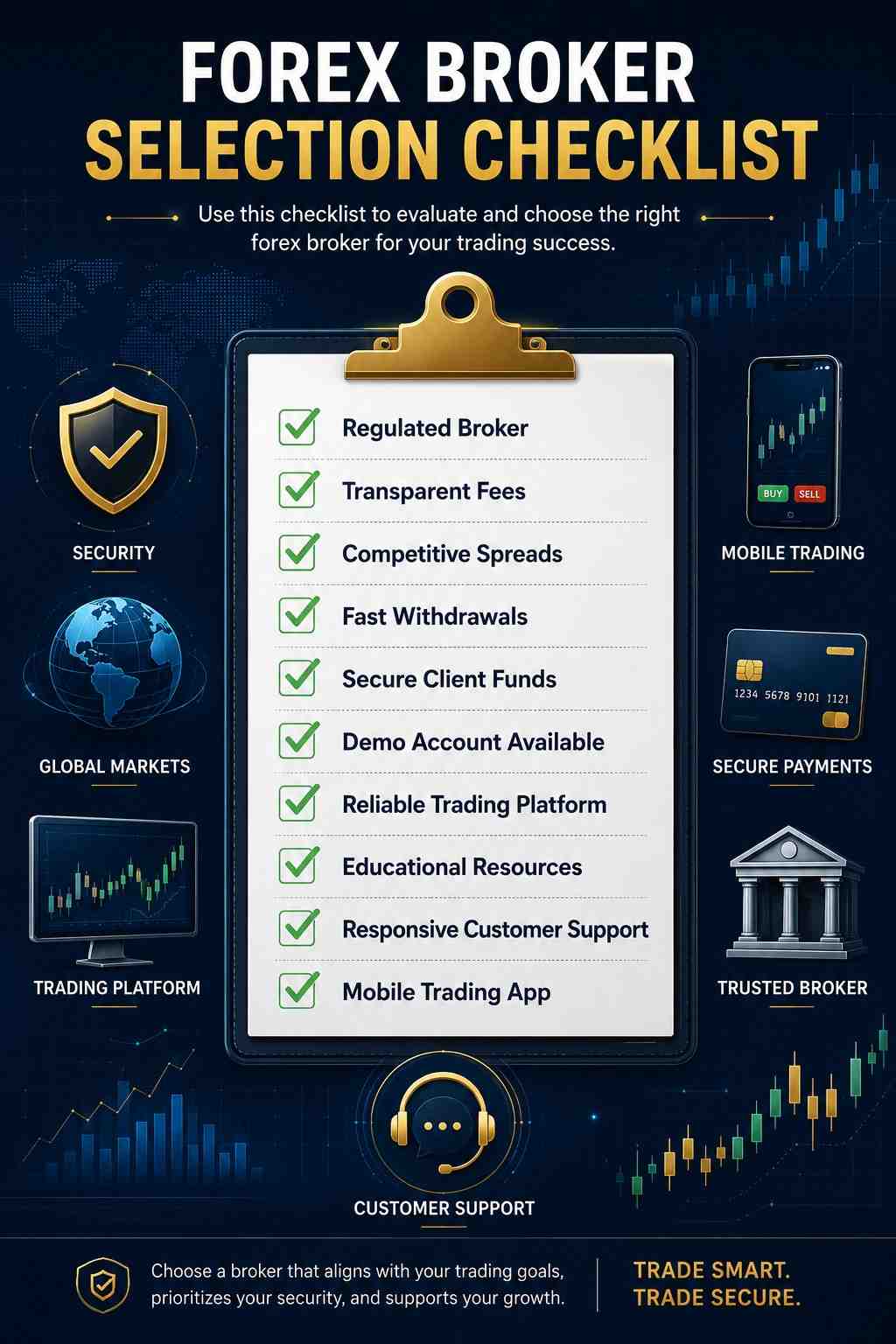
Advanced Forex Strategies: 15 Institutional-Grade Techniques for Consistent Profits

Advanced Forex strategiesโ€”15 institutional-grade techniques for consistent profits with smart money concepts and algorithmic trading.

Advanced Forex strategies are the bridge between retail gambling and professional trading. While basic strategies focus on simple indicators and hope, advanced approaches use institutional-grade techniques that professional traders and hedge funds deploy to achieve consistent profitability.

This comprehensive guide will teach you advanced Forex strategies that go beyond the basics. You will learn:

  • 15 institutional-grade trading strategies used by professionals
  • How Smart Money Concepts (SMC) reveals institutional footprints
  • Advanced risk management techniques for capital preservation
  • Algorithmic trading approaches for automated execution
  • How to combine strategies for a complete trading system

By the end, you will understand advanced Forex strategies well enough to elevate your trading from gambling to professional execution.


Advanced Forex strategies overview showing 15 institutional-grade techniques including SMC order blocks and algorithmic trading for consistent profits

Advanced Forex strategiesโ€”15 institutional-grade techniques for consistent profits


What Are Advanced Forex Strategies?

Advanced Forex strategies are crafted approaches that leverage detailed market analysis to identify optimal entry and exit points for trades. Unlike basic techniques, these strategies combine multiple technical tools and require a keen understanding of market behavior and trends.

Institutional Forex trading operates at a completely different level from retail trading. While retail activity continues to grow, most price discovery still comes from banks, hedge funds, and Forex trading institutions that operate through deep institutional FX liquidity networks and advanced execution systems. These large players shape spreads, volatility, and order flow by using models built on Forex institutional data, interbank pricing, and multi-venue routing.

๐ŸŽฏ Real-World Analogy: Think of retail trading like fishing with a rod from the shore. Advanced institutional trading is like operating a commercial fishing fleet with sonar and nets. Both catch fish, but the scale, efficiency, and consistency are entirely different. Advanced Forex strategies give you access to the sonar.


The Smart Money Concept (SMC): The Foundation of Advanced Trading

The Smart Money Concept (SMC) offers a radical shift in perspective from traditional retail trading. Instead of relying on lagging indicators like RSI and MACD, SMC focuses on the footprints left by the world’s largest financial institutions.

Why Retail Traders Struggle

Traditional retail trading is built on “lagging” information. Indicators like the Stochastic or RSI take past price data, smooth it out, and tell you what has already happened. By the time an indicator gives a “buy” signal, the big move is often already over.

The result: a staggering 90% of retail traders consistently lose money. This happens because retail indicators are designed to follow price action that has already occurred; they do not account for the massive capital injections required to move a currency pair.

Core Pillars of SMC

1. Market Structure: The Foundation

Market structure is the roadmap of the market. Price moves in a series of highs and lows.

  • Break of Structure (BOS):ย Occurs when the price continues in its current trend. In a bullish trend, when the price breaks above the previous “Higher High,” it creates a BOS, confirming the trend’s strength.
  • Change of Character (CHoCH):ย The first signal of a potential trend reversal. It happens when the price breaks the specific structural low or high responsible for the last “push” in the trend.

2. Liquidity: The Fuel

Liquidity is essentially “money sitting on the charts.” In SMC, we look for equal highs (EQH) or equal lows (EQL). Retail traders see these as “Strong Resistance” or “Strong Support” and place their stop losses just above or below them. Smart Money sees these as targets. They will “sweep” these levels to grab those stops before reversing the price.

3. Order Blocks (OB): Institutional Footprints

An Order Block (OB) is a specific candle or price zone where institutions previously placed massive orders that caused a significant move. These are effectively “supply and demand” zones on steroids. When the price returns to these zones, we often see a sharp reaction because institutions are “mitigating” (closing out or adding to) their remaining positions.

4. Fair Value Gaps (FVG)

An FVG occurs when there is an imbalance in the marketโ€”usually a massive, impulsive candle that leaves “holes” in the price action. Because the market seeks efficiency, it has a natural tendency to return to these gaps to “rebalance” the price before continuing its move.

5. Premium & Discount Zones

Smart money logic dictates that you should always “buy low and sell high”.

  • Discount Zone:ย Using a Fibonacci tool from the start to the end of a price move, anything below the 50% equilibrium is the “Discount” area (ideal for buying).
  • Premium Zone:ย Anything above the 50% equilibrium is the “Premium” area (ideal for selling).

Advanced Forex strategies Smart Money Concept showing market structure order blocks fair value gaps and liquidity sweeps for institutional trading

Caption: Figure 2: Smart Money Concept โ€” understanding institutional footprints in the market


15 Advanced Forex Strategies You Should Know

1. Hedging Forex

Hedging reduces exposure by taking offsetting positions, so gains on one trade cushion a loss on another. Traders pair correlated currencies and open opposite trades or use options and futures to lock in rates, controlling tail risk from volatility, leverage, and sudden news.

How It Works: If you’re long EUR/USD, you might short GBP/USD (which is correlated) or use options to protect your position.

Best For: Protecting existing positions, managing risk during uncertainty, and reducing drawdown.

2. Ichimoku Clouds

Ichimoku shows trend, momentum, and support and resistance through five plotted lines and the cloud area, letting you read market structure at a glance. Use the cloud position relative to price, crossovers between the Tenkan and Kijun lines, and the Chikou span to confirm entries, exits, and the strength of trends across time frames.

Key Components:

  • Tenkan-sen:ย Fast-moving average
  • Kijun-sen:ย Slow-moving average
  • Senkou Span A & B:ย The “cloud” defining support/resistance
  • Chikou Span:ย Lagging line confirming strength

Best For: Identifying trend direction, support/resistance, and momentum.

3. Counter Trading

Counter trading seeks short-term gains by entering against the prevailing move once momentum weakens, often using candlestick signals and rejection patterns. This requires precise entry at swing highs or lows, strict stop loss discipline above recent extremes, and small position sizing to survive false reversals in volatile markets.

Best For: Range-bound markets and catching reversals.

4. Swap Trading

Swap trading uses overnight interest differentials to earn or pay swaps when positions remain open until the next settlement time. In advanced Forex strategies, traders plan long or short positions based on expected rate differentials, central bank trajectories, and rollover fees, adding a carry component to price returns.

Best For: Long-term positions where interest rate differentials favor the trade.

5. Cross-Currency Triangulation

Triangulation exploits pricing relations among three currency pairs to improve execution and find small arbitrage or conversion gains without costly conversions to the US dollar. You calculate implied rates from two pairs to compare with the quoted third pair and then place trades where the math shows a temporary mismatch.

Best For: Detecting pricing inefficiencies across pairs.

6. Arbitrage Trading

In advanced Forex strategies, arbitrage involves buying a currency when it is cheap and selling it when it is rich, locking in a near risk-free profit while prices converge. Opportunities surface across platforms, time zones, or related pairs but vanish quickly as liquidity providers and algorithms correct the gap.

Best For: Fast, low-risk profits when price discrepancies exist.

7. Position Trading Strategy

Position traders hold trades through significant moves, ignoring short-term noise and relying on macro trends, economic fundamentals, and weekly or monthly charts to set entries. Position trading asks for disciplined risk controls, occasional rebalancing, and awareness of macro drivers like interest rate cycles and bond yields that influence currency direction.

Best For: Long-term investors who can weather volatility.

8. Non-Farm Payroll Trading

For advanced Forex strategies, NFP releases create sharp spikes in dollar pairs because they quickly update expectations for US growth and policy. Traders prepare by marking key technical levels, using straddle orders or scaled entries, and limiting exposure because spreads and slippage expand at release.

Best For: Traders comfortable with high volatility.

9. Bonds Spreads Trading

Bond spread trading links currency strength to relative yields and yield curve shifts between countries, turning fixed income signals into forex entries. When one country offers higher yields, capital may flow there, strengthening its currency.

Best For: Understanding the link between fixed income and currency markets.

10. Open Position Ratio

The open position ratio shows where retail and institutional money is concentrated and exposes crowded trades that may reverse during volatility. Compare the ratio with volume and price action to spot potential squeezes or contrarian opportunities.

Best For: Identifying extreme retail positioning.

11. Algorithmic Trading

Algorithmic systems execute predefined trading rules across markets, using indicators, statistical models, or machine learning to scan for setups and manage risk automatically. Good algo trading depends on robust backtesting, walk-forward analysis, and careful control of overfitting, slippage, and execution costs.

Best For: Systematic traders who want to remove emotions.

๐ŸŽฏ Real-World Example: Algorithmic trading uses precise risk-reward ratios and fixed position sizing rules. Targeting 1:2 risk-reward ratios means one winner pays for two losers. Programs execute the next instruction according to probability models, nothing more.

12. High-Frequency Trading

High-frequency trading uses ultra-low latency systems and colocated servers to exploit tiny price inefficiencies at scale, placing massive order flow with razor-thin margins. Success rests on execution speed, market microstructure expertise, and continuous risk controls.

Best For: Institutional traders with the necessary infrastructure.

13. Cointegration Trading

Cointegration identifies pairs whose price series share a long-term equilibrium, allowing temporary deviations to offer mean reversion trades with a statistical edge. Use tests like Engle Granger to validate relationships, set entry thresholds based on z scores, and manage risk with time-based exits or stop losses if the relationship breaks.

Best For:ย advanced Forex strategies, statistical arbitrage, and mean reversion.

14. Carry Trade

Carry trade borrows in a low-rate currency and funds a high-yielding currency to earn the interest differential, creating a passive income stream while exposed to spot moves. This strategy benefits from stable rate differentials and low volatility, but it suffers when risk appetite shifts and funding currencies strengthen.

Best For: Stable market conditions with clear rate differentials.

15. Mean Reversion

Mean reversion strategies enter after substantial deviations from moving averages or bands, expecting prices to drift back toward the mean, often using indicators like Bollinger Bands and moving average envelopes. You must calibrate entry thresholds, exit rules, and stop loss levels because trends can persist and cause significant losses if the market does not revert quickly.

Best For: Range-bound markets with clear mean levels.


Advanced Forex strategies comparison showing 15 techniques with risk profiles, timeframes, and best market conditions for each

Advanced Forex strategies โ€” comparison of 15 institutional-grade techniques

Algorithmic Trading: The Institutional Edge

Advanced automated systems are increasingly vital in modern forex trading. Institutional algorithms now generate more than 70% of daily FX volume, according to industry estimates. Manual retail traders face a latency disadvantage measured not in seconds but in hundreds of milliseconds.

The Execution Gap

FeatureInstitutional StandardRetail RealityAI Equalizer
Execution latency5โ€“50 microseconds (co-located)50โ€“600 ms (VPS/manual)VPS + EA reduces to ~50 ms
Market dataDirect Level 2 tick feedBroker-aggregated OHLCVAI filters noise from broker feed
Order routingSmart routing across ECNsSingle-broker STP/NDDThe algorithm selects optimal timing
Risk managementAutomated real-time exposure limitsManual position sizingEA enforces a fixed risk per trade
Operating hours24/5 automated systemsHuman fatigue limits coverageAlgo trades all sessions without rest

How Retail Traders Can Compete

Retail algorithmic trading closes the competitive gap through discipline, not raw speed. A retail expert advisor running on a dedicated VPS eliminates human hesitation, fatigue, and emotional overrideโ€”three failure modes that no institutional algo faces. Furthermore, retail algos operate smaller position sizes that slip through liquidity gaps institutions cannot access. Machine learning and advanced Forex strategies now allow retail systems to detect session-specific patterns that manual analysis misses at scale.

๐Ÿ’ก Pro Tip: The retail edge lies not in execution speed but in consistent rule-based decision-making across all market sessions. AI won’t replace retail traders, but traders using AI will replace those who don’t.

Algorithmic Trading Software Options

Platform TypeLearning CurveProp Firm CompatibilityCost Structure
Visual drag-and-drop builderLow โ€” no coding requiredHigh โ€” MT4/MT5 EA exportFreemium to ~$50/month
Script-based (MQL4/MQL5)Medium โ€” basic codingNative MT4/MT5 supportFree (broker-provided IDE)
Python + broker APIHigh โ€” full dev knowledgeVaries by firm API policy$0โ€“$200/month (hosting)
Cloud strategy platformsLow-medium โ€” GUI + logic blocksModerate โ€” API bridge required$30โ€“$150/month

Advanced Forex strategies algorithmic trading showing execution gap retail vs institutional and software options for automated trading

Algorithmic trading โ€” bridging the gap between retail and institutional execution


Advanced Risk Management Techniques

Advanced risk management separates consistent traders from those who blow up accounts.

The 3 Pillars of Algorithmic Profitability

  1. Validated Edge:ย The strategy must produce statistically significant positive expectancy across 500 or more backtested trades with out-of-sample confirmation.
  2. Dynamic Optimization:ย Prop traders run monthly or quarterly parameter reviews to prevent strategy decay as market regime shifts occur.
  3. Capital Efficiency:ย Algorithmic execution on a funded account amplifies a proven edge across institutional-scale capital without requiring personal risk capital.

Quantitative Risk Assessment Methods

Position sizing algorithms form the backbone of disciplined trading systems. Rather than risking fixed dollar amounts, successful traders calculate position sizes based on account percentages and volatility measurements. This approach adapts automatically to changing market conditions.

Correlation analysis prevents over-exposure to similar currency pairs, protecting your portfolio from concentrated risks. Understanding how EUR/USD correlates with GBP/USD helps diversify your positions effectively.


Advanced Forex strategies risk management showing position sizing correlation analysis and the 3 pillars of algorithmic profitability for traders

Advanced risk management techniques for consistent trading success


Common Mistakes with Advanced Strategies

MistakeWhy It’s a ProblemHow to Fix
Using too many strategiesDilutes focus and edgeMaster 2-3 strategies first
Ignoring market contextAdvanced Forex strategies fail in the wrong conditionsMatch advanced Forex strategies to the market regimes.
Over-optimizationCurve fitting historical dataUse out-of-sample testing
Neglecting risk managementEven great strategies fail without riskApply the 1% rule and stop losses
Trading without validationNo edge to exploitBacktest with 500+ trades
No algorithm oversightSystems can fail in extreme conditionsMaintain human monitoring

Conclusion: Elevate Your Trading

Advanced Forex strategies represent a significant step up from retail trading approaches. By understanding institutional logic, market structure, and algorithmic execution, you can bridge the gap between amateur and professional trading.

Key Takeaways:

  1. The Smart Money Concept reveals institutional footprintsโ€”order blocks, fair value gaps, and liquidity sweeps show where big players operate
  2. Choose strategies that match your personalityโ€”not every advanced strategy suits every trader
  3. Algorithmic trading provides a competitive edgeโ€”remove emotions and execute with precision
  4. Risk management is more important than strategyโ€”protect capital at all costs
  5. Validate everythingโ€”backtest, forward test, and optimize continuously

๐ŸŽฏ Final Thought:ย The competitive advantage shifts to traders who understand how to deploy advanced Forex strategies within a structured, rule-based framework. Mastering advanced Forex strategies requires time, discipline, and continuous learningโ€”but the rewards are worth the effort.


FAQ

1. What is the Smart Money Concept (SMC)?

SMC is a trading framework that focuses on the footprints left by institutional traders. It uses market structure, order blocks, fair value gaps, and liquidity sweeps to identify where big players are placing orders.

2. What is an order block in forex?

In advanced Forex strategies, an order block is a specific candle or price zone where institutions previously placed massive orders that caused a significant move. These act as supply/demand zones where the price often reacts strongly.

3. What is the difference between SMC and traditional technical analysis?

Traditional analysis uses lagging indicators like RSI and MACD. SMC focuses on price action, market structure, and institutional footprints. SMC traders look for where big players are active rather than waiting for indicator signals.

4. Can retail traders use algorithmic trading?

Yes, retail traders can use algorithmic trading through Expert Advisors (EAs) on MetaTrader platforms or no-code algorithmic trading software. The retail edge lies in consistent rule-based decision-making, not raw speed.

5. What is the best algorithmic trading software for beginners?

In advanced Forex strategies, no-code platforms with visual drag-and-drop interfaces are best for beginners. They require no coding knowledge and typically cost $30-50/month.

6. What are the most profitable advanced forex strategies?

Profitability in advanced Forex strategies depends on market conditions and execution. High-performing strategies include algorithmic trading, SMC-based order block trading, cointegration trading, and careful position trading. Success requires validation and risk management.

7. How do I validate an advanced trading strategy?

Use out-of-sample testing on at least 500 backtested trades, walk-forward analysis, and forward testing on a demo account before risking real capital.

8. What is the 1% rule in advanced trading?

Never risk more than 1-2% of your account on any single trade. This ensures you survive losing streaks and protect your capital.


Further Reading

To deepen your understanding of forex trading, explore these additional resources from Finwirestack:


External Resources (DoFollow Links)


Disclaimer: Trading forex and CFDs involves significant risk of loss. It is not suitable for all investors. You should carefully consider your investment objectives, level of experience, and risk appetite before trading. Never trade with money you cannot afford to lose. The information provided in this article is for educational purposes only and does not constitute financial advice.

Forex Trading Psychology: 7 Secrets to Master Your Mindset

Forex trading psychology featured image showing 7 secrets to master your mindset with brain icon and emotional control strategies

Forex trading psychology is the single most important factor separating successful traders from those who consistently lose money. According to recent research published in the Review of Behavioral Finance, traders’ responses to prior trading shocks exhibit a clear asymmetryโ€”after small shocks, whether gains or losses, traders become more risk-averse, but after large shocks, especially gains, they become increasingly risk-seeking. Understanding this psychological pattern is essential for long-term survival in the forex market.

This comprehensive guide will teach you forex trading psychology fundamentals, helping you identify and overcome emotional biases that destroy trading accounts. You will learn:

  • The 7 most dangerous emotions in trading and how to control them
  • How recent research reveals the nonlinear nature of risk preferences
  • Practical strategies to build emotional discipline
  • How to create a trading plan that protects you from yourself
  • Real-world examples of psychological traps and how to avoid them

By the end, you will understand forex trading psychology well enough to trade with confidence, discipline, and emotional controlโ€”even during market volatility.


Forex trading psychology emotional traps showing fear greed hope anger and FOMO with solutions for beginners

Forex trading psychologyโ€”mastering your emotions is the key to consistent profits


What Is Forex Trading Psychology?

Forex trading psychology refers to the mental and emotional state of a trader when making decisions. It is as importantโ€”if not moreโ€”than fundamental and technical analysis because emotions usually override logic. When traders act based on emotions rather than logic, they tend to close trades too early, take on unnecessary risks, and refuse to accept that losses are part of the game.
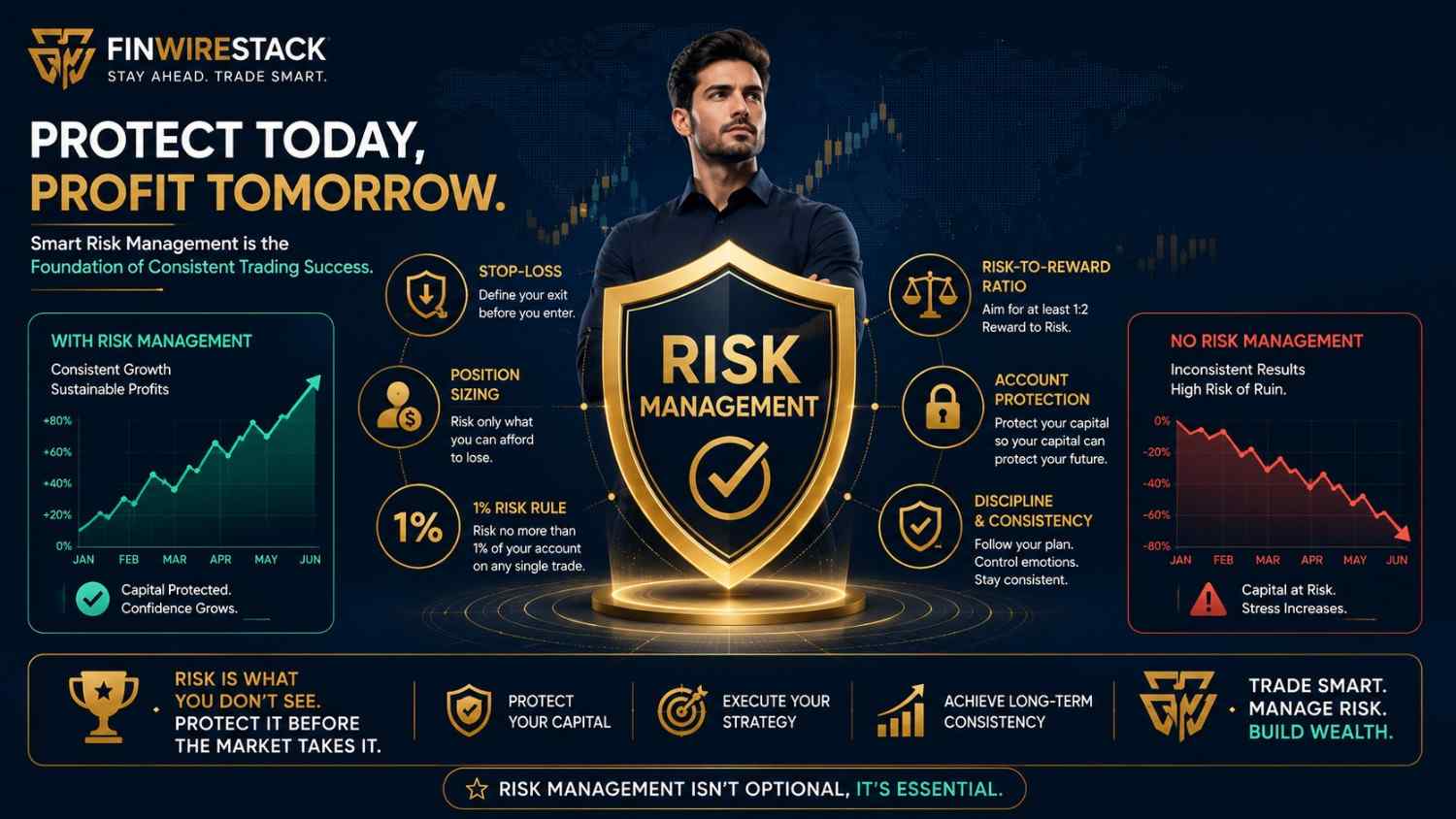
According to industry experts, the trader’s mindset is equally important to the trading strategy. Various industry reports suggest that many retail traders fail to earn consistent profits due to emotional decision-making, lack of strategy, and poor risk management. This often happens when beginners spend most of their time learning how to read charts and use technical indicators without spending time learning about their own forex trading psychology or how market movements affect their emotions.

๐ŸŽฏ Real-World Analogy: Trading psychology is like a pilot’s ability to stay calm during turbulence. The instruments (your trading strategy) tell you what’s happening, but if you panic, you’ll make wrong decisions. A calm pilot follows the instruments and lands safely, even in a storm.


The 7 Most Dangerous Emotions in Trading

Research and expert analysis consistently identify seven emotions that derail traders. Understanding how forex trading psychology works means recognizing these emotions before they take control.

1. Greed

Greed is the temptation to behave irrationally in search of excessive profit. When a trader wants to buy more of a position that has performed well but doesn’t have the capital, leverage may provide the fuel to add to positions. Borrowing money to take excessively large positions could be a sign of greed.

๐ŸŽฏ Real-World Example: A trader wins three trades in a row. Overconfidence takes over, and they increase their position size to 10% of their accountโ€”well above the recommended 1-2%. The next trade goes against them, wiping out all three previous profits and more.

How It Appears: Greed often tells you to ignore your profit target because the price might slightly rise. But by holding on to a position for too long, a winning trade could turn into a losing one after unexpected news.

The Fix: Set profit targets and stick to them. Lock in profits earlyโ€”you’re less likely to see a winning trade turn against you.

2. Fear

“Trading fear” refers to the anxiety caused by the possibility of loss, real or imagined. Traders might experience four types of fear: fear of missing out (FOMO), fear of loss, fear of being wrong, and fear of letting a win turn into a loss.

๐ŸŽฏ Real-World Example: A trader has experienced three consecutive losses. Fear paralyzes them, and they hesitate to enter a new trade even when their setup appears. They watch the price move in their predicted direction without profiting.

How It Appears: Fear can push traders to exit trades too early, causing them to miss out on potential profits or even prevent them from entering trades altogether.

The Fix: Use a well-defined trading plan. When fear arises, refer back to your planโ€”it was created when you were calm and objective. Use stop-loss orders to limit potential losses.

3. Hope

Hope is a double-edged sword that can both help and harm your trading strategy. While it’s nice to be positive, hope can easily make you deny that trades start going bad.

๐ŸŽฏ Real-World Example: You buy EUR/USD at 1.1050, and it drops to 1.1000. Instead of cutting your losses, you hold on, hoping the price will recover. It drops further to 1.0950. Your small loss has become a large loss.

How It Appears: If you hold onto a losing position for too long, waiting for the market to turn around, the losses usually get bigger instead of reducing.

The Fix: Accept that losses are part of trading. Replace hope with objectivity. If your stop-loss is hit, accept the loss and move on. Professional traders don’t hopeโ€”they act.

4. Anger and Revenge Trading

Anger is an intense emotional state felt when a trade has gone wrong. It might drive you to make a rash decision to exit a position early if you’re mad about its short-term performance.

๐ŸŽฏ Real-World Example: You lose $200 on a bad trade. Instead of stopping to analyze the mistake, you immediately place another trade with double the position size, hoping to win back losses. Often, this leads to an even bigger loss.

How It Appears: Revenge trading is an impulsive, emotion-driven behavior where a trader immediately enters new, often larger, trades to recover recent financial losses. Driven by anger, frustration, or a bruised ego, the trader abandons risk management in an attempt to “get back” at the market. This can be a fast track to an empty account.

The Fix: Take a break after losses. Step away from the screen and reflect. Losses are part of the business. Review what went wrong before returning to the market.

5. Pride and Overconfidence

You can experience pride from repeated trading success. But this success could make you feel like you’re guaranteed to make money, blinding you to taking on extra risk that could lead to losses.

๐ŸŽฏ Real-World Example: A trader experiences a winning streak and becomes convinced they’ve “figured out” the market. They start ignoring their risk management rules and take oversized positions. The market shifts, and they lose everything.

How It Appears: After major wins, traders often increase position size and relax discipline. This pattern repeats throughout trading careers. Overconfidence, or an inflated ego, often stems from a streak of successful trades, leading traders to undertake bigger-than-normal risks.

The Fix: Balance your confidence with realism. Despite winning big, remind yourself of your trading strategy and don’t trade with money you can’t afford to lose. Confidence must be grounded in process, not outcomes.

6. Impatience

Impatience is the inability to wait, which usually appears as intolerance, irritability, or restlessness. Impatient traders can feel frustrated and abandon carefully crafted plans.

๐ŸŽฏ Real-World Example: You see the market moving fast and feel the urge to “get in on the action” without waiting for confirmation. You enter impulsively, and the price immediately reverses.

How It Appears: Theย trader enters too early, exits too early, fails to wait for confirmation, and wants every trade to be profitable instantly.

The Fix: Patience is a superpower in trading. Wait for the proper setup before opening a position and enable winning trades to develop over time. If you make impulsive decisions, you turn potential profits into losses.

7. FOMO (Fear of Missing Out)

FOMO is a common phenomenon in trading. Driven by envy that others are making profitable trades while you are not, traders often make impulsive, ill-timed decisions, such as entering trades without proper analysis or overtrading.

๐ŸŽฏ Real-World Example: You see a currency pair rallying sharply and hear others talking about their profits. You rush in without analysis, buying at the top. The price reverses, and you’re stuck with a losing position.

How It Appears: FOMO has become a part of the markets with the rise of social media and online trading communities. Chatter on these channels can lead to some traders believing that if they don’t act now, they could miss out on a potentially lucrative opportunity to get rich.

The Fix: The key to overcoming FOMO is to develop a well-researched trading strategy and stick to it, regardless of market hype or the actions of others. Markets will always offer opportunitiesโ€”don’t chase them.


Forex trading psychology emotional traps showing fear greed hope anger and FOMO with solutions for beginners

The 7 most dangerous emotions in forex trading and how to control them


The Science of Risk Preferences: What Research Reveals

Recent academic research has uncovered critical insights about forex trading psychology that every trader should understand. A comprehensive study published in the Review of Behavioral Finance analyzed over 349,000 daily retail trading records to understand how traders respond to gains and losses.

Key Research Findings

Finding 1: Nonlinear Risk Preferences

Traders’ responses to prior shocks exhibit clear asymmetry. After small shocks, whether gains or losses, traders become more risk-averse. In contrast, after large shocks, especially gains, they become increasingly risk-seeking.

What This Means: After a small loss, a trader might become cautious. But after a big win, they become overconfident and take excessive risksโ€”often leading to disaster.

Finding 2: The Switching Point

The switching point between risk aversion and risk seeking lies deeper in the loss domain. This means traders tolerate more losses before becoming risk-seeking compared to gains.

Finding 3: Effects Scale and Fade

These effects scale with shock levels and fade over time. The bigger the win, the more overconfident the trader becomes. But over time, emotions normalizeโ€”unless the trader experiences another shock.

Practical Implications

These findings have profound implications forย forex trading psychology:

  1. After big wins: Recognize that you are statistically more likely to take excessive risks. Reduce position size intentionally to counter this bias.
  2. After small losses: This is actually a good time to tradeโ€”you’re more cautious and risk-aware.
  3. After big losses, you may become overly risk-averse, missing opportunities. But this is also when you’re most vulnerable to revenge trading.
  4. The cycle continues: High returns create overconfidence, which increases risk-taking, which eventually leads to large lossesโ€”restarting the cycle.

๐ŸŽฏ Real-World Application: If you just had a big winning streak, immediately reduce your position size by 50%. You might feel confident, but research shows that’s exactly when you’re most likely to make mistakes.


Forex trading psychology cycle showing early success, overconfidence, rule-breaking drawdown and collapse with solutions

The trader’s psychological cycleโ€”recognize it before it destroys your account


How to Build Your Trading Plan for Psychological Success

A trading plan is a road map that outlines the objectives you hope to accomplish, your risk/reward profile, and the trading approach you feel most comfortable with. It acts as a powerful tool to prevent emotional decision-making. If your screen is filled with multiple indicators and flashing news feeds, your brain could experience ‘analysis paralysis’โ€”a state where a decision or action is never taken.

The 3 Core Questions

Your plan should answer three questions :

  1. What is my specific trigger to enter a trade?
  2. Where will I exit if the market moves unfavorably?
  3. Where will I set my take-profit if the trade moves in my favor?

Trading Plan Checklist

ElementWhat to IncludeWhy It Matters
Market SelectionWhich pairs do you tradeAvoids random decisions
TimeframeH1, H4, Daily, etc.Prevents timeframe confusion
Entry RulesSpecific conditions for entryRemoves impulse entries
Exit RulesStop-loss and take-profit levelsProtects capital
Risk Per Trade1-2% maximumEnsures survival
Daily/Weekly Loss LimitStop trading after X lossesPrevents revenge trading
Review ScheduleWeekly journal reviewEnables continuous improvement

The Power of Journaling

Keeping a trading journal is a good way to keep your emotions in check while trading. A journal reminds you of why you entered a trade.

What to Record:

  • Date and time of entry and exit
  • Chart screenshot
  • Entry/exit price and position size
  • Stop-loss and target
  • Result of the trade
  • Emotions and reasoning behind the trade
  • Whether the trade followed your plan 

Why It Works:ย When you look back through your notes, patterns start to emergeย . Perhaps you’ll see that you frequently exit the market too soon when it’s still moving in your favour, indicating that you lack patience. Or you may observe that you sometimes dive in without a clear plan, which usually backfires. Over time, the journal becomes more than a record but a tool that shows you what’s working, what isn’t, and how to adjust.


Forex trading psychology journal template showing trade details, emotions, and lessons learned for beginners

The trading journalโ€”your most powerful tool for mastering trading psychology


Risk Management and Trading Psychology

Good trading psychology requires smart risk management. When managing their emotions, traders are also capable of managing risks better. If traders are calm, they set the right stop-loss orders and do not move them because they feel bad after a losing trade.

The 1% Rule

The most important rule inย forex trading psychologyย is the 1% rule: never risk more than 1-2% of your trading capital per trade. Ignoring this rule can wipe out months of profits in a single mistake.

Example:ย A trader with $10,000 capital risks $5,000 on one trade because they feel “confident.” If the trade goes wrong, half the account is gone. Recovering from such a loss requires a 100% gain, which is extremely difficult.

Why Risk Management Prevents Emotional Trading

Risk Management PracticePsychological Benefit
Small position sizesReduces stress and fear
Stop-loss ordersRemoves fear of “what if”
Profit targetsPrevents greed from taking over
Daily loss limitsPrevents revenge trading
Correlation awarenessPrevents overexposure

Forex trading psychology and risk management showing position sizing stop-loss and the 1 percent rule for beginners

Caption: Figure 5: Risk management is the foundation of trading psychology


Common Psychological Mistakes and How to Avoid Them

Trading psychology mistakes are often the difference between success and failure. Here are the most common, based on expert analysis:

1. Revenge Trading

The Mistake:ย After a loss, traders immediately jump into another trade, desperate to recover.

The Cost:ย Poor entries, disregard for setups, and compounding losses.

The Fix:ย Accept losses as part of the business. Take a break after significant drawdowns. Review what went wrong before returning to the market.

2. Overtrading

The Mistake:ย Taking too many trades in a day or week, often without solid setups.

The Cost:ย High transaction costs, emotional fatigue, and poor decision-making.

The Fix:ย Focus on quality, not quantity. A single high-probability setup can be more profitable than 10 random ones. Define your trading plan and stick to it.

3. Ignoring Market Conditions

The Mistake:ย Applying the same approach regardless of volatility, liquidity, or trend conditions.

The Cost:ย Misaligned tradesโ€”trend-following in sideways markets or scalping in low-volume environments.

The Fix:ย Always assess market structure before trading. Identify whether the market is trending, consolidating, or reversing.

4. Forgetting Risk Management

The Mistake:ย Ignoring position sizing and failing to use stop-loss orders.

The Cost:ย One bad trade wipes out weeks of profits.

The Fix:ย Never risk more than 1-2% of your account per trade. Always define exit points before entering.

5. Trading Without Education

The Mistake:ย Jumping into trading with little knowledge, believing you can “figure it out as you go.”

The Cost:ย Losses due to a lack of understanding of market fundamentals, technical analysis, and risk-reward.

The Fix:ย Treat trading as a lifelong learning process. Read, backtest, follow credible analysts, and review your trades weekly.


Lessons from History: Jesse Livermore’s Trading Psychology

Jesse Livermore, one of the most successful speculators in history, understoodย forex trading psychologyย before the term even existed. His life offers profound lessons for modern traders.

1. Price Over Opinion

“The market is never wrong. Opinions often are.” 

Livermore’s core belief was that price action represents the final verdict of the market. He learned that no matter how compelling a story or narrative might appear, price behavior always takes precedence.

Application:ย Never allow news to override price structure. Let price action confirm whether the market agrees with the narrative.

2. Patience as a Competitive Advantage

“There is a time to go long, a time to go short, and a time to go fishing.” 

Livermore’s greatest strength was not constant activity but selective engagement. Forex markets trade 24 hours a day, creating the illusion of endless opportunity.

Application:ย Define when not to trade. Avoiding low-quality market conditions is a professional decision, not a missed opportunity.

3. Letting Winners Run

“It was never my thinking that made the big money for me. It was my sitting.” 

Livermore’s biggest profits came from holding winning positions, not frequent trading. Modern forex traders often do the opposite: taking profits too early while holding losing trades due to hope .

Application:ย Define trade invalidation, not prediction. Trail winners using structure or volatility. Add to positions only when price confirms strength.

4. The Psychological Cycle

Many traders unknowingly repeat Livermore’s psychological cycle: early success, overconfidence, rule-breaking, drawdown, desperation, and collapse. Recognizing this cycle early allows traders to intervene before damage becomes irreversible.

Application:ย Fixed rules that do not change with emotion, regular trading reviews, and scheduled breaks from markets.


Practical Strategies to Improve Your Trading Psychology

Based on expert analysis and research, here are proven strategies to strengthen yourย forex trading psychology:

1. Practice Through Paper Trading

Paper trading gives you a chance to assess how you would react in certain situations and also refine your reactions and emotional responses.

2. Keep a Trading Journal

A trading journal forces you to write down every decision, which makes it easier to see what’s actually working and what’s costing you money.

3. Take Breaks After Losses

When you take a series of losses, it is always advisable to take a break. Taking a break not only pauses the cycle of losses but also allows you to reflect on things you may have done wrong and how to approach your trades better.

4. Develop a Disciplined Trading Routine

Establish a disciplined trading routine. This includes consistent analysis, following your trading plan, and staying up to date with the latest financial news. Discipline helps you avoid impulsive decisions.

5. Set Realistic Goals

Consider your experience, available capital, risk tolerance, and the overall movements of the market. Make sure that you set goals that are clear and achievable.

6. Identify Your Personality Traits

When actively trading, maintain awareness of individual personality traits that could impact decision-making.

7. Research and Learn Continuously

Spend adequate time researching and learning about a security before investing. The market is always changing, and so are the reactions of market participants.


Conclusion: Master Your Mindset, Master the Market

The human side of forex trading is just as important as technical skills or having knowledge about the markets. Fear, hope, and patience can either guide your journey or lead to multiple mistakes based on how you manage them.

An effective trader is not someone who does not feel these emotions. It is someone who understands them and remains disciplined, irrespective of what is going on in the market. If you combine self-control with smart strategies, you can make more confident trading decisions, avoid emotional trading, and build a more strategic trading journey that lasts longer.
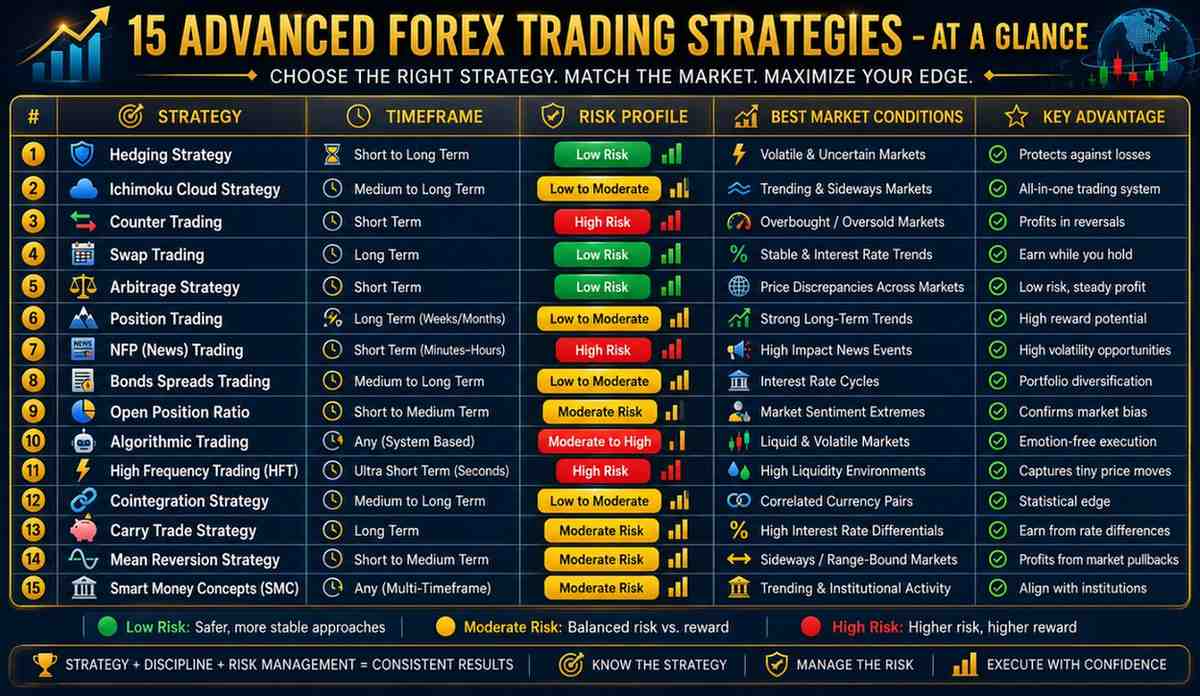
Key Takeaways:

  1. Understand your emotions โ€” Greed, fear, hope, anger, and FOMO are your biggest enemies
  2. Recognize the psychological cycleโ€”Early success โ†’ Overconfidence โ†’ Rule-breaking โ†’ Collapse
  3. Follow the 1% ruleโ€”Never risk more than 1-2% of your account per trade to master your Forex trading psychology
  4. Keep a trading journalโ€”Record every trade, including your emotional state
  5. Take breaks after lossesโ€”Prevent revenge trading psychology
  6. Stick to your trading planโ€”it was created when you were calm
  7. Accept losses as part of tradingโ€”They are tuition fees paid to the market

๐ŸŽฏ Final Thought:ย The markets will always be uncertain. A trader’s job is not to predict perfectly but to manage risk, follow discipline, and protect capital. In trading, survival is success, and wisdom is the ultimate edge. Trade wisely and master your Forex trading psychology.


FAQ

1. What is trading psychology?

Trading psychology is the mental and emotional state you experience when trading. It refers to aspects of a trader’s behavior that influence the decision-making process when trading securities.

2. Why is trading psychology important?

It is as importantโ€”if not moreโ€”than fundamental and technical analysis because emotions usually override logic. Understanding your trading psychology can be key to your performance as a trader.

3. What are the most common emotional biases in trading?

The most common emotional biases are greed, fear, hope, anger, pride, impatience, FOMO, confirmation bias, anchoring bias, and the gambler’s fallacy.

4. How can I control my emotions while trading?

Create a solid trading plan, manage risk with the 1% rule, use stop-loss orders, keep a trading journal, and take breaks after losses to master your Forex trading psychology.

5. What is revenge trading, and why is it dangerous?

Revenge trading is an impulsive, emotion-driven behavior where a trader immediately enters new, often larger, trades to recover recent financial losses. Driven by anger or frustration, the trader abandons risk management, leading to even bigger losses.

6. What is the 1% rule in trading?

The 1% rule means you never risk more than 1-2% of your trading account on any single trade. This ensures that a few losing trades don’t destroy your entire account.

7. How does a trading journal help with psychology?

A trading journal forces you to write down every decision, making it easier to see what’s actually working and what’s costing you money. Patterns emerge that help you identify emotional triggers.

8. What should I do after a big loss?

Take a break from trading. Review what went wrong. Accept the loss as part of the business. Return when you are calm and can think clearly.

9. What is FOMO in trading?

FOMO (Fear of Missing Out) is the feeling of pressure to rush into trades without proper analysis because others are profiting. It often leads to poor timing and regretful choices.

10. How can I overcome overconfidence?

Balance your confidence in Forex trading psychology with a dose of realism and skepticism. Despite winning big, remind yourself of your trading strategy and don’t trade with money you can’t afford to lose.


Further Reading

To deepen your understanding of forex trading and psychology, explore these additional resources from Finwirestack:


External Resources (DoFollow Links)


Disclaimer: Trading forex and CFDs involves significant risk of loss. It is not suitable for all investors. You should carefully consider your investment objectives, level of experience, and risk appetite before trading. Never trade with money you cannot afford to lose. The information provided in this article is for educational purposes only and does not constitute financial advice.

How to Trade Forex News: 2026 Guide to Profiting from Economic Events

How to trade forex news featured image showing economic calendar NFP CPI and interest rate trading strategies for 2026

How to trade forex newsย is one of the most powerful skills a trader can develop. Every month, a single numberโ€”Non-Farm Payrolls, CPI, or an interest rate decisionโ€”moves billions of dollars through the currency markets in minutes. EUR/USD can swing 100 pips before most traders finish their coffee.

But here is the truth that most beginners discover the hard way:ย learning how to trade forex newsย isn’t about predicting the number. It’s about understanding market expectations and trading the surprise. As one experienced trader put it, markets don’t move on the news itselfโ€”they move on the deviation between what was expected and what actually happened.

This comprehensive guide will teach youย how to trade forex newsย with confidence. You will learn:

  • Which economic events actually move the market
  • The three proven news trading strategies
  • How to manage risk during volatile releases
  • Real-world examples and practical setups
  • Common mistakes to avoid

How to trade forex news overview showing economic calendar NFP CPI and interest rate decisions with trading strategies for beginners

How to trade forex news โ€” mastering economic events in 2026


What is Forex News Trading?

How to trade forex newsย starts with understanding what it actually means. News trading is a strategy where traders take positions based on scheduled economic releases and events that impact currency values. Instead of relying purely on technical analysis, you are trading the market’s reaction to new information.

The core idea is simple: economic data affects a country’s currency. Strong employment numbers typically strengthen a currency. Unexpected inflation might trigger rate hike expectations. Central bank statements can shift sentiment in seconds.
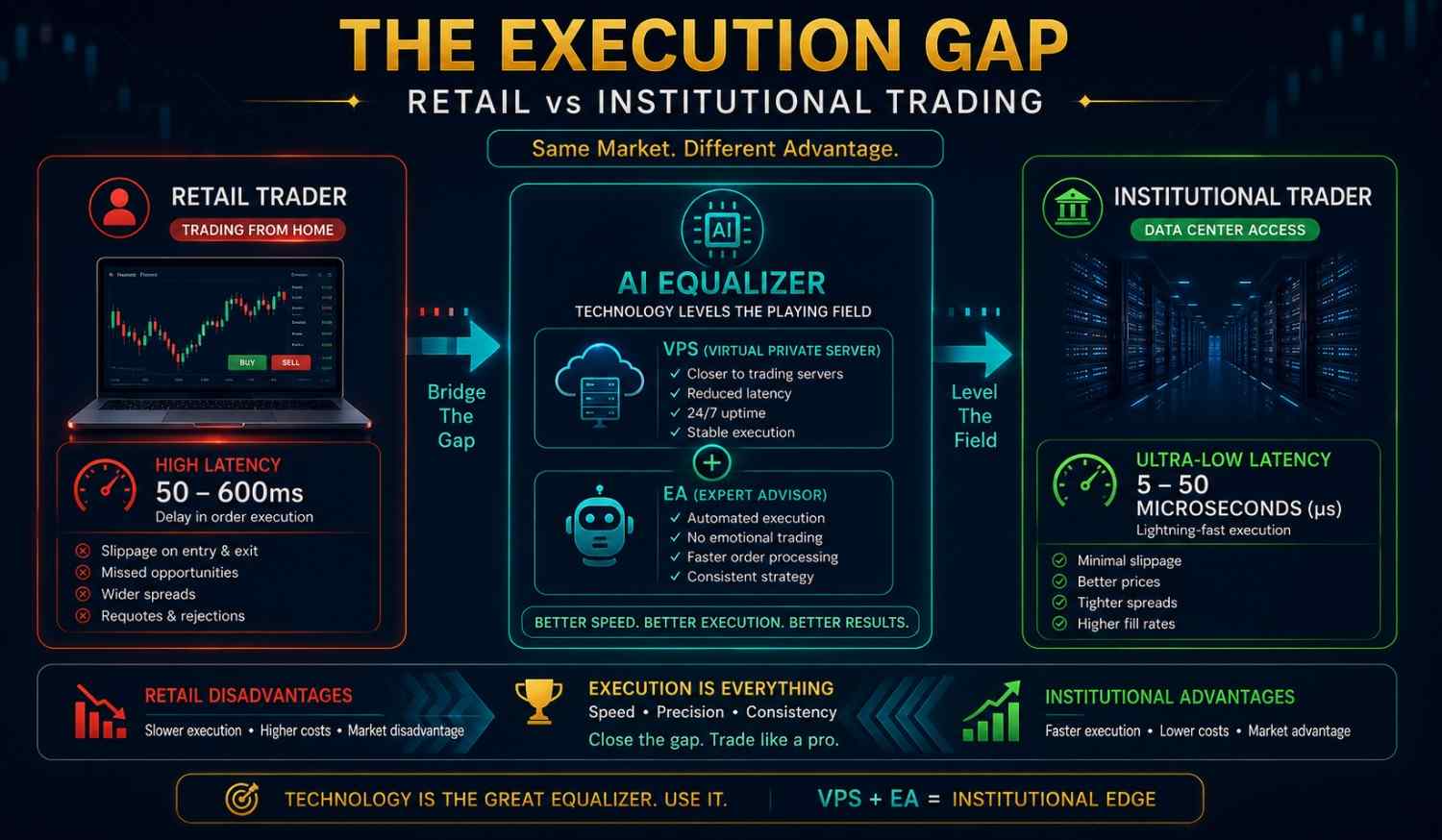
But here is the key insight most beginners miss:ย how to trade forex newsย effectively means understanding that markets don’t move on the news itselfโ€”they move on the surprise.

How News Actually Moves the Forex Market

Before any major release, analysts publish forecasts. Traders and institutions position themselves based on these expectations. By the time the news hits, much of the “expected” outcome is already priced in.

What moves markets is the deviationโ€”the difference between what was expected and what actually happened.

Real-World Example:

  • NFP Forecast: +180,000 jobs
  • Actual Result: +250,000 jobs
  • Market Reaction: USD strengthens (better than expected)

Now imagine the same +250,000 result, but the forecast was +300,000. Same number, opposite reactionโ€”because the market expected more. This is why successful news traders don’t just know what the data is. They know what the market expected, and they trade the gap.
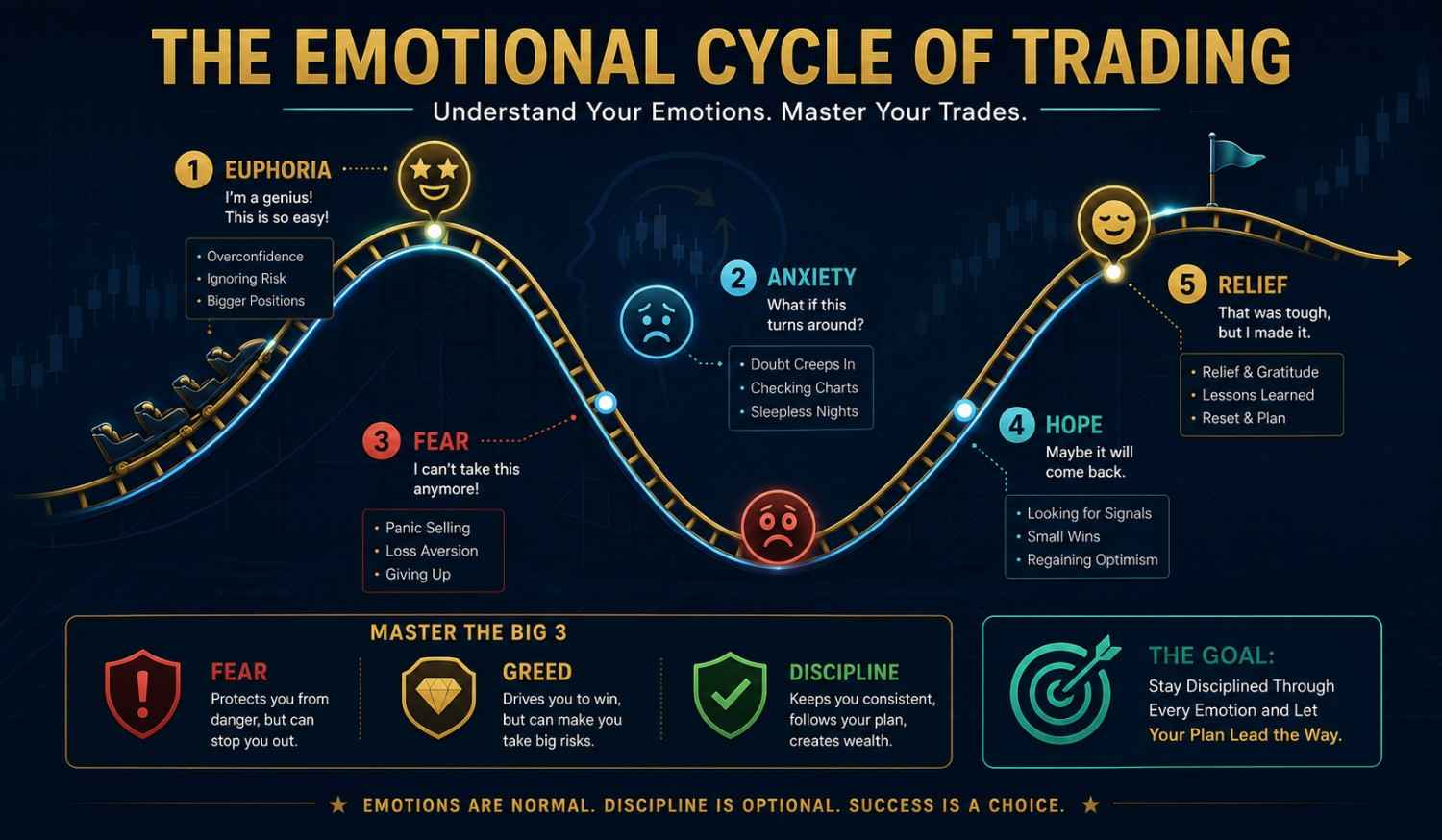

How to trade forex news economic calendar showing high impact events NFP CPI and interest rate decisions with forecasts for 2026

The economic calendarโ€”your essential tool for how to trade forex news


Key Economic Events Every Trader Should Know

Not all news is created equal. Some releases consistently move markets. Others barely register. Understanding which events matter is the first step inย how to trade forex newsย effectively.

High-Impact Events (Major Market Movers)

EventCurrencyFrequencyWhy It Matters
Non-Farm Payrolls (NFP)USDMonthly (1st Friday)Primary measure of US employment health 
Interest Rate DecisionsAll majors6-8x per yearDirectly affects currency value and carry trades 
CPI (Inflation)All majorsMonthlyInfluences central bank policy decisions 
GDPAll majorsQuarterlyBroad measure of economic growth 
Central Bank SpeechesAll majorsVariableForward guidance can shift expectations 

Medium-Impact Events

  • PMI (Purchasing Managers Index)ย โ€” Manufacturing and services healthย 
  • Retail Salesย โ€” Consumer spending trendsย 
  • Employment Dataย โ€” Unemployment rate, jobless claimsย 
  • Trade Balanceย โ€” Import/export dynamicsย 

Central Banks to Watch

Central BankCurrencyKey Focus
Federal Reserve (Fed)USDInterest rates, employment, inflation 
European Central Bank (ECB)EURPrice stability, economic growth 
Bank of England (BoE)GBPPrice stability, financial stability 
Bank of Japan (BoJ)JPYPrice stability, economic growth 

Tools You Need to Trade Forex News

Before trading any news event, you need to know when it’s happening and what the market expects. Here are the essential tools forย how to trade forex news.

Economic Calendars

An economic calendar shows upcoming releases with their scheduled times, previous values, and analyst forecasts. The essential ones:

  • Forex Factory Calendarย โ€” Industry standard, clean interfaceย 
  • Investing.comย Calendarย โ€” Comprehensive with impact ratingsย 
  • Your broker’s calendarย โ€” Often integrated into the trading platformย 

Reading the Calendar

Every economic calendar shows three numbers when studying how to trade forex news:

  • Previous:ย Last month’s or quarter’s result
  • Forecast:ย Analyst consensus expectation
  • Actual:ย The real number (released at the scheduled time)

The trading opportunity lies in the gap between the forecast and the actual. Bigger surprise = bigger potential move.

Setting Up Alerts

Most calendars let you set alerts for upcoming events. Set reminders 15-30 minutes before high-impact releases, so you’re preparedโ€”whether that means entering a position or staying flat.


How to trade forex news strategies including straddle wait and see and fade the move with real examples for beginners

Three proven strategies for how to trade forex news events


Three Proven News Trading Strategies

There are three distinct windows around any scheduled release, and each one calls for a different approach. The timing window you choose should match your risk tolerance and experience level.

Strategy 1: The Straddle Strategy (Trading During the News)

Best for: Traders comfortable with high volatility and fast execution 

This is the classicย how to trade forex newsย approach. About two minutes before the release, place buy and sell stop orders roughly 20 to 30 pips above and below the current price. When the data prints, one order triggers. Cancel the unfilled order immediately.

How it works in practice:

  1. Identify the news event (e.g., NFP at 8:30 AM ET)
  2. Two minutes before, place Buy Stop at current price + 3 pips and Sell Stop at current price – 3 pips
  3. Set Take Profit at 45 pips and a trailing stop-loss
  4. When one order triggers, cancel the other immediately
  5. The trailing stop-loss automatically manages the trade as the price moves

A Word of Caution:ย Spreads on EUR/USD can widen from a normal 1 pip to 10 pips or more during NFP. Some brokers also requote or delay execution. Factor this into your position sizing, so your worst-case fill stays within your predefined risk limits.

An Automated Approach:ย Some traders use bots to execute this strategy automatically. A popular open-source Forex NewsTrading Bot connects to MetaTrader 5, places buy stop and Sell Stop orders before the news, and manages trades with a trailing stop-loss once one order is triggered.


Strategy 2: The Wait-and-See Approach (Trading After the News)

Best for: Cautious beginners who want to reduce risk 

This is the safest way to trade news. Instead of trying to catch the initial spike, you wait for the dust to settle and trade the established direction.

How it works:

  1. Identify a high-impact news event on your calendar
  2. Stay flat (no position) when the news releases
  3. Wait 15-30 minutes for the initial volatility to calm
  4. Identify the direction the market has chosen
  5. Enter in that direction with a clear stop-loss

Why it works:ย You avoid the chaos of the initial releaseโ€”the widened spreads, the slippage, the fake-outs. By waiting, you get a clearer picture of where the market actually wants to go.

Trade-off:ย You’ll miss the biggest part of the move. But you’ll also avoid getting caught in whipsaws.

Real-World Example:ย After NFP, currency pairs can spike 80 pips in one direction, only to completely reverse within 15 minutes. By waiting, you can avoid the fake-out and trade the real trend.


Strategy 3: Fade the Overreaction (Counter-Trend Strategy)

Best for:ย More experienced traders with solid chart-reading skills, not when learning how to trade forex newsย 

Markets often overreact to news in the first few minutes. This strategy involves waiting for an exaggerated move, then trading the reversal back toward pre-news levels.

How it works:

  1. Watch the initial reaction to the news
  2. Look for signs of exhaustion (long wicks, stalling momentum)
  3. If the move looks overdone, enter against it
  4. Target a partial retracement (50-61.8% of the move)
  5. Use a tight stop beyond the extreme

Warning:ย This is riskier than the other strategies. Sometimes the “overreaction” is actually the beginning of a larger trend. Only use this if you’re confident reading price action with good knowledge of how to trade forex news.

Example:ย The BoE’s December 2025 meeting delivered a rate cut that was almost certain (priced above 90%). The cut came, but the pound went up because the vote was a razor-thin 5 to 4 split, and Governor Bailey’s tone was cautious: “With every cut we make, how much further we go becomes a closer call.” Traders who simply shorted the pound expecting the cut to weaken it got it wrong. Those who waited for the press conference and read the tone correctly caught the real move.


How to trade forex news risk management showing position sizing stop loss placement and slippage protection for beginners

Risk management is essential when learning how to trade forex news


Risk Management for News Trading

News trading amplifies both opportunities and risks. Standard risk management isn’t enoughโ€”you need to account for the unique challenges of volatile markets when studying how to trade forex news.

Reduce Position Size

If your normal risk is 1-2% per trade, consider cutting that in half during news events. The increased volatility means larger movesโ€”and larger potential losses.

How to Apply when Learning how to Trade Forex News:

  • Normal position: 0.10 lots (1% risk)
  • News trade position: 0.05 lots (0.5% risk)
  • This protects you from unexpected whipsawsย 

Widen Your Stops (Or Don’t Trade)

Tight stop-losses don’t work during news. A 20-pip stop can get hit in seconds by normal volatility, even if your direction is ultimately correct. Either widen your stop to account for the noise, or wait until the market settles.

Tip:ย You will note that some traders place stops at least 50-100% wider than normal technical analysis would suggest. You can achieve this when learning how to trade forex news

Expect slippage.

Your order might not fill at your intended price. During fast markets, slippage of 5-15 pips is common. In extreme cases, it can be much worse. Factor this into your risk calculations.

What is Slippage?ย When your trade executes at a different price than requested. Usually occurs during high volatility (news events) or low liquidity.

Watch the Spread

Spreads can widen dramatically during news, sometimes 5-10x their normal levels. A pair that normally has a 1-pip spread might jump to 8-10 pips during NFP.

Result:ย This widens your effective entry cost and can turn winning trades into losers.

Consider Your Execution Setup

When markets move fast, latency matters. A trading VPS positioned close to your broker’s servers can help ensure your orders execute quicklyโ€”especially important if you’re running automated strategies during news events.


Common Mistakes When Learning How to Trade Forex News

Most beginners make the same errors when starting with news trading.

Trading Every Release

Not every news event is worth trading. Low and medium-impact releases rarely produce tradeable moves. Focus on the high-impact events that consistently move markets.

Overleveraging

The volatility of news trading is excitingโ€”and dangerous. Using excessive leverage during news events is one of the fastest ways to blow an account. Reduce your position size, not increase it.

Ignoring the Spread when studying how to trade forex news

Many beginners focus only on the price move, forgetting that widened spreads eat into profits. A 30-pip move with a 10-pip spread is really only a 20-pip opportunity.

Chasing the Move

If you missed the initial reaction, don’t panicโ€”enter late. The best part of the move is already gone, and you’re more likely to catch the reversal than the continuation.

No Plan Before the News

Decide before the release: What level will you enter? Where’s your stop? What’s your target? Making these decisions in the heat of the moment leads to emotional, inconsistent trading.


How to trade forex news summary guide showing key events strategies risk management and common mistakes for beginners

How to trade forex news โ€” complete summary guide


Getting Started: Your Action Plan

Ready to try news trading? Here’s a practical path forward:

  1. Open a demo accountโ€”Practice without risking real money while studying how to trade forex news
  2. Bookmark an economic calendarโ€”Forex Factory is the standard, especially when mastering how to trade forex news
  3. Focus on one eventย โ€” Start with NFP. Learn how it moves, what typical reactions look like
  4. Use the wait-and-see approachโ€”don’t try to catch the initial spike until you’re experienced, especially in how to trade forex news.
  5. Track your resultsโ€”Journal every news trade. What worked? What didn’t? How was the spread?
  6. Graduate to live trading slowlyโ€”When you’re consistently profitable on demo, start with minimal real position sizes. This is after you’ve polished on how to trade forex news.

FAQ

1. What is the best news event to trade in forex?

Non-Farm Payrolls (NFP) and interest rate decisions are the most popular and consistently produce significant market moves. NFP releases on the first Friday of each month at 8:30 AM ET and typically moves USD pairs 50-150+ pips. Interest rate decisions from central banks like the Federal Reserve, ECB, and Bank of England also create major volatility, especially when accompanied by press conferences and forward guidance.

2. How much can forex move on news?

Major news events can move currency pairs 50-150 pips or more within minutes. During extreme surprises, moves of 200+ pips are possible. For example, EUR/USD might move 80-100 pips on an unexpected NFP result or Fed rate decision. The most extreme moves often occur when the actual number deviates significantly from the consensus forecast.

3. Should beginners trade forex news?

Beginners learning how to trade forex can trade news, but should start cautiously. Practice on a demo account first, use smaller position sizes, and consider the wait-and-see approach rather than trading the initial spike. News trading carries a higher risk due to volatility, slippage, and spread widening. Focus on understanding the market’s reaction pattern before risking real capital.

4. What time does NFP come out?

Non-Farm Payrolls is released at 8:30 AM Eastern Time (ET) on the first Friday of each month by the U.S. Bureau of Labor Statistics. It is one of the most anticipated economic releases globally and typically causes the highest volatility in USD pairs. Mark your calendar and prepare your trading plan in advance, .

5. What is the straddle strategy in news trading?

The straddle strategy places buy stop and sell stop orders above and below the current price before a news release. When the news hits, one order triggers as the price moves. The opposite order is cancelled immediately. This captures the breakout direction without predicting the outcome. For example, place a Buy Stop 3 pips above and a Sell Stop 3 pips below the current price. When one triggers, cancel the other immediately.

6. What is slippage in news trading?

Slippage occurs when your trade executes at a different price than requested. During fast-moving news events, slippage of 5-15 pips is common. In extreme cases, it can be much worse. It happens due to high volatility and low liquidity as the market processes the new information. Factor slippage into your risk calculations and use wider stop-losses to accommodate it.

7. How can I avoid getting stopped out during news events, especially when learning how to trade forex news?

Widen your stop-losses to account for increased volatility. Tight stops that work in normal conditions will almost certainly get hit during news releases. Consider using stops that are 50-100% wider than normal, or trade with smaller position sizes to accommodate wider stops without exceeding your risk limits. Alternatively, wait for the initial volatility spike to settle before entering.

8. What is the best timeframe for news trading?

For the straddle strategy, use 1-minute or 5-minute charts to capture the initial spike. For the wait-and-see approach, use 15-minute or 1-hour charts to identify the established direction after the dust settles. For the fade the move strategy, use 5-minute charts to spot exhaustion signals. Always check the higher timeframe (H1, H4) to understand the broader trend context.

9. How do I read the economic calendar?

Every economic calendar shows three key numbers: Previous (last month/quarter’s result), Forecast (analyst consensus expectation), and Actual (the real number released at the scheduled time). The trading opportunity lies in the gap between the forecast and actual. A bigger surprise (deviation) typically produces a larger market move. Focus on high-impact events marked in red.

10. What is the difference between high-impact and low-impact news?

When High-impact news events (NFP, interest rate decisions, CPI, GDP) consistently move markets and produce significant volatility. Low-impact events (building permits, wholesale inventories) rarely produce tradeable moves and often generate minimal market reaction. Focus your news trading efforts on high-impact events to maximize your chances of capturing meaningful moves.

11. How do central bank speeches affect forex?

Central bank speeches provide forward guidance and can shift market expectations. A hawkish comment (suggesting higher rates) can strengthen a currency, while a dovish comment (suggesting lower rates) can weaken it. The most impactful speeches come from central bank governors (Powell, Lagarde, and Bailey) and can move markets even without a scheduled policy announcement.

12. Can I trade news events automatically?

Yes, many traders use Expert Advisors (EAs) or trading bots to automate news trading. Popular open-source solutions connect to MetaTrader 5 and place Buy Stop and Sell Stop orders before the news, then manage trades with trailing stop losses once one order triggers. However, always backtest thoroughly and monitor performance, as market conditions can change.

13. How do I manage risk during news trading?

Reduce position size (consider 50% of normal), widen stop-losses (50-100% wider), expect slippage (5-15 pips), and be aware of spread widening (can increase 5-10x normal levels). Never risk more than 1-2% of your account on any single news trade. Consider using a VPS for faster execution if trading automatically.

14. What is the wait-and-see strategy?

The wait-and-see strategy involves staying flat (no position) when the news releases, waiting 15-30 minutes for the initial volatility to calm, then entering in the direction the market has chosen. This approach avoids the chaos of the initial releaseโ€”widened spreads, slippage, and fake-outs. While you miss the biggest part of the move, you also avoid getting caught in whipsaws.

15. What is the fade move strategy?

The fade the move strategy involves waiting for an exaggerated initial reaction, then trading the reversal back toward pre-news levels. Look for signs of exhaustion (long wicks, stalling momentum). If the move looks overdone, enter against it, targeting a 50-61.8% retracement. This is riskier than other strategies and should only be used by experienced traders confident in reading price action.

16. What is the best time to enter a news trade when learning how to trade forex news?

For the straddle strategy, enter 1-2 minutes before the release. For the wait-and-see approach, enter 15-30 minutes after the release once the market has settled. For the fade the move strategy, enter when you see signs of exhaustion (long wicks, stalling momentum), typically 5-10 minutes after the release. Always have your entry, stop-loss, and take-profit levels pre-defined.

17. How do I set take-profit levels in news trading?

For the straddle strategy, a common approach is to set a take-profit at 45 pips with a trailing stop-loss. For the wait-and-see approach, use technical levels (support/resistance, Fibonacci retracements) to set targets. For the fade-the-move strategy, target a 50-61.8% retracement of the initial move. Always use a risk-reward ratio of at least 1:2 for your trades. which can be very practical when learning how to trade forex news.

18. What is the most common mistake in news trading?

When learning how to trade forex news, trading every news event (not all are worth trading), overleveraging (using excessive leverage during volatile releases), ignoring the spread (widened spreads eat into profits), chasing the move (entering late after the best part of the move is gone), and having no plan before the news (making decisions in the heat of the moment leads to emotional trading).


Further Reading

To deepen your understanding of forex trading, explore these additional resources from Finwirestack:


External Resources (DoFollow Links)


Disclaimer: Trading forex and CFDs involves significant risk of loss. It is not suitable for all investors. You should carefully consider your investment objectives, level of experience, and risk appetite before trading. Never trade with money you cannot afford to lose. The information provided in this article is for educational purposes only and does not constitute financial advice.