
Time to read: 14 minutes | Fact-checked: June 27, 2026
Imagine owning Bitcoin that has tripled in value. You need cash for a home renovation or a business opportunity. Selling your crypto would trigger a massive tax bill and force you to miss out on future gains.
There is a better way.
Crypto lending platforms let you borrow cash against your digital assets without selling them. You keep your upside potential. You access liquidity when you need it. And you avoid the tax implications of selling.
The crypto lending market is booming. It grew from $10.68 billion in 2025 to $12.69 billion in 2026, a growth rate of nearly 19%. Total crypto-backed loans hit a record **$73.59 billion** by late 2025. Outstanding Bitcoin-backed loans alone could grow from a $3 billion market today to $1 trillion within a decade, according to Ledn’s research.
But not all crypto lending platforms are created equal. The collapses of Celsius, BlockFi, and Voyager in 2022 taught investors a painful lesson. Blindly trusting lending platforms is no longer an option. Today’s best platforms compete on transparency, security, and institutional-grade risk management.
This guide will show you exactly how crypto lending works, which platforms are safest, and how to choose the right one for your needs. By the end, you will know how to unlock the value of your crypto without losing control of your assets.
What Is Crypto Lending and How Does It Work?
At its core, a crypto loan works like any secured loan. You pledge cryptocurrency as collateral, receive funds, and get your collateral back when you repay the principal plus interest.
Here is a simple example:
You deposit 1 Bitcoin worth $100,000. The platform offers a 50% loan-to-value (LTV) ratio. You can borrow up to $50,000 in cash or stablecoins. You keep your Bitcoin. If its price rises to $150,000, you still benefit from the upside. If the price drops significantly and your LTV rises past the liquidation threshold, some of your collateral is sold to cover the debt.
Key Terms to Know:
| Term | What It Means |
|---|---|
| Collateral | The crypto you deposit to secure the loan |
| Loan-to-Value (LTV) | The percentage of your collateral you can borrow (e.g., 50% LTV = borrow $50,000 on $100,000 collateral) |
| Liquidation | Automatic sale of your collateral if its value drops too low |
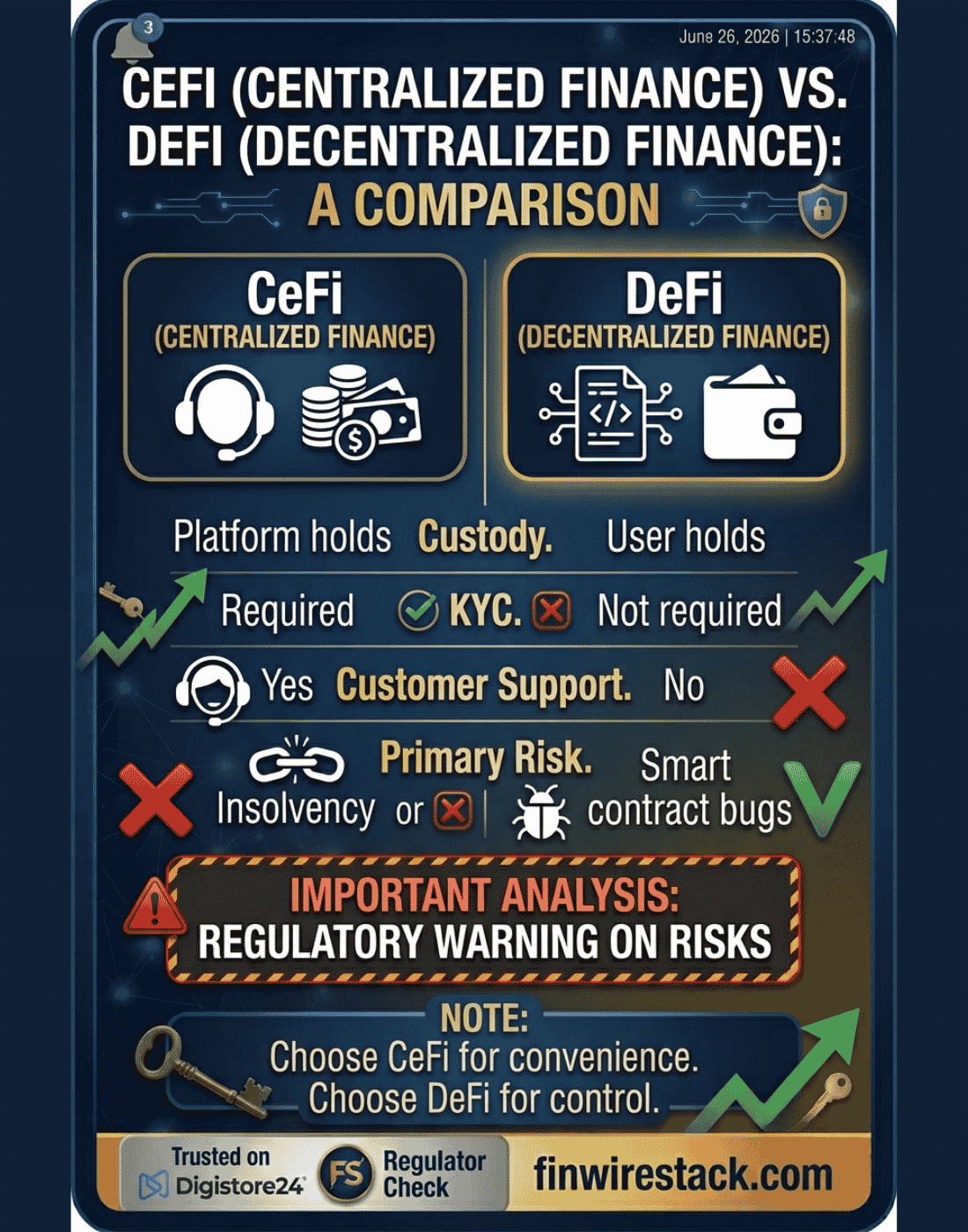
| CeFi (Centralized Finance) | The platform holds your assets and offers customer support and fiat integration |
| DeFi (Decentralized Finance) | Smart contracts manage the loan; you keep control of your assets |
CeFi vs. DeFi: Which Is Safer?
Why Borrow Against Crypto Instead of Selling?
There are two powerful reasons people choose to borrow against their crypto rather than sell it.
1. Tax Efficiency
Selling crypto is a taxable event in most countries. Capital gains taxes can be as high as 50%. Borrowing against your Bitcoin is not a taxable event. You access the cash you need and defer the tax bill to a later date—or avoid it entirely if you repay the loan.
2. Keeping Exposure
If you believe Bitcoin will continue to rise in value, borrowing is the smarter move. You keep your long-term position intact while accessing liquidity. You can even use borrowed funds to buy more crypto, amplifying your potential gains.
The “Hodler’s Dilemma”
Millions of wallets have held Bitcoin for five years or more. In fact, 26% of all Bitcoin has stayed untouched for at least seven years, up from 21% in 2024. For many of these holders, Bitcoin represents a primary source of wealth. Now they need money for a mortgage, a business, or college tuition. Crypto lending solves this problem.
A recent survey found that 88% of crypto holders would consider borrowing against their assets, but only 14% currently do. The gap is trust. People worry about price swings, liquidation risks, and regulation. This guide will help you navigate those concerns.
Top Crypto Lending Platforms in 2026 (CeFi)

These crypto lending platforms offer custodial services with customer support and fiat integration. They are ideal for users who want a fintech-like experience.
1. Nexo – Best for Flexibility & Integrated Ecosystem
Nexo launched in 2018 and has become one of the most established crypto lending platforms. It offers a revolving credit line—meaning you draw funds when you need them, repay at your own pace, and your credit limit automatically restores. This is similar to a home equity line of credit.
Key Features:
- Loan Structure: Revolving credit line with no fixed term or repayment schedule. Interest accrues daily only on the amount you’ve drawn.
- Interest Rates: Tiered based on your loyalty tier (holding NEXO tokens). Rates start from 1.9% APR for Platinum tier borrowers.
- Zero-Interest Credit: Borrow against BTC, ETH, SOL, or XRP at 0% interest and zero fees with a fixed term and no liquidation risk.
- Collateral: Accepts over 100 digital assets, including Bitcoin, Ethereum, stablecoins, and altcoins. LTV up to 90% for stablecoins, 50% for BTC/ETH.
- US Availability: Yes. Nexo relaunched in the US in February 2026 through a partnership with Bakkt.
- Spending: The Nexo Card lets you spend directly from your credit line anywhere Mastercard is accepted, earning up to 2% crypto cash back.
- Earning: Assets not used as collateral can earn interest up to 15% APR.
- Affiliate Program: Earn 10% of interest payouts, 0.2% of swap volume, and 1% of borrowed funds from referrals for 12 months.
Verdict: Nexo is the most versatile platform, ideal for users who want flexibility, a spending card, and the ability to earn yield on idle assets. It is a top choice for a revolving credit line.
2. Ledn—Best for Bitcoin-Only Security
Ledn has processed over $1 billion in loans in the first three quarters of 2025 and has never experienced a loan loss in its eight-year history. It focuses exclusively on Bitcoin and USDC lending.
Key Features:
- Loan Structure: Fixed-term loans with no monthly payments. You repay principal and interest at maturity.
- “Custodied Loans”: Your Bitcoin is held by qualified custodians and is not re-hypothecated (lent out to others). If Ledn goes under, your collateral should be safe from creditors.
- Interest Rates: Standard loans at 12.4% APR (10.4% interest + 2% admin fee). Custodied loans are 13-14% APR.
- LTV: Maximum 50%.
- US Availability: Yes (most states).
- Transparency: Bi-annual proof-of-reserve reports with unique hashed IDs so you can verify your balance is included.
- Milestone: In February 2026, Ledn closed a $188 million Bitcoin-backed ABS, the first Bitcoin-collateralized deal to earn an investment-grade rating (BBB-) from S&P Global.
Verdict: Ledn is the safest choice for Bitcoin purists who prioritize security and transparency over the lowest rates. It offers peace of mind that your collateral is not being lent out without your consent.
3. Nexo – Best for Flexible Revolving Credit
(Nexo is listed separately due to its unique revolving credit model, which is a significant differentiator from fixed-term loan providers like Ledn.)
4. CoinRabbit – Best for Speed & No-KYC Loans
CoinRabbit offers crypto loans without KYC (Know Your Customer verification). You send collateral to a generated address and receive stablecoins within minutes.
Key Features:
- Loan Structure: Instant loans with fixed APRs.
- Interest Rates: 14-17% APR, reflecting the platform’s risk profile.
- LTV: Up to 90%, which is aggressive and carries higher liquidation risk.
- US Availability: No. Accessing the platform from the US violates its terms of service.
- Security: Four-step monitoring process for security.
Verdict: CoinRabbit is ideal for users who prioritize speed and privacy over cost. However, its high rates and US restrictions make it unsuitable for many readers.
5. Binance Loans – Best for Exchange Integration (Non-US)
Binance Loans offers deep liquidity and variable interest rates, supporting over 100 assets as collateral.
Key Features:
- Integration: If you are already a Binance user, the loan process is seamless.
- US Availability: No. Binance.US does not offer crypto loans. US residents cannot legally access the global lending platform.
- Flexibility: Flexible loan terms and competitive rates.
Verdict: This is a good option for international traders, but irrelevant for US-based readers.
Top DeFi Lending Platforms (No Custody)
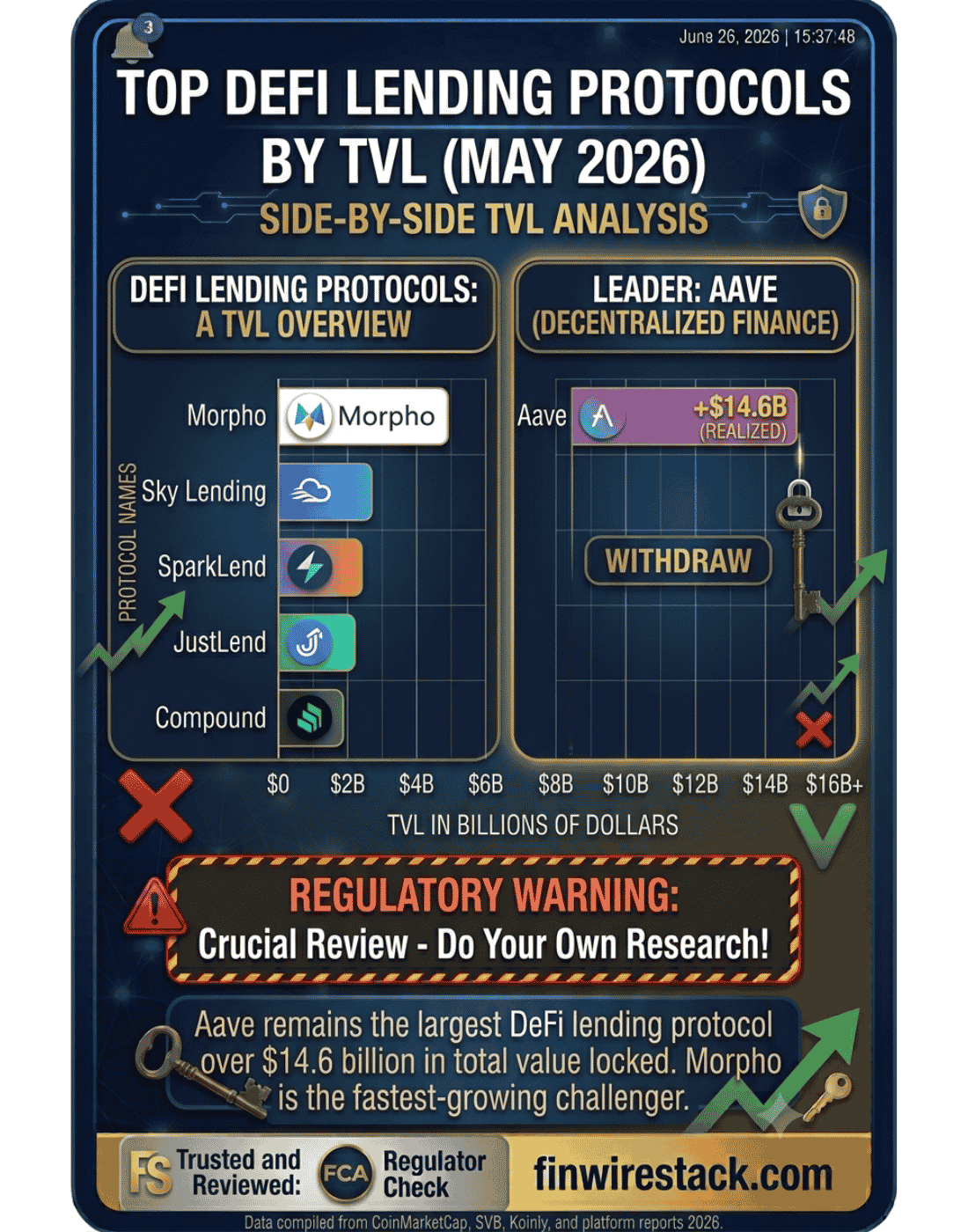
DeFi lending platforms run on smart contracts. You keep control of your assets, but there is no customer support. The rules are automated and transparent.
1. Aave v3—Overall Best DeFi Lending Protocol
Aave is the largest and most trusted DeFi crypto lending protocol, launched in 2020. It has survived multiple extreme market cycles without protocol-level insolvency.
Key Features:
- Blockchains: Supports 21 blockchains, including Ethereum, Base, Arbitrum, and Polygon.
- TVL: $14.6 billion.
- Collateral: Wide range of assets with conservative risk management.
- LTV: 75-82% depending on asset.
- US Availability: Accessible via middleware.
Verdict: Aave is the gold standard for DeFi crypto lending. It is ideal for users comfortable with smart contracts and seeking the widest range of assets and liquidity.
2. Morpho – Best for Rate Optimization
Morpho has grown rapidly since 2022, initially as an optimization layer on top of Aave and Compound. It now offers fully customizable lending vaults through Morpho Blue.
Key Features:
- Blockchains: Supports 35 chains, including Ethereum, Base, and Arbitrum.
- TVL: $7.4 billion.
- Flexibility: Create isolated lending markets with custom risk parameters.
- US Availability: Yes (via Coinbase).
Verdict: Morpho is ideal for advanced users who want tailored lending strategies and better rates than standard protocols.
3. Compound v3 – Best for Institutional Simplicity
Compound is one of the original DeFi lending protocols and helped popularize on-chain money markets during the 2020 “DeFi Summer.”
Key Features:
- Blockchains: Supports 10 chains.
- TVL: $1.3 billion.
- Design: Known for its simple, battle-tested smart contracts.
- US Availability: Yes.
Verdict: Compound is a conservative choice for long-term DeFi users who prioritize trust and simplicity over the latest features.
4. Jupiter Lend – Best for Solana Users
Jupiter Lend is part of the wider Jupiter ecosystem on Solana, which has evolved into one of the largest DeFi super apps.
Key Features:
- Blockchains: Solana.
- TVL: $1.2 billion.
- Integration: Offers swaps, perpetual trading, and crypto lending under one interface.
Verdict: An excellent choice for active Solana users who want integrated DeFi services.
How to Choose the Right Platform for You
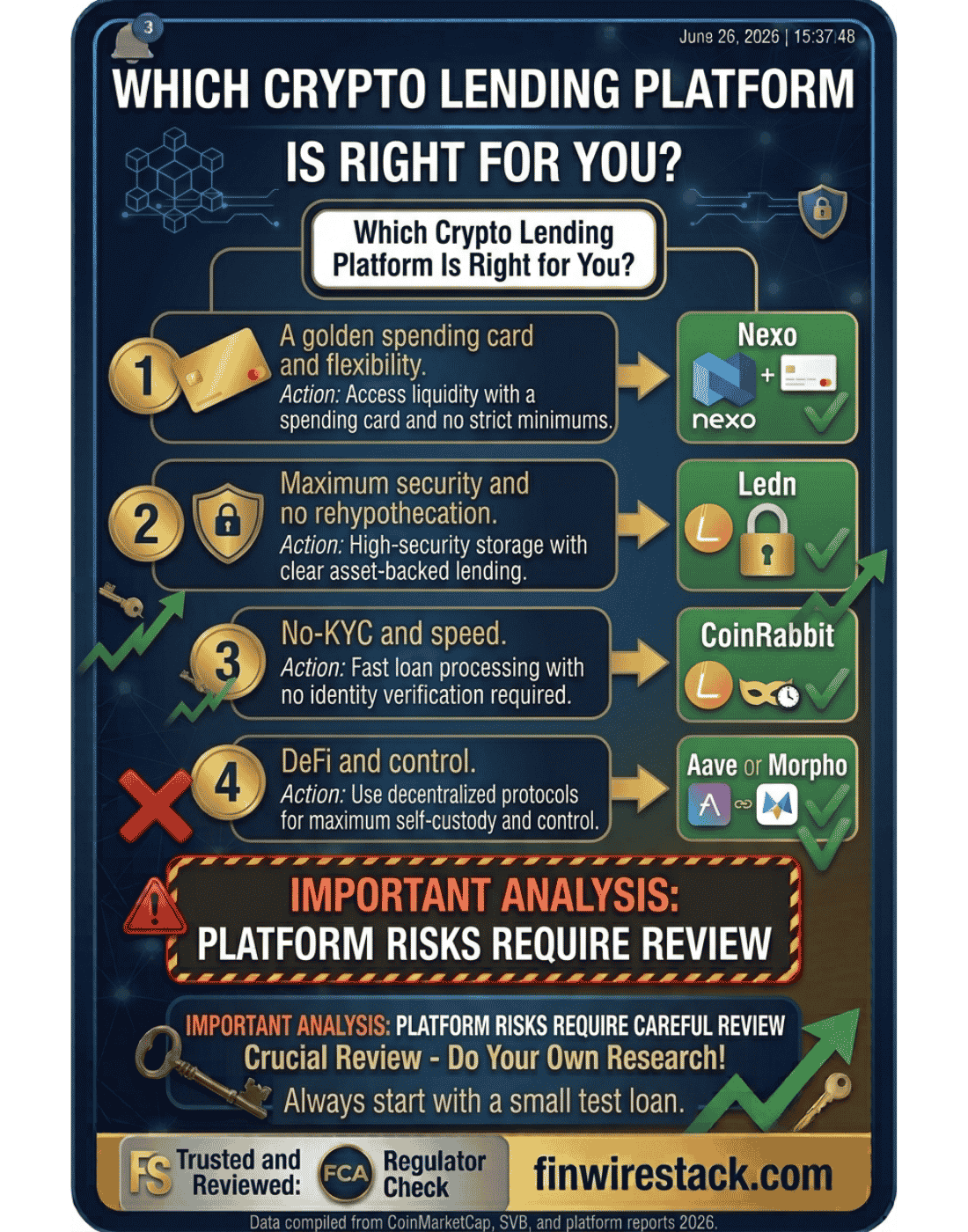
Table 2: Decision Matrix for Crypto Lending Platforms
Your Decision Framework:
- Define Your Goal. Are you borrowing for a short-term need or a long-term investment? Do you want to earn yield on idle assets?
- Assess Your Risk Tolerance. Are you comfortable with CeFi custody risks or DeFi smart contract risks?
- Check Your Location. If you are in the US, your options are limited to platforms like Nexo and Ledn.
- Compare Costs. Consider interest rates, fees, and LTV ratios.
- Test a Small Amount. Borrow a small amount first to test the platform’s user experience and withdrawal process.
Affiliate Opportunity: Promote Nexo
Nexo offers an attractive affiliate program that is perfect for you.
What you can earn:
| Commission Type | Rate |
|---|---|
| Interest earned by referrals | 10% for 12 months |
| Swap volume | 0.2% for 12 months |
| Funds borrowed via Credit Line | 1% for 12 months |
| Zero-Interest Credit borrows | Up to 4% (depending on loan length) |
| Futures trading fees | 20% |
| New user bonus | $20 after 3 Nexo Card purchases |
How to start:
- Join the Nexo Affiliate Program (Fill out the application form).
- Write a thorough review of Nexo (like this article) for your audience.
- Share your unique affiliate link.
- Earn commissions for 12 months on your referrals’ activity.
FAQ: Crypto Lending Questions Answered
How much interest can I earn by lending my crypto?
On platforms like Nexo, you can earn up to 15% APR on your deposits, depending on the asset, your loyalty tier, and whether you choose flexible or fixed-term savings.
How much does it cost to borrow against crypto?
Rates vary widely. Nexo’s rates start from 1.9% APR for Platinum tier borrowers. Crypto lending loans start at 12.4% APR. CoinRabbit charges 14-17% APR.
Is crypto lending safe in 2026?
It is significantly safer than in 2022. Today’s best platforms prioritize transparency, third-party audits, and proof-of-reserves. Ledn has never lost a penny of collateral in eight years. However, risks still exist—never borrow more than you can afford to lose.
What is the difference between a CeFi and a DeFi loan?
CeFi loans are managed by a company that holds your collateral. DeFi loans are managed by smart contracts, where you retain control. CeFi offers customer support and fiat integration; DeFi offers more transparency and control.
How do I avoid liquidation on a crypto-backed loan?
Maintain a conservative LTV ratio. Monitor your loan dashboard regularly. Crypto lending platforms like Ledn offer “Auto Top-Up” to add more collateral automatically if your LTV rises. The 24-hour “cool-off” rule can also help you make rational decisions before adding more funds.
Can I use my crypto loan to buy more crypto?
Yes. Some borrowers use this strategy to amplify their exposure, but it significantly increases their risk.
Does Nexo accept US customers?
Yes. Nexo relaunched in the US in February 2026 through a partnership with Bakkt under a regulated framework.
How can I report a crypto lending scam?
If you believe you are dealing with a scam, stop sending money immediately. Report the platform to the FBI IC3 and the FTC.
Final Verdict: Unlock the Value of Your Crypto
Crypto lending in 2026 is no longer a risky experiment. It is a mature, regulated, and transparent financial service that offers real value to investors.
The market is maturing:
- The market grew 18.8% to $12.69 billion in 2026.
- Total crypto-backed loans hit $73.59 billion in Q3 2025.
- The first investment-grade Bitcoin ABS was issued in 2026.
- 88% of crypto holders are open to borrowing against their assets.
The Bottom Line:
If you hold significant crypto and need liquidity, you have reliable options. Choose Nexo for its unparalleled flexibility, integrated spending card, and 0% interest option. Choose Ledn for its ironclad security, proof-of-reserves, and commitment to never rehypothecating your Bitcoin.
Ready to unlock the value of your crypto? Get started with Nexo today → and access liquidity without selling your assets.
You can also learn how to read a crypto whitepaper here.
Sources & Last Updated
This Crypto Lending Platforms 2026 guide was fact-checked on June 27, 2026, using:
- CoinMarketCap: Best Crypto Lending Platforms in 2026
- Koinly: 10 Best DeFi Crypto Lending Platforms (2026 Guide)
- Silicon Valley Bank: The Bitcoin-Backed Lending Renaissance
- Research and Markets: Crypto Lending Platform Market Report 2026
- The Defiant: crypto lending Loans Explained, and Why They Matter in 2026
- Bitcoin Magazine: Bitcoin-Backed Loans Could Hit $1 Trillion
- Nexo: Official Affiliate Program Details
Found this guide helpful? Share it with someone holding crypto who needs liquidity without selling.
Disclaimer: I may earn a commission if you sign up through links in this post. This does not affect my recommendations. Cryptocurrency is volatile. Lending involves risk, including the potential loss of collateral. Never borrow more than you can afford to lose. Always verify a platform’s regulatory status and security practices before depositing funds.